
Fans demand the return of classic PlayStation 2 franchises after decades of neglect by developers


The video game industry witnessed the creation of several iconic mascots during the early 2000s, a period marked by the technological transition away from desktop consoles. The PlayStation 2 platform served as the birthplace of intellectual properties that defined the three-dimensional platform and adventure genre.
Despite their commercial and critical success at the time of their release, many of these franchises are currently at a standstill. The original developers redirected their resources to cinematic projects, leaving a void in the catalog of games aimed at exploring fantastic worlds and precise jumping mechanics.
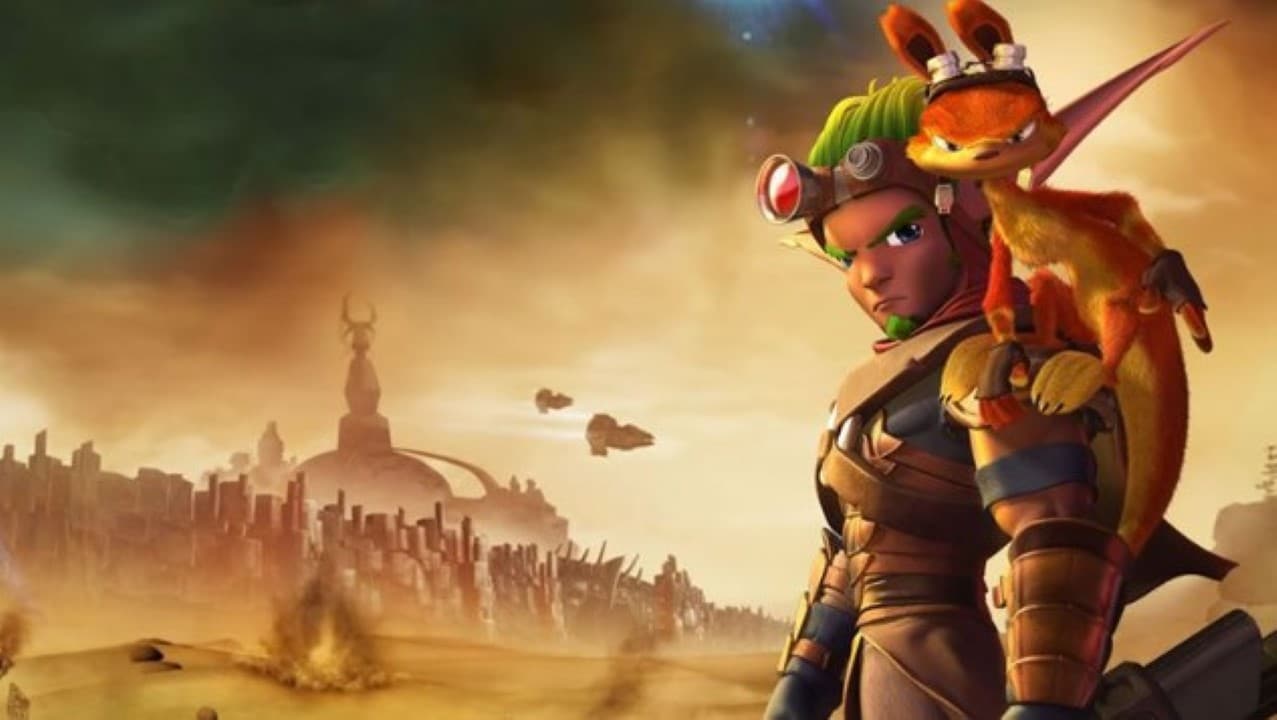
Currently, a significant portion of the consumer base is pressuring publishers for a historic rescue. The debate about digital preservation and the reintroduction of these brands into the market gains traction in specialized forums, highlighting a repressed demand for more direct gaming experiences focused on pure mechanical entertainment.
Rise and fall of intellectual properties
The electronic games market underwent a profound transformation at the turn of the high definition era. Studios began to prioritize complex narratives and photorealistic graphics, which changed the profile of big-budget releases. Essa change in the marketing paradigm resulted in the shelving of series that depended on a cartoonish visual appeal and lighter scripts.
The transition did not occur abruptly, but rather as a response to the new demands of an audience that was aging along with the media. Publicly traded companies needed to justify rising development costs with products that guaranteed a massive and immediate financial return. Nesse scenario, platform games, which previously dominated the bestseller lists, lost space to first-person shooters and action adventures with mature themes. The relocation of development teams sealed the fate of several characters that once graced the covers of specialized magazines.
Industry experts point out determining factors for this change in focus by large publishers:
– Mudança in the demographic profile of table console consumers.
– Aumento significant production costs for open world games.
– Preferência of publishers for franchises with potential for continuous monetization.
Jak and Daxter and the evolution of the open world
Developed by Naughty Dog, the franchise introduced open world exploration without loading screens, an impressive technical feat for the hardware of the time. The duo of protagonists offered a gameplay dynamic that mixed precise jumps, collecting resources and solving environmental puzzles.
Over the years, the series adopted darker tones and incorporated combat with vehicles and firearms. However, the intellectual property has not received a new mainline title since the end of the PlayStation 2’s life cycle, with only remastered collections remaining.
Sly Cooper and stealth mechanics
Sucker Punch Productions innovated by combining cel-shaded graphics with stealth mechanics and a narrative inspired by heist films. The robber raccoon and his team presented missions that required planning, use of technological devices and silent navigation through the scenarios.
Switching between gang characters provided a variety of play styles within the same campaign. Apesar of an attempted return on the PlayStation 3 by a third-party studio, the franchise remains without new developments on the current generation of hardware.
The contrast with the continued success of Ratchet & Clank
While many mascots are in the past, Insomniac Games has managed to maintain the relevance of Ratchet & Clank across multiple console generations. The formula based on a creative arsenal and interplanetary travel has proven to be highly adaptable to new technologies.
The consistent release schedule and ability to utilize the processing power of new machines has allowed the duo to maintain a strong presence in the market. The latest title in the series utilized solid-state storage to create instantaneous transitions between dimensions.
Market analysts highlight that the survival of this specific intellectual property demonstrates the commercial viability of the genre. The continued success indicates that the public still consumes platform and action games, as long as the production values keep up with contemporary industry standards.
Community movements for digital preservation
Online forums and social media campaigns frequently organize petitions demanding the return of these classic universes. Players use these platforms to demonstrate to companies that there is a consumer audience willing to invest financially in new releases.
Independent developers, often inspired by these classics, create spiritual successors to fill the gap left by the inaction of major studios. Esses independent projects tend to be successful in crowdfunding campaigns, validating the market’s interest.
Making older titles available on digital subscription services helps maintain a basic level of accessibility for new players. Essa catalog strategy allows younger generations to learn about the origins of the developers who today produce the platform’s biggest hits.
However, enthusiasts argue that simply emulating old software is insufficient to revitalize brands. The community demands real investments in remakes built from scratch or sequels that respect the original chronology.
Commercial viability of remakes in the current scenario
The video game industry leans heavily on nostalgia, with recreations of classic titles often topping global sales reports. Reconstruir These early 2000s platformers with modern graphics engines have the potential to appeal to both veteran gamers and a younger audience accustomed to high visual fidelity and stable frame rates. Visual modernization acts as a bridge between classic design and current consumer expectations.
Publishers rigorously evaluate the risk/reward ratio before approving such projects. Developing a high-quality remake requires a substantial financial investment, comparable to that of a new intellectual property. Executives need assurances based on market data that nostalgic appeal will translate into real software sales, overcoming the superficial engagement generated on social media during ads.
Adaptation of controls and interface design
Bringing older games to contemporary platforms requires much more than a simple image resolution upgrade; demands a complete redesign of user interfaces and control schemes. The three-dimensional camera systems and movement physics of early 3D games often feel imprecise and frustrating by today’s usability standards. Developers tasked with modernization must strike a delicate balance between preserving the original gameplay feel that fans value and implementing modern quality of life improvements. Esse technical process involves refining collision boxes, adjusting command latency, and redesigning menus to meet the expectations of a player base accustomed to fluid, intuitive, frictionless entertainment experiences.
The role of the original studios in the revival
The original creators of these franchises have moved almost entirely into developing big-budget cinematic action games. Essa change of focus transfers the responsibility for possible returns to studios specializing in conversions or to new development teams formed specifically to manage the legacy of these intellectual properties.



