The passion for retro culture and the desire to revive classics drove a group of independent developers to create an ambitious remake of the controversial game “Friday the 13th”, originally released for the Nintendo Entertainment System (NES) in 1989. The initiative highlights the vitality of the homebrew scene and the ability of enthusiasts to breathe new life into forgotten games or games that did not have their potential fully explored in their initial versions, highlighting the growing demand for reinterpretations of iconic titles.
The original NES game, known for its unrelenting difficulty and somewhat confusing mechanics, divided opinion at the time of its release, but has achieved a cult status over the years. Sua’s premise of survival against Jason Voorhees, while trying to protect campers and find items, remains a landmark in the history of horror games, despite its technical and design flaws.
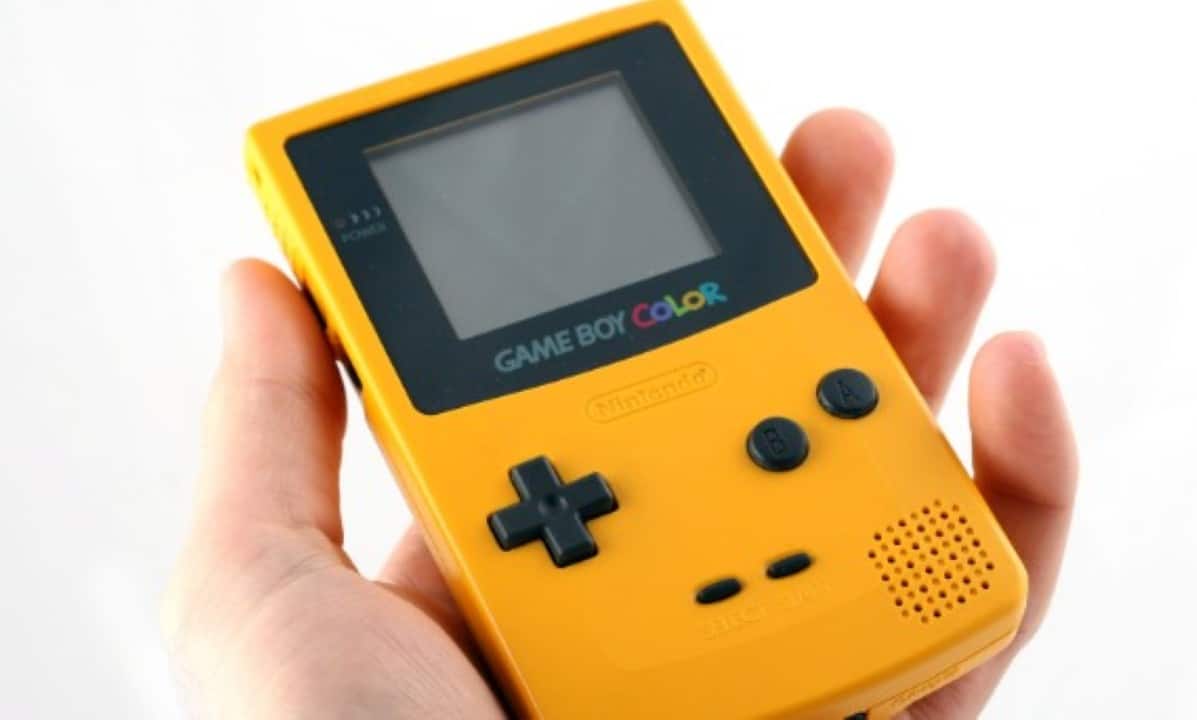
Now, players can revisit Lago Crystal and face the feared masked killer on a portable platform that, despite its technical limitations, is celebrated for its vast library of titles and iconic design. The remake for Game Boy Color promises a more accessible and visually enhanced experience, maintaining the challenging spirit that characterized the original version.
The origin of the classic and its peculiarities
Released by LJN in 1989, “Friday the 13th” for the NES quickly became a polarizing title. Embora was one of the few horror games available for the platform at the time, its non-linear gameplay, extreme difficulty, and often frustrating interface generated both harsh reviews and a dedicated fanbase that appreciated its unique atmosphere and brutal challenge. Players take on the role of one of six camp counselors, each with different abilities, in a race against time to defeat Jason Voorhees before he massacres all the campers. The need to constantly switch between the side view and the first-person view inside the huts, coupled with the constant threat of Jason and other enemies such as zombies and crows, contributed to a tense and memorable gameplay experience, although often chaotic.
Rebuild details for Game Boy Color
The team behind the remake undertook painstaking work to transpose the essence of the NES’s “Friday the 13th” to the capabilities of the Game Boy Color. Isso included pixel-by-pixel graphics reconstruction, adapting the handheld’s limited color palette to recreate the dark environments of Lago Crystal. Além of the visuals, soundtrack and sound effects have been reimagined for the GBC hardware, seeking to evoke the same sense of suspense and desperation as the original, but with improved sonic fidelity that takes advantage of the capabilities of the handheld’s audio chip.
One of the main focuses of the remake was to refine the gameplay without compromising the characteristic level of difficulty. Melhorias in the user interface, adjustments to the enemies’ artificial intelligence and more fluid navigation through the scenarios are some of the improvements that aim to make the experience more enjoyable for modern players, without removing the element of challenge that is an integral part of the title’s charm. Accessibility was a crucial point, seeking to attract both NES veterans and new retro horror enthusiasts.
The challenge of adapting retro icons
Porting a game from an 8-bit home console to an 8-bit handheld such as the Game Boy Color presents significant technical challenges. Embora both operate on similar hardware architectures, GBC’s screen, memory and processing constraints require optimization and creativity on the part of developers. Cada sprite, every animation, and every line of code needs to be carefully tuned to ensure the game runs smoothly and authentically on the target platform.
The fan team had to balance nostalgia with modernization, deciding which elements to keep untouched and which could be improved. Visual and sonic fidelity to the source material was a priority, while exploring the potential of Game Boy Color to deliver an experience that, in some ways, technically surpassed the NES version, especially in terms of a richer color palette and more defined sound. The result is a tribute that respects the past but looks to the future of game preservation.
The strength of the fan community and homebrew
Projects like the “Friday the 13th” remake for Game Boy Color are a testament to the passion and skill of the gaming fan community. The “homebrew” movement, which involves creating games and applications for older or unofficially supported platforms, has grown exponentially, driven by more accessible development tools and the internet, which facilitates collaboration and distribution. Esses projects not only celebrate the history of video games, but also fill in gaps left by original developers or companies that no longer have an interest in revisiting old titles.
The motivation behind such ventures goes beyond profit; it’s a combination of a love of art, a desire to build on past experiences, and the opportunity to learn and apply programming and design skills. Muitos of these developers are self-taught developers who dedicate hundreds of hours of their free time to realizing their visions, contributing significantly to video game culture and digital preservation.
These remakes and homebrew projects often serve as a form of curation, keeping games relevant to new generations of gamers who may never have had the opportunity to experience the originals on their native hardware. Eles also demonstrate the power of collective creativity and the video game community’s ability to self-organize to create high-quality content.
Legacy and impact of “Friday the 13th” on gaming
The NES game “Friday the 13th”, despite its flaws, left an undeniable legacy in the horror genre in video games. Ele was one of the first to attempt to adapt a slasher horror film franchise into an interactive format, setting precedents for future titles that would explore themes of survival and suspense. The constant sense of danger and unpredictability of Jason’s attacks created an atmosphere of tension that many later games would attempt to replicate, contributing to the evolution of horror game design.
Its reputation for being a “bad but fun” or “so bad it’s good” game has solidified its place in video game pop culture, making it a frequent topic in discussions about cult classics and infamous games. The memory of his peculiarities and the frustration he could generate are part of his charm and why so many fans still remember him fondly and are now interested in seeing him revisited.
The influence of the “Friday the 13th” franchise extends beyond the films and the original NES game, with several attempts at adaptations for other platforms and media. The remake for Game Boy Color is further proof of the lasting relevance of the saga and its iconic villain, Jason Voorhees, in the collective imagination of horror and video game fans.
The permanence of horror in the world of games
The release of this remake reinforces the idea that the horror genre in video games has a solid fan base and timeless appeal. The ability to immerse players in frightening and challenging narratives continues to be a driver for creating new titles and revisiting classics.