
German government regulates fuel prices with restrictions on single adjustments per day


The Bundestag approved this Thursday an initial package of measures to contain the sharp increase in fuel prices in the Alemanha. The main rule determines that gas stations can only raise prices once a day, always at noon local time. Reduções of price remain permitted at any time. The initiative responds to the impact of the war involving the Irã and the counterattacks in the Golfo region, which raised oil costs and put pressure on prices at the pump.
The coalition formed by CDU/CSU, SPD and Verdes voted in favor of the project. The Partido of the Esquerda and the AfD took a stance against it. Violations of the new standard may result in fines of up to 100 thousand euros. The legislation also strengthens antitrust rules to increase transparency in price formation.
Measures aim for greater transparency in the fuel sector
The approved package includes strengthening antitrust legislation. Isso obliges companies in the oil sector to justify significant increases based on objective criteria. Escritório Federal of Cartéis gains powers to review and, if necessary, suspend wholesale adjustments in a more agile manner.
Furthermore, in situations of sharp increases, the burden of proof is reversed. Companies need to demonstrate that adjustments are justified by real costs and not by speculative practices. Essa change seeks to curb excessive fluctuations observed in recent days.
- Stations can only raise prices once at noon
- Reductions remain available at any time
- Fines reach 100 thousand euros for non-compliance
- Cartel inspection is expanded to wholesale
The measure follows a similar model already adopted in other European countries and aims to bring more predictability to drivers who face high costs on a daily basis.
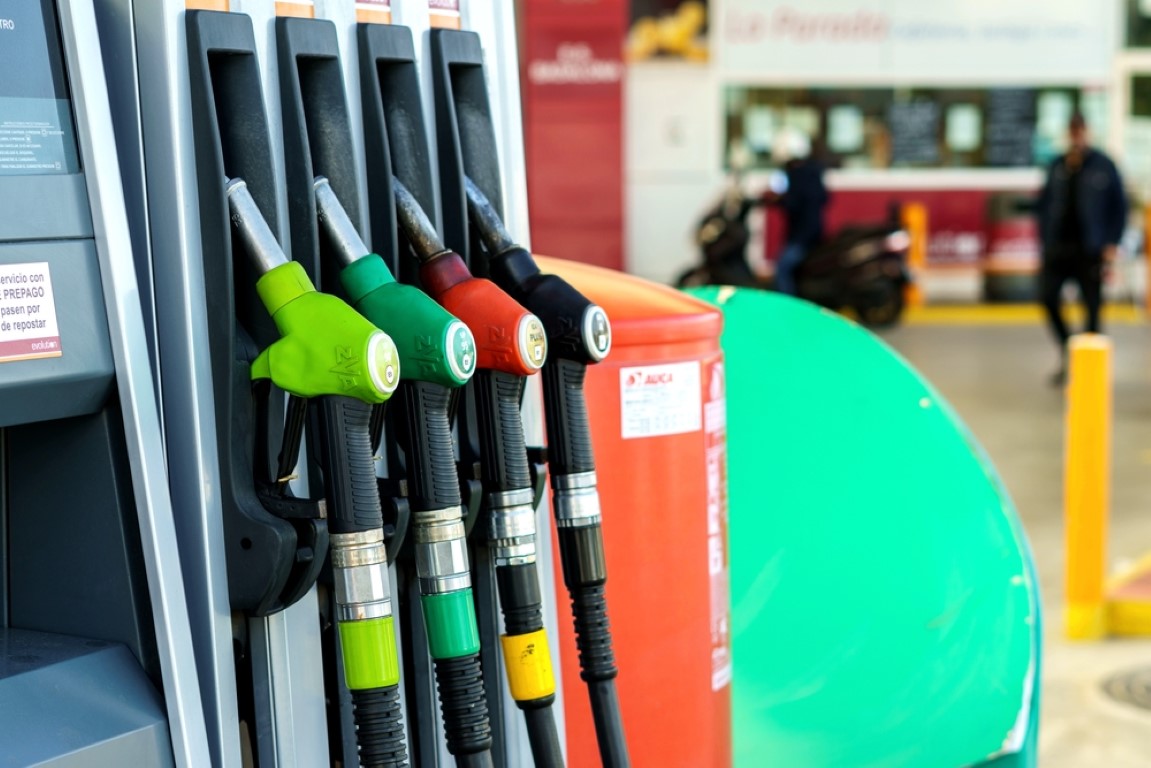
Context of the price rise after conflicts in Oriente Médio
Since the end of February, with the start of attacks against Irã and Iranian counterattacks, gasoline and diesel prices in Alemanha have frequently exceeded the two-euro-per-liter mark. The country recorded more intense increases than the European average during this period. Economistas adjusted inflation projections upward for this year, approaching three percent.
The shock in fuel costs directly affects road transport, freight freight and family budgets. Postos in different regions of the country showed frequent variations throughout the same day before the new rule.
Details of the legislative package and next steps
The federal cabinet had already given the green light to the package in mid-March. The law is expected to come into force at the beginning of April, depending on the final procedures. The measures will have a limited duration and will be reevaluated after one year of application.
Other proposals still under discussion in the coalition include reducing tolls for trucks and expanding subsidies for public transport users. Há also the possibility of cutting the VAT rate at gas stations and even creating a tax on extraordinary profits for energy companies.
Opposition criticism of the approved package
The AfD, the largest opposition party, classified the actions as symbolism that does not substantially change the situation of drivers. Já the Verdes pointed out that the minister of Economia, Katherina Reiche, should prioritize measures that reduce dependence on fossil fuels instead of just regulating prices.
Partido of Esquerda defended the creation of a single payment of 150 euros for the entire population as a form of immediate relief during the energy crisis. The discussion about additional measures continues within the government coalition.
Operating rules for gas stations
The new regulations establish a fixed time for any price increase at gas stations. Essa operational restriction aims to reduce the practice of multiple daily readjustments that created uncertainty for consumers. Companies in the sector need to quickly adapt to new limits.
The temporary law seeks to balance the need for price stability with maintaining competition in the fuel market. Reduções continue to be encouraged so that more competitive stations can attract customers throughout the day.
German drivers are closely following the implementation of the measure. The approved text represents parliament’s initial response to the impact of international conflicts on the internal energy market.



