
Google prepares launch of Pixel 10a in Japan for April with new design and Tensor G4 chip

The North American technology giant has defined the official schedule for the arrival of its latest mid-range smartphone to the Asian market. The new mobile device from the company’s affordable line is expected to hit Japanese shelves during the month of April, marking another step in the brand’s consolidation in the international mobile phone segment. The commercial strategy involves the start of advance sales in the Estados Unidos at the beginning of March, creating a window of expectation before global distribution to other strategic regions.
The device arrives with the mission of replacing the previous generation, maintaining the philosophy of offering a fluid user experience without the costs associated with high-end models. Especialistas from the telecommunications sector note that the manufacturer opted for a conservative approach in terms of radical aesthetic innovations, preferring to refine technical features already approved by consumers. The Japanese market, known for its high demands regarding the construction quality and durability of electronics, serves as a vital barometer for product acceptance on a global scale.
The supply chain and distribution logistics have been adjusted to ensure that the volume of devices meets the initial demand projected by local operators. The introduction of this equipment occurs at a time of intense movement in the technology sector, where manufacturers seek to balance production costs with the delivery of high-performance components. The integration of proprietary hardware with a clean operating system remains the line’s main selling point.
Marketing strategy and financial positioning in Asian retail
The distribution calendar indicates that Japanese consumers will have access to the device in mid-April. The logistical movement indicates that reservations can be made a few days in advance in the country’s main electronics retail chains, allowing brand enthusiasts to secure their units before the official opening of sales in physical stores.
The suggested sales value reflects the intention to maintain competitiveness against Asian rivals that dominate the intermediate price range. The price tag should be around four hundred and ninety-nine dollars on the international market, which translates into approximately eighty thousand yen in Japanese currency, depending on exchange rate fluctuations and import tax policies in force during the launch period.
This financial positioning places the equipment in a fiercely competitive zone, where users demand high durability and consistent performance in daily tasks. The company is committed to customer loyalty through an integrated ecosystem, offering a smooth transition for those looking to update their old equipment without severely compromising their personal budget.
Visual changes and abandonment of the traditional camera bar
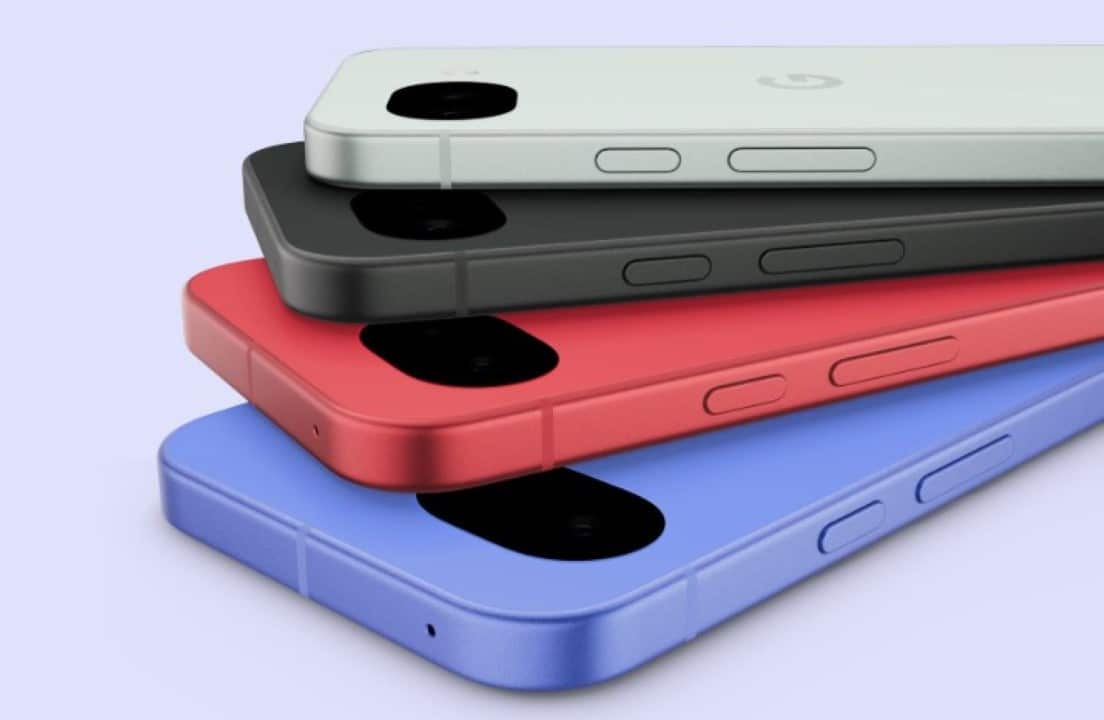
The most notable aesthetic change in this generation resides in the rear part of the smartphone’s chassis. The manufacturer decided to remove the iconic horizontal lens bar that has characterized the family of devices in recent years, adopting a completely flat panel. Esta structural modification results in a more minimalist look and in line with current industrial design trends adopted by other companies in the sector.
The photo module now integrates discreetly into the surface, preventing the phone from shaking when placed on tables or flat surfaces, a frequent complaint among users of previous versions. In terms of materials, the construction combines a reinforced aluminum frame with a high-density plastic back panel, ensuring structural strength without adding excessive weight to the work as a whole.
The matte finish was specifically chosen to minimize fingerprint marks and provide a more secure grip during daily handling, reducing the risk of accidental drops. The total weight of the equipment was set at one hundred and eighty-three grams, ensuring comfort during long voice calls or prolonged media consumption sessions. Color options made available to the public include classic and modern shades, commercially named as obsidian, porcelain, hazelnut and aloe.
Display performance and power capacity advancements
The front panel displays a six point three inch OLED technology screen, offering vibrant colors, absolute blacks and deep contrasts for playing videos and photographs. The display refresh rate reaches one hundred and twenty hertz, providing extremely smooth image transitions when navigating system menus and scrolling web pages.
The brightness of the screen received a substantial increase in this new version, reaching peaks of three thousand nits in outdoor environments under direct sunlight, which makes it easier to read maps and messages on the street. Protection against scratches and accidental impacts is provided by Gorilla Glass 7i tempered glass, specifically developed to increase the structural resistance of the front panel against the rigors of daily urban use.



In the autonomy department, the energy storage component has a capacity of five thousand and one hundred milliampere-hours, a considerable volume for the category. Esta technical specification ensures that the average user can get through a full day of intense use, switching between social networks, GPS navigation and audio playback, without the need to use sockets or portable chargers during work hours.
The charging speed has also undergone significant updates compared to the previous generation, changing the dynamics of use of the device. Wired charging support has jumped to forty-five watts, enabling quick top-ups in short bursts of time, while wireless magnetic induction power transfer now operates at ten watts, optimizing user standby time at desktop charging stations.
Advanced processing with software resource segmentation
The smartphone’s processing core is powered by the Tensor G4 chip, the same high-performance silicon used in the brand’s most expensive models. Esta engineering decision ensures that the device has plenty of power to run complex applications, perform multitasking without hiccups and run games with moderate to high graphical demands with stable frames per second.
The random access memory has been set at eight gigabytes, working in perfect sync with the non-expandable internal storage options of one hundred and twenty-eight or two hundred and fifty-six gigabytes. The factory-installed operating system is Android 16, which features deep code optimizations to improve the overall fluidity of the interface and intelligent management of application resources running in the background.
Despite sharing the same processor as the main line, the manufacturer implemented software restrictions on certain advanced processing features. Ferramentas generative image editing complexes and real-time natural language processing remain exclusive to premium models, creating a clear segmentation in the product portfolio and justifying the price difference between categories.
The long-term technical support policy continues to be one of the brand’s biggest attractions in the electronics market. The company guarantees the provision of seven years of full operating system updates and monthly security packages, considerably extending the useful life of the equipment and protecting the consumer’s investment against emerging digital vulnerabilities.
Photographic setup and equipment durability
The image capture system has been resized to meet the demands of casual photography, daily documentation and social media content creation. The main sensor located on the back has a resolution of forty-eight megapixels, accompanied by a thirteen-megapixel ultra-angle lens, ideal for recording wide landscapes and group photos in confined spaces.
The front camera, dedicated to high-definition video calls and self-portraits, also has an updated thirteen-megapixel sensor. Computational image processing works silently behind the scenes to correct exposure levels, adjust white balance and improve sharpness immediately after the shutter is released, delivering files ready for sharing without the need for manual editing.
The IP68 certification ensures rigorous protection against the ingress of fine dust and allows the device to be accidentally submerged in fresh water for specified periods, adding an essential layer of peace of mind for use in outdoor environments subject to inclement weather. Esta industrial sealing feature, combined with the robust construction of the chassis, reinforces the proposal to deliver a resistant and reliable device for the modern consumer.
Veja Tambem em News (EN)

Research reveals that parents are unaware of how their children use artificial intelligence

Samsung releases new system update with new features for Galaxy Watch 4 users

Digital retail reduces the value of the Galaxy S25 5G smartphone with bank bonuses and device exchange

Amazon’s wireless CarPlay adapter has a 50% discount and high approval ratings from drivers

Zach Cregger’s new Resident Evil ignores games and focuses on an unprecedented story with new characters

Rumor suggests that Nintendo is preparing a special edition of the Switch 2 with a remake of Ocarina of Time

Apple accelerates production of the iPhone 17e and develops new Air model with dual camera system

Epic Games platform releases twelve high-budget games at no permanent cost for PC users

PlayStation 5 Pro price drop accelerates digital retail sales and eliminates global stocks

New Galaxy Watch 9 firmware appears on server and confirms progress in software development

Apple’s commemorative project tests cell phone with 1.1 millimeter edge and curved screen for 2027
