
Lula reflects on expenses for pets in Brazil and contrasts the scenario with habits in China


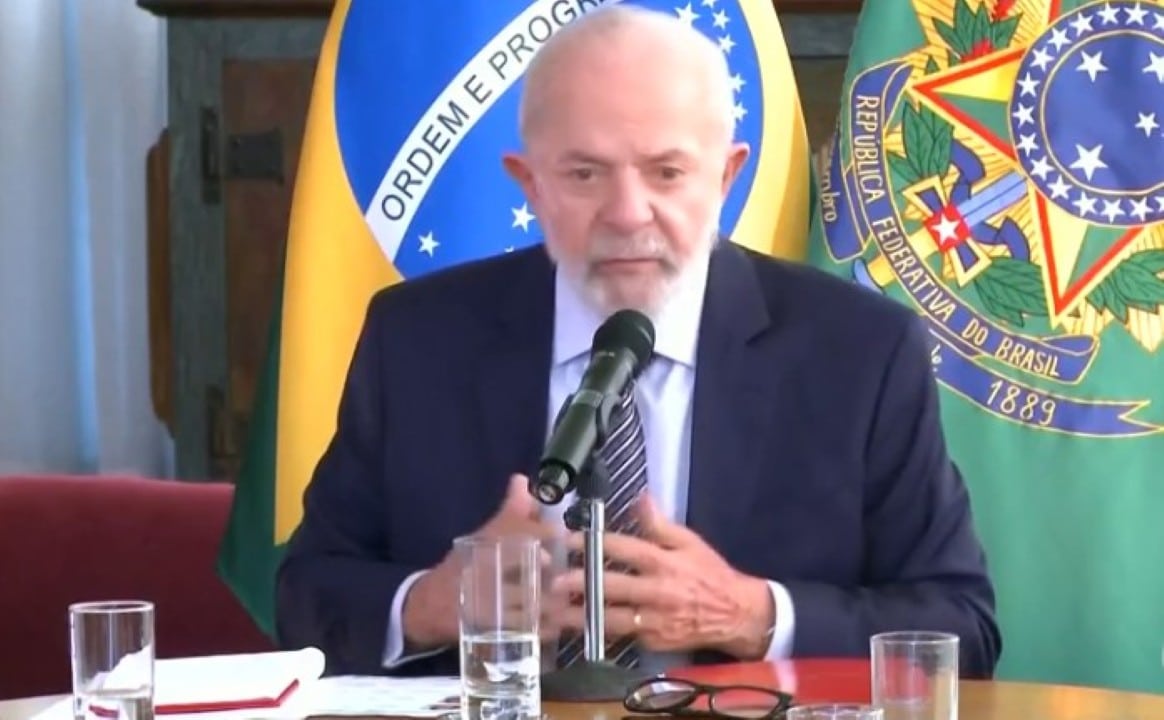
President Luiz Inácio Lula of Silva (PT) recently highlighted the growing volume of Brazilian spending on domestic animals, such as dogs and cats, during an event in Anápolis, Goiás. The statement was made in a context of discussions about the economic impacts on the population, including as a result of global conflicts, such as Guerra in Oriente Médio.
Addressing Zhu Huarong, a representative of a Chinese factory, the president made a unique cultural comparison. Ele observed that, while in Brasil the passion for pets translates into considerable expenses, in China the situation could be different, at least in the immediate perception of the Brazilian leader.
The statement took place at the reopening of the manufacturing plant of the vehicle manufacturer Caoa. Lula made the observation with a light tone, but pointing to an economic reality increasingly present in the lives of Brazilian families, where pets occupy a prominent place and, consequently, a slice of the budget.
The growth of the pet sector and its economic impacts
Brasil witnesses notable growth in the pet segment, consolidating itself as one of the largest pet markets in the world. The “humanization” of animals, which have come to be seen as members of the family, has driven demand for high-quality products and services, from premium food to specialized veterinary care and luxury items.
This change in behavior is not only a cultural phenomenon, but also an economic driver. The pet sector generates thousands of jobs and generates billions of reais annually, covering food, medicine, hygiene, accessories and services such as daycare centers, hotels and health plans for animals, demonstrating its relevance to the national economy.
The complexity of family spending on animals
Expenses for pets, as pointed out by the president, go far beyond simple food. Lula shared personal experiences, such as having had a Dalmatian who gave birth to 11 puppies and the need to bottle-feed them. Ele also mentioned life in a 33 square meter house with his wife, Marisa, his children and two dogs, illustrating the constant presence of pets in his family history.
Today, expenses include regular vet visits, vaccinations, deworming and, in many cases, more complex treatments. The president cited the need to take the dogs to the dentist and the refusal to give “leftover food”, emphasizing the concern with a balanced diet and the oral health of the animals, who now receive specific food and, sometimes, even prepared meals.
In addition to basic care, there are also hygiene and well-being costs. Banhos weekly, specific fur products, and even fashion accessories for animals are common items on the shopping list. Lula highlighted that many owners today allow their animals to sleep in bed, demanding that they always be clean and smelling good, a reflection of the pets’ affection and integration into the family’s daily life.
“All of this is a kidnapping of our salary. And we only realize it at the end of the month”, criticized Lula, when explaining how these expenses, which seem small on a daily basis, accumulate and represent a significant part of the household budget. Essa observation speaks to the reality of many families who need to balance their love for their animals with other financial needs.
Overview of relationships with animals in China
Lula’s mention of China and the absence of the pet spending “problem” evokes an important cultural contrast. Historicamente, some regions of China practiced eating dog meat at certain times of the year, a tradition that generated intense debate and often misunderstanding in other cultures.
However, the contemporary reality in China has demonstrated rapid transformation. The practice of consuming dog meat is increasingly restricted to a smaller portion of the population and is rejected by the majority of Chinese, especially among the younger generations. Government policies have also reflected this change, with sales bans in some cities.
At the same time, China has experienced a boom in pet ownership, similar to what occurs in Brasil and in Western countries. Cães and cats are increasingly adopted as companions, which is driving an exponentially growing pet market in the Asian country. Há a growing appreciation of animal welfare and the emotional relationship with pets.
These changes indicate that, although the historical context or initial perception may suggest marked differences, globalization and social evolution are shaping a reality where the love and spending on pets also becomes a relevant aspect in several cultures, including the Chinese.
Innovation and market for pet products
The sophistication of the Brazilian pet market is remarkable, with the constant introduction of innovative products and cutting-edge services. Desde applications for scheduling appointments and baths to remote monitoring systems for pets, technology plays a fundamental role in making life easier for owners and ensuring the well-being of their pets.
Specialized companies offer a diverse range of products, such as hypoallergenic pet food, interactive toys that stimulate animals’ minds, and even clothing and accessories that reflect the latest trends. Esse The sector’s dynamism not only meets growing demand, but also generates a virtuous cycle of investments and innovations that benefit both animals and the economy.
Welfare and public policy considerations
Concern for pets goes beyond individual spending and extends to the public sphere, where animal welfare issues are gaining more and more space. Campanhas raising awareness about responsible ownership, the importance of castration and combating abandonment are initiatives frequently supported by governments and non-governmental organizations. The situation with bird flu, which led to the extension of the animal health emergency for 180 days in Brasil, illustrates the complex intersection between animal health, public health and government policies.
The need to ensure access to veterinary services, especially for low-income families, is also a relevant topic. Iniciativas that aim to offer care and medicines at popular or subsidized prices can help mitigate the “salary sequestration” mentioned by the president, ensuring that animal care does not become an unsustainable burden for owners. The relationship between animal health and human health, in a “one health” concept, is increasingly recognized, driving the creation of more comprehensive policies.
The presidential speech and social discussion
President Lula’s remarks, although made in a relaxed tone, brought up a pertinent discussion about the domestic economy and the growing importance of pets in Brazilian society. The speech serves as a catalyst for reflection on how affection for pets translates into a significant financial impact, echoing the reality of millions of homes and reinforcing the need to balance personal finances with love for four-legged companions.



