
Neal Stephenson rules out replacing cell phones with smart glasses after years of optimism
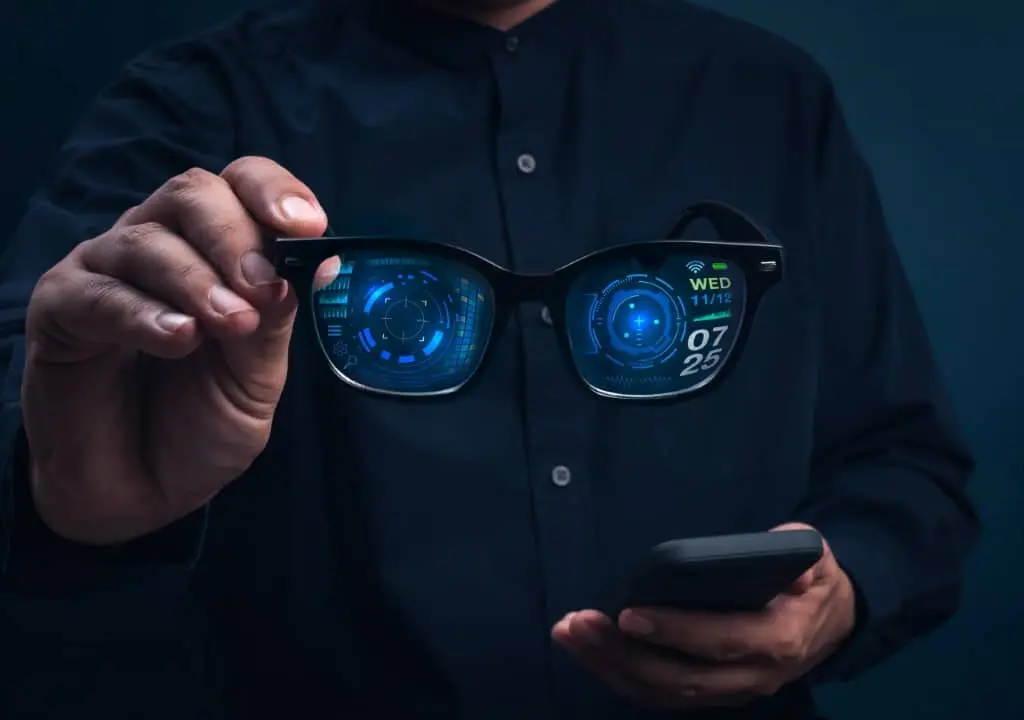
The writer and futurist Neal Stephenson, known for coining the term metaverse and for his work as a visionary at the company Magic Leap, has publicly declared that he no longer believes in replacing smartphones with smart glasses. The author, who previously argued that the use of facial wearable devices would be the natural successor to today’s mobile technology, has radically changed his perspective on the future of personal computing. Segundo their new assessments, the public will continue to use rectangular portable devices for the next two decades, contradicting optimistic predictions from the consumer technology industry.
Stephenson’s change of stance occurs at a time of expectation surrounding the new launches of Apple and Meta, which invest heavily in augmented and virtual reality. The author argues that the physical and social limitations of these devices prevent them from reaching the level of ubiquity that the iPhone and other Android cell phones have achieved globally. According to the writer, the barrier to entry for continually using something on your face is significantly higher than simply holding a screen in the palm of your hand.
Social and aesthetic barriers prevent mass adoption of glasses
Cultural resistance to the use of cameras and sensors on the face is one of the main points highlighted by the futurist to justify his new negative view of the sector. Ele recalls the Google Glass episode, which generated derogatory terms for users and created a climate of distrust in public environments due to privacy. Mesmo With current efforts to miniaturize components and make devices look like regular glasses, the perception that these devices are intrusive remains strong in contemporary society.
- Social rejection of constant monitoring by cameras integrated into lightweight frames.
- Physical discomfort caused by the weight of electronic components and batteries in prolonged use.
- The difficulty of convincing people who do not need vision correction to adopt glasses daily.
- The technical superiority of high-definition cell phone screens for rapid information consumption.
The extreme miniaturization necessary to make the glasses indistinguishable from conventional models ends up creating a side effect of distrust on the part of third parties. Stephenson points out that, by trying to hide the technology, companies end up making the product more “sinister” for those who interact with the user. Esse impasse between design and functionality has kept devices in a niche market, with no signs that they will become an essential item for the general population in the short or medium term.

Apple reevaluates timeline for transition between iPhone and wearables
Executives at Apple maintained, for years, the internal expectation that smart glasses could replace the iPhone as the company’s main financial driver by the end of this decade. Relatos of internal presentations that took place in 2019 indicated that the management of the Cupertino giant was working with a ten-year horizon for this technological transition. However, the timeline has been constantly revised, with figures such as Eddy Cue suggesting that the replacement scenario could be pushed to mid-2035.
During recent hearings, the Apple leadership used the possibility of disruptive technological changes as a defense argument against accusations of monopoly in the smartphone market. The company claims that the industry’s dynamics are volatile and that new product categories could make the iPhone obsolete at any time, although sales of the device continue to break annual records. Essa rhetoric serves to illustrate that, although the company invests in glasses, it recognizes the difficulty of overcoming the convenience established by today’s mobile devices.
Learn more: Apple invests in glasses with contextual AI and advanced cameras for continuous daily use
 Colby Minifie confirms Ashley Barrett’s powers in The Boys season five Actress Colby Minifie, interpreter of Ashley Barrett in The Boys, confirmed the character's return in the fifth and final season of the series. The executive of Vought, who… In News (EN) · 06/04/2026 |
 Napoli x Milan in Serie A with confirmed lineups and where to watch live O Napoli enfrenta o Milan nesta segunda-feira, 6 de abril de 2026, pelo confronto da 31ª rodada da Serie A. As equipes ocupam posições próximas na tabela, com… In Esportes · 06/04/2026 |
 New battery test puts Galaxy S26 Ultra ahead of iPhone 17 Pro Max in global ranking Uma avaliação intensiva de esgotamento de energia conduzida recentemente por criadores de conteúdo especializados em tecnologia revelou o desempenho de autonomia dos principais dispositivos móveis de alto padrão… In News (EN) · 06/04/2026 |
Practical limitations and ergonomics make complete replacement difficult
Experts in the technology sector reinforce that the comparison between smart glasses and smartphones ignores basic factors of ergonomics and human biology. Pessoas who don’t wear corrective lenses are rarely willing to carry an accessory on their face just for digital convenience, especially considering problems like sweating and fogging. The cell phone, as an item external to the body that can be quickly stored or ignored, offers a freedom that facial wearables cannot yet efficiently emulate.
Muitos analistas comparam a trajetória dos óculos inteligentes com a dos tablets, que foram inicialmente apontados como substitutos definitivos dos notebooks, mas acabaram ocupando um espaço complementar. The functionality of a pair of augmented reality glasses is seen as ideal for specific situations, such as industrial work, map navigation or immersive gaming. Para daily communication, social networking and quick administrative tasks, the touch interface and high-density screen of smartphones remain unbeatable in terms of practicality.
Industry seeks new ways to attract common consumers
Companies’ strategy now appears to focus on creating ecosystems where glasses function as a productivity accessory rather than a standalone replacement. The integration between the Apple Vision Pro and the Mac ecosystem is an example of how the technology is being positioned for professional and enthusiast users. Instead of trying to convince the world to abandon cell phones, the focus has shifted to how these devices can expand the capabilities of those already immersed in the digital world through traditional screens.
Meta, in turn, has been investing in partnerships with fashion brands to try to normalize the use of technology on the face through attractive and discreet designs. Ainda therefore, the functionality of these models is limited compared to the full potential of a robust mobile operating system, which reinforces the thesis that the smartphone will continue to be the center of digital life. The lack of a “killer app” that justifies switching from cell phones to glasses is the biggest challenge faced by engineers and futurists who still believe in this transition.
Follow: all about Apple Glasses
Future of personal technology points to coexistence of screens
Neal Stephenson’s current view suggests that humanity will remain focused on “portable rectangles” for much longer than anticipated at the start of the metaverse craze. Essa perception is shared by several developers who noticed the saturation of the virtual reality market and the slow adoption of augmented reality in everyday life. The smartphone has evolved to be an extension of human memory and identity, something that a facial accessory has not yet been able to replicate without causing fatigue or strangeness.
Multibillion-dollar investment in research and development continues, but the narrative of an imminent revolution has lost strength in the face of the reality of consumer behavior. Most users prefer the discretion of a device in their pocket to the exposure of an interface projected onto their retinas all day long. Sem a radical change in the physics of batteries and the optics of displays, smart glasses must remain powerful tools for professionals and gamers, while the cell phone maintains its throne as the most important device of the modern era.
The analysis of Stephenson ends a cycle of unbridled optimism that marked the last decade, bringing a more pragmatic perspective on technological development. The industry now faces the challenge of proving the futurist wrong by seeking innovations that overcome the aforementioned social and physical barriers. Até As this happens, the mobile device market must continue its incremental evolution, refining the experience of using the screens that already dominate the global routine.
Tech companies now need to recalibrate their future profit expectations based on product categories that have yet to prove their mass market value. The focus on generative artificial intelligence, integrated directly into cell phone operating systems, seems to be the new priority that offers more immediate and tangible returns. Enquanto That’s it, smart glasses continue their development journey, waiting for a time when technology is as invisible and natural as the clothes we wear.
The technological scenario of 2026 shows that innovation does not necessarily follow a straight line of progress as imagined in science fiction. The permanence of the smartphone format is proof that the human interface with the machine has found a balance point that is difficult to be broken by new forms of interaction. Stephenson, by admitting his prediction error, calls into question the haste with which Vale of Silício tries to decree the end of consolidated technological eras.
Consequently, software and service development will continue to prioritize the touchscreen experience, ensuring that the application ecosystem remains vibrant and centered in the user’s pocket. Spatial computing will have its place, but as a specialized tool that expands the boundaries of what is possible in controlled environments. The future, it seems, will continue to be viewed through small glass and metal windows that we carry with us everywhere.
Um novo cenário tecnológico está transformando a dinâmica familiar e educacional em diversos países, revelando uma lacuna de comunicação entre gerações. Dois estudos recentes, realizados pelo Pew Research…
In News (EN) · 06/04/2026
A fabricante sul-coreana iniciou a distribuição em larga escala do seu mais recente pacote de software para a linha de relógios inteligentes lançada há alguns anos. Proprietários dos…
In News (EN) · 06/04/2026
O mercado internacional de tecnologia registra uma movimentação importante com a recente redução de preço do smartphone Samsung Galaxy S25 5G em plataformas de comércio eletrônico na Índia.…
In News (EN) · 06/04/2026
O adaptador CarPlay sem fio Amzfeel aparece em promoção na Amazon por US$ 30, o que representa desconto de 50% sobre o preço normal de US$ 60. O…
In News (EN) · 06/04/2026
As recentes revelações sobre o próximo capítulo cinematográfico da franquia Resident Evil indicam uma mudança drástica de direção em comparação aos projetos anteriores da série. Sob o comando…
In News (EN) · 06/04/2026
A indústria de videogames acompanha com atenção as movimentações nos bastidores da gigante japonesa do entretenimento eletrônico. Informações recentes indicam o desenvolvimento de uma versão temática inédita para…
In News (EN) · 06/04/2026