
New MacBook Neo hits the market for $599 and forces Windows brands to review strategies

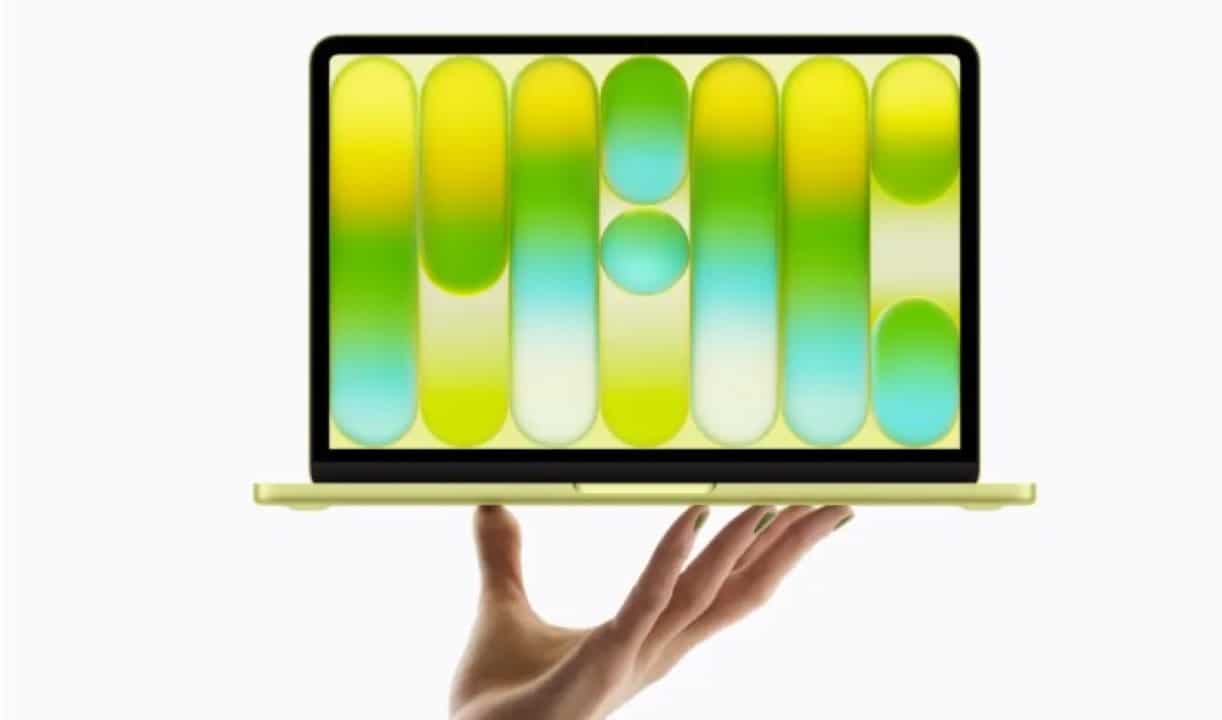
Apple introduced its latest input device to the North American market, establishing a new value floor for the company’s line of portable computers. Comercializado Initially priced at 599 dollars, the equipment seeks to attract consumers who would traditionally opt for machines from other manufacturers due to budget restrictions.
The model, equipped with the A18 Pro processor and a 13-inch Liquid Retina screen, features an integral aluminum construction. The battery autonomy announced by the manufacturer reaches 16 hours of continuous use, a factor that positions it competitively in the segment aimed at students and professionals who are constantly mobile.

Available on shelves since March 11th, following the official announcement made at the beginning of the month, the device is offered in four color options, including blush, indigo, silver and citrus. The commercial strategy aims to expand the user base of the macOS system in a price range historically dominated by direct competitors in the technology sector.
Production dynamics and ecosystem control
Apple’s business architecture allows for rigorous control over all stages of product development, from chip design to operating system interface. Essa verticalization results in cost optimization that makes it possible to offer premium hardware at a reduced price in stores.
In contrast, companies that develop machines based on the Microsoft operating system operate in a highly fragmented model. Assembling a single computer requires coordination between processor vendors, such as Intel, AMD, or Qualcomm, and the core software developer.
Consolidated brands such as Dell, Lenovo, ASUS and Acer are responsible for designing the chassis, cooling systems and final assembly of the devices. Essa division of responsibilities generates narrower profit margins for each participant in the production chain, making it difficult to drastically reduce the final price to the consumer without sacrificing quality.
Market analysts point out that the need to align multiple companies makes the innovation process slower and more costly in the rival ecosystem. The macOS maker’s ability to absorb large-scale research and development costs gives it a significant structural advantage in the entry-level segment.
Technical specifications and daily performance
Integrated hardware provides direct and efficient communication between physical components and software, which translates into agile performance for everyday tasks such as intensive web browsing, image editing and running artificial intelligence algorithms. The entry-level version of the portable computer has 8 GB of unified memory and 256 GB of internal storage, specifications that meet the demands of most home users. Para those who need more space and additional security, the variant with 512 GB of storage and Touch ID biometric sensor is sold for approximately $689.99, a price that still remains competitive compared to market options.
Independent performance tests indicate that the A18 Pro processor, based on the Arm architecture, outperforms several competing x86 chips in single-core operations and power efficiency. The absence of cooling fans in the internal design does not compromise system stability, even when using advanced neural processing features. Essa thermal efficiency ensures quiet operation and extends the life of internal components, features often missing from low-cost laptops that rely on noisy, active cooling systems to keep temperatures under control during extended use.
Parallel with market alternatives
In electronics retail, portable computers in the $500 to $600 range often have significant compromises in their physical construction. It is common to find chassis made entirely of plastic and screens with panels with lower color fidelity and lower brightness than the Liquid Retina display.
A direct example in the current market is the Lenovo IdeaPad Slim 3x, equipped with the Snapdragon X processor, 16 GB of RAM and 512 GB of SSD storage. Este model is found on e-commerce platforms for prices close to 562.99 dollars, competing directly in the same price category.
Despite offering twice the memory and storage in the base version, equivalent models face recurring criticism regarding their external finish and long-term durability. End-user value perception often leans toward metal materials and factory-integrated software ecosystems.
Consumer decision factors
Choosing between the available platforms involves analyzing individual priorities, such as the need for specific software or the preference for certain construction materials. Dispositivos input from other brands often sacrifice keyboard and trackpad quality to maintain commercial viability on the shelves.
The unified memory integration on the central chip directly contributes to the fluidity of the system, compensating for the lower amount of nominal RAM compared to direct competitors. The long-lasting battery, which reaches up to 16 hours in standardized video playback tests, is one of the main attractions for academic and corporate audiences.
Retail positioning and initial demand
The launch of the new device quickly changed the sales dynamics in the brand’s main retail chains and official stores, recording demand above initial projections for the quarter. Nas weeks following the product’s arrival on shelves, several specific configurations, especially the more vibrant color options, quickly sold out, generating virtual queues and delayed shipments. The aggressive pricing strategy demonstrates a clear effort by the manufacturer to democratize access to its ecosystem, historically associated with high-cost products and focused on content creation professionals. Empresas competitors, who used to dominate the sub-$600 price range alone, are now forced to reevaluate their portfolios, looking for ways to add value to their equipment without compromising profit margins already pressured by global component costs. The strategic move aims not only at selling the hardware itself, but at inserting new users into a network of subscription services, applications and cloud storage, which represent a growing and fundamental slice of the technology company’s annual revenue.
Continuous evolution of the product line
Behind-the-scenes information from the semiconductor industry indicates that the manufacturer has already started developing an updated version of the equipment, scheduled for launch in 2027. The future model should incorporate the A19 Pro processor, maintaining the commitment to annually update the entry-level line with technologies inherited from the brand’s most expensive devices.
Connectivity and portability in daily use
The equipment’s design prioritizes lightness and ease of transport, resulting in an approximate weight of 1.2 kg. Essa physical characteristic perfectly aligns with the profile of users who need to carry the computer in backpacks during long urban commutes or frequent business trips.
The selection of connection ports follows the company’s minimalist philosophy, offering the essentials for communication with modern peripherals and fast power recharging. The standardization of inputs simplifies everyday use, although it requires the purchase of adapters for users who still rely on legacy connections in their traditional work environments.



