
Paul McCartney releases nostalgic single from new album ‘The Boys of Dungeon Lane’

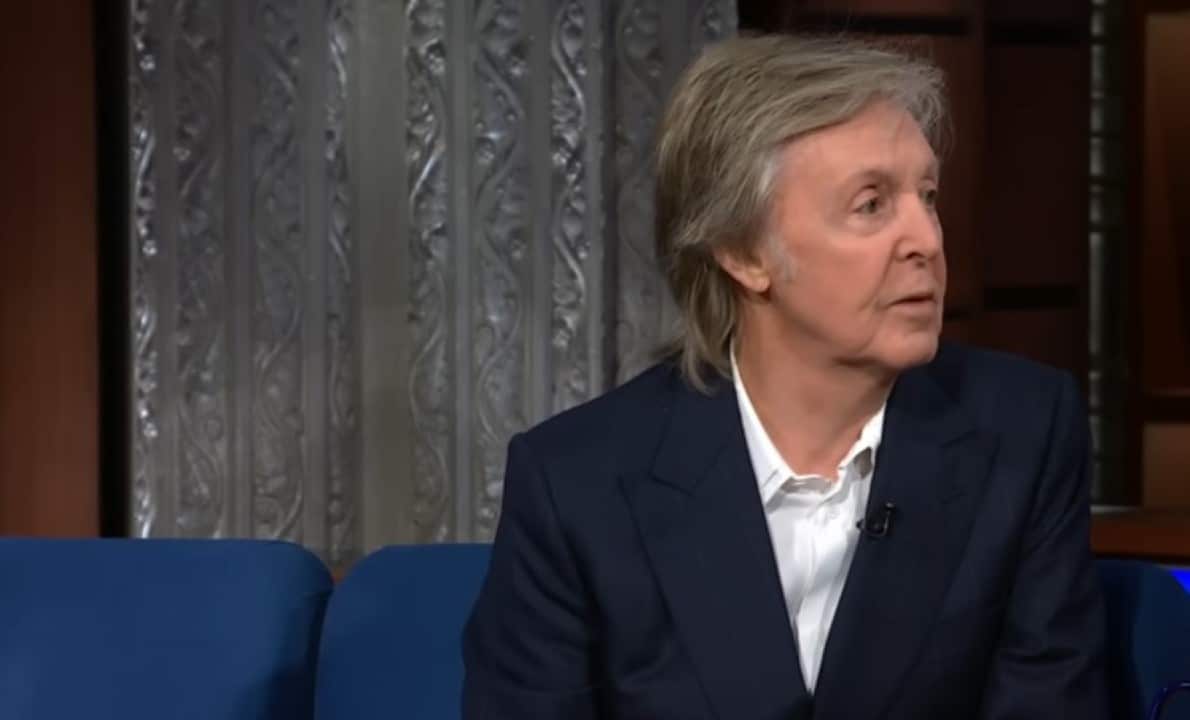
Paul McCartney announced this Thursday the album The Boys of Dungeon Lane, his first solo work in more than five years. The 83-year-old musician performed lead single Days We Left Behind, a reflective composition that harks back to his origins in Liverpool. The track arrives accompanied by a descending piano melody and harmony vocals that highlight its classic musical signature.
The project’s production includes Andrew Watt, responsible for works with artists such as Elton John, Ozzy Osbourne and Rolling Stones. The album’s title derives from a geographical reference linked to McCartney’s childhood in the region of Speke, close to Forthlin Road, where he lived in his youth. Dungeon Lane represents a path near the coast that marked its early years in a working-class neighborhood of Liverpool.
- The lyrics of Days We Left Behind include lines like “Nothing ever stays, nothing comes to mind, no one can embrace the days we left behind”.
- The song mentions elements of memory, including references to childhood places and the post-war context of Liverpool.
- The autumnal and contemplative tone brings the single closer to previous works such as Chaos and Creation in the Backyard, from 2005.
Initial reception to the single Days We Left Behind
Critics highlight the track’s mature approach, which avoids forced attempts at sound updating present in some of the artist’s recent releases. The composition explores nostalgia without losing McCartney’s characteristic melodic essence. The singer’s aged voice reinforces the reflective character of the song.
The single suggests that the album can explore in depth the contrast between the extensive past and the more limited future in the trajectory of an artist with more than six decades of career. The simple structure, with soft guitar and restrained arrangements, allows the lyrics to gain centrality. Ouvintes notice echoes of recurring themes in the ex-Beatle’s discography, such as memories of youth and personal relationships.
Context of creation of the album The Boys of Dungeon Lane
Paul McCartney described Days We Left Behind as a “memory song”. Ele mentioned that he often reflects on the past and questions whether his current compositions focus exclusively in that direction. The artist recalls the simplicity of life in Speke, where the people around made up for the absence of material resources.
The track includes a middle section that refers to John Lennon and the house of Forthlin Road. Esses personal details add autobiographical layers to the work. The album represents a more explicit return to Liverpool’s roots, something McCartney has explored sporadically since the Beatles days.
Details about launch and production
Andrew Watt takes over production and contributes to a sound that values the performer’s authenticity. The project avoids contemporary excesses and prioritizes organic elements such as piano, guitar and vocal harmonies. Essa choice aligns the new material with phases considered to be of high quality in McCartney’s solo career.
The album The Boys of Dungeon Lane is scheduled for release on May 29th. The work brings together 14 tracks and includes themes that mix unreleased memories with more recent compositions. The released tracklist features titles such as As You Lie There, Lost Horizon, Ripples in a Pond and Life Can Be Hard.
- As You Lie There
- Lost Horizon
- DaysWe Left Behind
- Ripples in a Pond
- Mountain Top
- Down South
- We Two
- Eat Inside
- NeverKnow
- Home to Us
- Life Can Be Hard
- First Star of the Night
Meaning of references to Liverpool
Dungeon Lane appears as a central element in the title and narrative of the main track. The location at Speke, close to the current Aeroporto John Lennon, connects the album to a period before Beatles’s global fame. McCartney grew up in a simple environment, where the local community influenced his musical and personal formation.
These geographical and emotional references appear integrated in the lyrics, which speak of days that never return and memories that persist. The composition maintains a balance between melancholy and affection, without falling into excessive sentimentality. The single reinforces the artist’s ability to transform personal experiences into universal material.
Expectations for the full album
The simultaneous release of the single and the album announcement generates expectations around the predominant tone of the work. Analistas observe that McCartney chose a more introspective path, aligned with the current phase of his life. The mature approach appears as an alternative to the sound experiments of previous works.
The project arrives after a gap of several years without the release of a new solo album. During this period, McCartney remained active with tours and occasional projects. The Boys of Dungeon Lane appears as an opportunity to consolidate a style that values the composer’s accumulated experience and natural voice.
Musical aspects of the main track
Days We Left Behind presents a stripped-down arrangement that favors vocal interpretation and melodic progression. The harmonic descent in the piano creates a sense of reflective movement that matches the lyrical theme. Harmonias additional vocals enrich the sound fabric without overloading the structure.
The production maintains a focus on instrumental clarity, allowing each element to contribute to the contemplative atmosphere. Essa economy of resources highlights the strength of the central composition and McCartney’s emotional delivery. The result sounds familiar to longtime fans, while also feeling fresh from the recent discography.
Paul McCartney continua a demonstrar vitalidade criativa com o anúncio de The Boys of Dungeon Lane. The single Days We Left Behind offers a first look at a work that delves into Liverpool’s personal memories and roots. The album is due to reach the public on May 29th with 14 tracks that explore themes of time, memory and musical identity.




