
Pistoia records 4.1 earthquake in Tuscany; tremors felt in Firenze and Prato in Italy


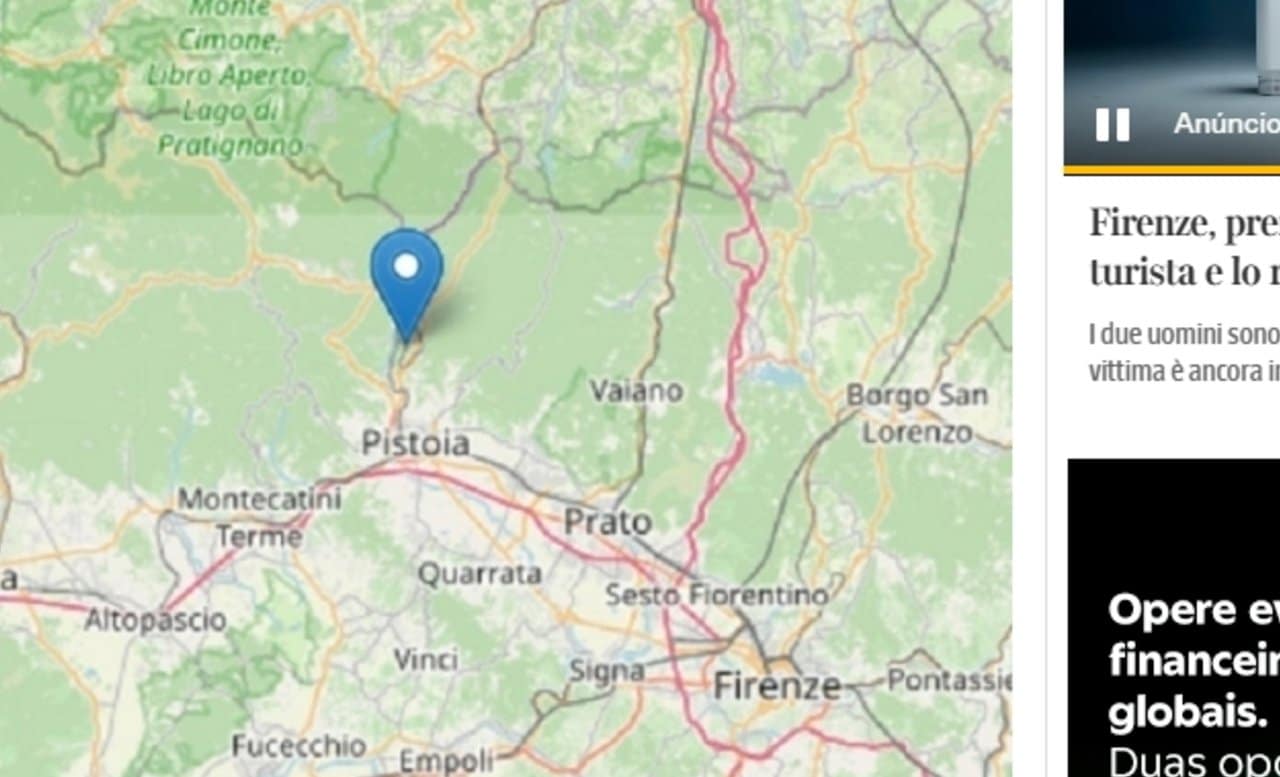
A strong earthquake of magnitude 4.1 was recorded on the morning of Thursday, March 26, with its epicenter located just seven kilometers north of the city of Pistoia, in Toscana, Itália. The tremor, which occurred around 9:40 am, reached a depth of 52 kilometers, according to information from Instituto Nacional of Geofísica and Vulcanologia (INGV) of Itália, causing considerable fear among the population.
Apesar of Pistoia was the epicenter, the intensity of the earthquake was sufficient for the tremors to be distinctly felt in several other locations in the region. Important Cidades such as Firenze and Prato, far from the main focus, reported a clear perception of the shaking, especially by residents on higher floors in residential and commercial buildings.
Relatos that quickly emerged on social media indicated that the vibration extended beyond the Pistoia-Firenze-Prato axis, with citizens of the province of Lucca also confirming that they felt the phenomenon. The scare was widespread, leading many to temporarily take to the streets in search of safety, although authorities did not report significant damage to structures or people.
Ainda Thus, the wave of concern generated a series of immediate actions. Várias schools opted for the preventive evacuation of students and teachers, ensuring the safety of students. Equipes techniques were mobilized to initiate structural checks in public buildings, with the aim of evaluating the statics of the buildings and identifying any injuries or cracks that could have been caused by the seismic event.
Local reactions and precautions
The acting mayor of Pistoia, Anna Maria Celesti, quickly commented on what happened. Ela stated that, at the time of the statement, there were no reports of material damage or injuries, which brought some relief amid the tension. However, the incident highlighted the importance of preparedness and safety protocols.
Funcionários from the Piazza Duomo communal palace, in Pistoia, left the building as a precaution, but soon returned to their activities, indicating that the structure did not present any immediate risks. Este type of immediate response, although alarming at the moment, is crucial for safety in seismic regions and reflects a certain degree of preparedness.
Recent history of earthquakes in the region
The shaking at Pistoia was not an isolated event at Toscana. The region, known for its beauty and history, also has seismic activity, recording other tremors in previous months. Apenas About a month earlier, on February 14, a 2.6 magnitude earthquake had been felt in the same area, more specifically at Sambuca Pistoiese, a sign of continued geological activity.
Além In addition, one day before the earthquake in Pistoia, on Wednesday, the region of Lunigiana, in the province of Massa Carrara, experienced a strong scossa of magnitude 3.9 with an epicenter in Fosdinovo. Esses sequential events serve as a constant reminder of the tectonic dynamics that permeate the Italian peninsula and the need for constant monitoring.
Post-shock procedures and assessment
Após an event like the earthquake in Pistoia, coordination between local authorities and civil protection agencies is intensified. The main focus is to ensure that the population is safe and that critical infrastructure has not been compromised. Structural assessments are a priority to avoid future risks, especially in older buildings or in areas of greater vulnerability.
The analysis of seismic data by INGV experts is essential to better understand activity patterns in the region and to improve warning systems. Esses data is compared with previous histories, helping to paint a more complete picture of local seismology and inform emergency prevention and response strategies.
Safety actions and recommendations for the population
Para residents of seismic regions such as Toscana, it is crucial to be aware of safety recommendations in the event of an earthquake. Autoridades of civil protection reiterate the importance of:
- Seek shelter under tables or sturdy furniture during the tremor.
- Stay away from windows, mirrors and objects that could fall.
- If you are outdoors, look for an open place, away from buildings, trees and posts.
- After the shock, check the safety of family and neighbors.
- Avoid using elevators and check for gas leaks or electrical damage before turning on the power.
- Stay informed through official channels and follow the guidelines of the authorities.
Essas simple measures, when practiced, can make a significant difference in individual and collective safety, minimizing the risks associated with seismic events and promoting a culture of prevention and preparedness.
The role of authorities and continuous monitoring
Regional and national authorities, such as the Italian Proteção Civil, play a vital role in managing seismic emergencies. Clear and quick communication with the population is essential to avoid panic and ensure that the correct information reaches citizens. Além In addition, maintaining updated contingency plans and carrying out simulations are ongoing practices.
The work of geologists and seismologists, who monitor the Earth’s crust 24 hours a day, is the backbone of any warning system. Seus studies and data provide the basis for understanding seismic activity and for developing safer construction policies to mitigate the impacts of future tremors in the region.
Investimentos in resilient infrastructure and public education on how to act in the event of an earthquake are pillars of an effective risk management strategy. Toscana, with its rich heritage and active geology, exemplifies the need for a constant balance between respect for nature and human preparedness.
Impact on daily life and local resilience
Embora without serious damage, the 4.1 earthquake in Pistoia serves as a reminder of the vulnerability of communities to natural phenomena. The event momentarily interrupted daily life, with schools evacuated and people on the streets, but the quick resumption of activities showed the resilience of residents and the effectiveness of the first responses, which were crucial for maintaining order and security.



