
Samsung’s Galaxy AI artificial intelligence system automates functions on smartphones
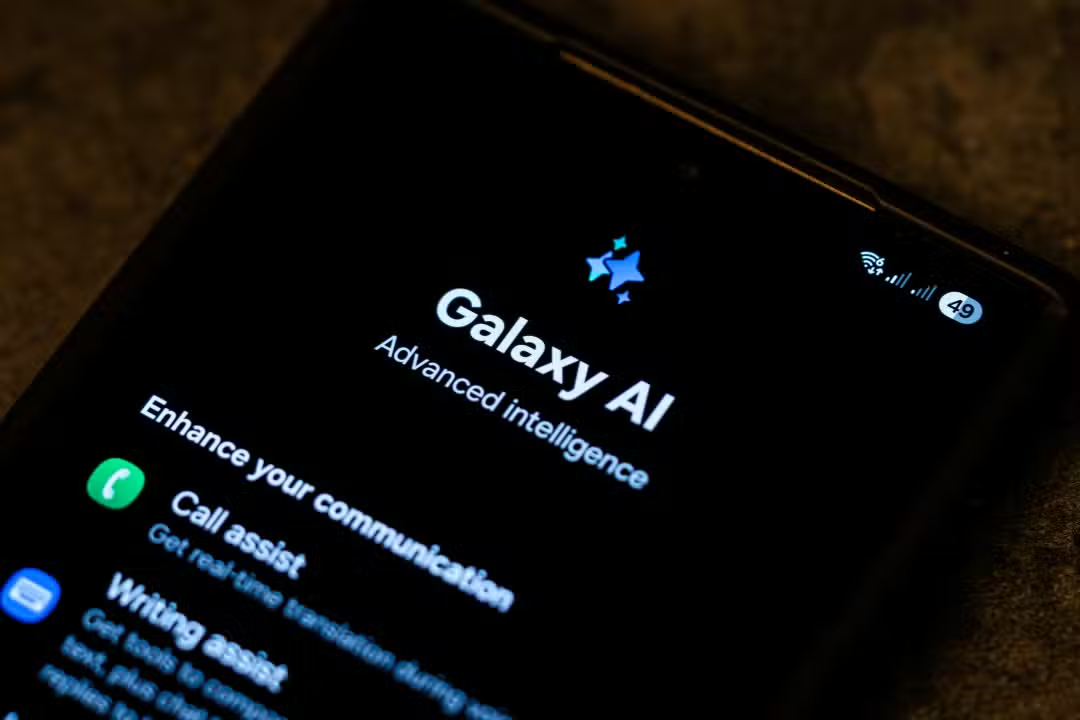
The integration of artificial intelligence systems into mobile devices changes the dynamics of using cell phones in everyday life. Samsung developed the Galaxy AI toolset to act directly on the operating system of its latest equipment. The manufacturer’s goal is to transform the phone into a proactive assistant that anticipates commands and performs complex tasks in fractions of a second.
This embedded technology processes data locally and in the cloud to deliver personalized results to device owners. The software maps browsing habits and usage preferences to suggest shortcuts and automations. The interface adapts to the consumer’s profile to reduce the number of touches required for routine actions.
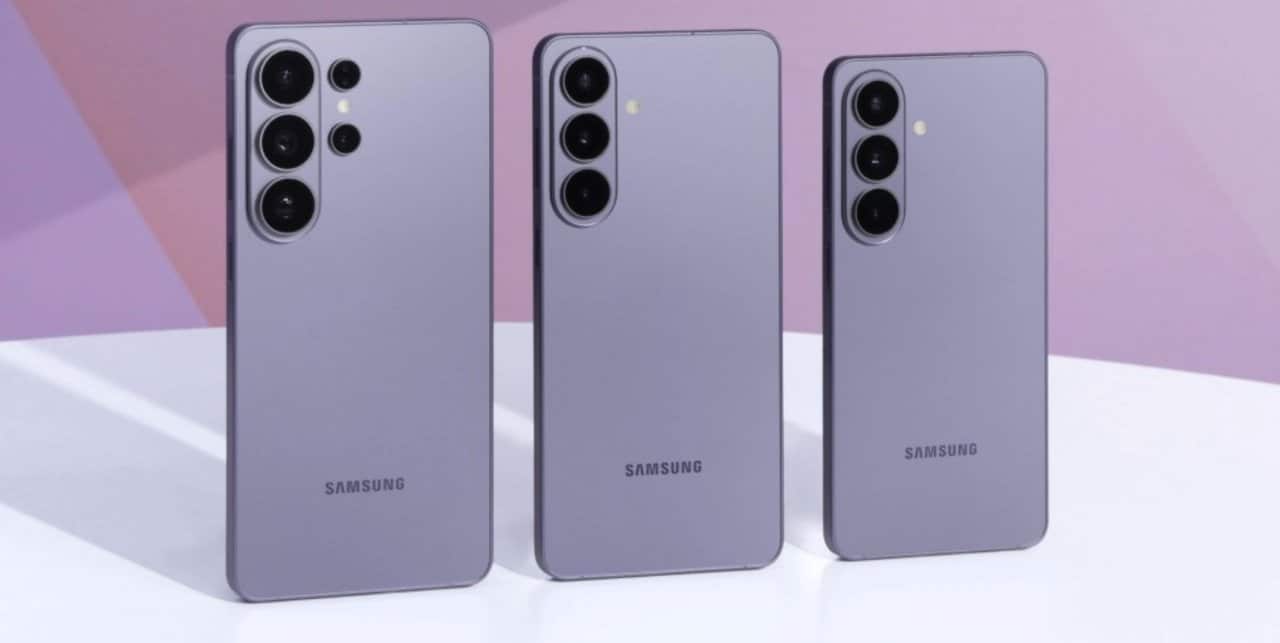
The initial launch occurred with the Galaxy S24 line, setting a new standard for the mobile phone market. From that point on, the South Korean company began to incorporate the functions into other product categories in its portfolio. The strategy aims to standardize the software experience across the brand’s ecosystem.
Simultaneous translation for voice calls and messages
The real-time translation feature acts as one of the main pillars of the new operating system. The tool processes audio from phone calls and converts the spoken language instantly for both parties in the conversation. Processing occurs natively in the device’s calling application.
The functionality eliminates the need to install third-party applications or use external translation platforms. The user selects the source and destination languages before starting the call, and the system generates a synthesized voice with the translation, in addition to displaying the text on the screen. Support spans dozens of different languages and dialects.
In text messaging, the mechanism operates in a similar way within chat applications. The native keyboard identifies the incoming language, translates it into the user’s language, and converts the response back to the sender’s language. International communication occurs frictionlessly in corporate or personal environments.
Visual search integrated into the operating system
The partnership with Google resulted in the creation of a visual search engine triggered by simple gestures on the device’s screen. The user presses the home button and circles, scribbles or taps any element displayed on the panel to start an internet scan. The system identifies objects, clothes, historical monuments or texts in images and videos without the need to switch between applications or open the browser manually.
The results appear in an overlay window that details business information, historical data, or definitions of unfamiliar words. The tool eliminates the step of typing search terms or taking screenshots for later searching in your camera roll. Deep integration with the search engine allows artificial intelligence to understand the context of the image and deliver direct links to online stores or informative articles related to the selected item.
Photo editing with generative fill
Image processing is supported by generative algorithms for advanced manipulation of photographs directly in the device’s gallery. The software allows you to select specific objects within a frame to resize, erase or move the elements around. The empty space left by the change is automatically filled with textures and colors that match the original scenery.
The tool also corrects crooked photo framing, generating artificial edges to avoid cropping the main image. The system automatically suggests improvements in lighting, contrast and removal of reflections on glass surfaces. Edits that use generative artificial intelligence receive a watermark in the corner of the image and in the file metadata to indicate digital manipulation.
Text formatting and summary tools
The manufacturer’s native note-taking application incorporates automatic structuring functions for written content. The system analyzes disorganized blocks of text and applies formatting with titles, topics and visual markers. The organization makes it easy to read meeting minutes or project drafts.
The software’s synthesis capability allows you to generate accurate summaries of extensive documents in just a few seconds. The user defines the desired summary size and artificial intelligence extracts the main points from the original file. The function serves professionals who deal with a large volume of daily reading.
The built-in spell checker reviews grammar and suggests vocabulary changes to improve the clarity of the material. The mechanism identifies concordance and typing errors before final saving of the document. Correction accuracy surpasses traditional virtual keyboard dictionaries.



The translation of entire documents occurs within the notes application itself, preserving the original formatting of the pages. The translated file can be exported in formats compatible with the main productivity packages on the market. Interoperability ensures the usefulness of the tool in the work environment.
Audio transcription with speaker identification
The operating system’s voice recorder transforms audio files into flowing text with high word recognition accuracy. The technology identifies different voices in the same recording and separates the speeches by speaker, creating a structured script of the conversation. The feature generates automatic summaries of recordings and translates the transcribed content into other languages, optimizing the recording of lectures, journalistic interviews and corporate meetings.
Adequacy of tone in written communications
The writing assistant works on the virtual keyboard to modify the style of messages before sending. The user types a base text and asks the system to rewrite the sentence with a more formal, casual, professional or social media-oriented tone. Artificial intelligence adjusts vocabulary and sentence structure to tailor communication to the recipient.
The tool suggests quick responses based on the context of the latest messages received in the chat. Local processing ensures the privacy of conversations as content is not sent to external servers during tone analysis. The function streamlines customer service and internal communication in work teams.
Ecosystem expansion and device updates
The distribution of artificial intelligence tools goes beyond the brand’s most recent generation of smartphones, reaching models launched in previous years through software updates. The manufacturer made the feature package available for the Galaxy S23 line, including the FE version, in addition to devices with a folding screen Galaxy Z Fold5 and Z Flip5. The Galaxy Tab S9 series tablets also receive the updated One UI with advanced processing functions. The backwards compatibility strategy increases the user base with access to automation technologies and extends the useful life of high-performance equipment. The company requires minimum hardware specifications, such as powerful processors and adequate RAM, to ensure that functions run smoothly on older devices. The gradual release of updates occurs across regions and telephone operators, unifying the user experience across the South Korean company’s entire premium catalog.
Continuous adaptation to usage patterns
Machine learning embedded in devices monitors the owner’s routine to optimize battery consumption and application performance. The system identifies times of greatest processing demand and adjusts the allocation of hardware resources in real time. Intelligent power management puts infrequently used apps into deep sleep, preventing early battery depletion during the day.
The interface suggests automations based on the device’s location and time. When arriving at the work environment, the phone can silence social media notifications and activate concentration mode automatically. Customizing the operating system reduces the need for daily manual configurations, transforming the smartphone into a device that reacts autonomously to stimuli from the external environment.
Hybrid processing and data security
The system architecture divides artificial intelligence tasks between local processing on the device’s chip and processing on cloud servers. Functions that require immediate responses and deal with sensitive data, such as call translation, occur entirely within the smartphone. Essa approach guarantees the operation of critical resources even without an internet connection.
Tasks that require greater computational power, such as generative editing of complex images, use the company’s server infrastructure. The user has control over the data flow and can disable cloud processing in the device’s privacy settings. The restriction ensures that no personal information leaves the device without prior authorization.
The implementation of encryption protocols protects data generated by automation tools against unauthorized access. Information security acts as a fundamental requirement for the adoption of technology in corporate and government environments. The manufacturer maintains periodic security updates to mitigate vulnerabilities in the operating system.
Veja Tambem em News (EN)

Research reveals that parents are unaware of how their children use artificial intelligence

Samsung releases new system update with new features for Galaxy Watch 4 users

Digital retail reduces the value of the Galaxy S25 5G smartphone with bank bonuses and device exchange

Amazon’s wireless CarPlay adapter has a 50% discount and high approval ratings from drivers

Zach Cregger’s new Resident Evil ignores games and focuses on an unprecedented story with new characters

Rumor suggests that Nintendo is preparing a special edition of the Switch 2 with a remake of Ocarina of Time

Apple accelerates production of the iPhone 17e and develops new Air model with dual camera system

Epic Games platform releases twelve high-budget games at no permanent cost for PC users

PlayStation 5 Pro price drop accelerates digital retail sales and eliminates global stocks

New Galaxy Watch 9 firmware appears on server and confirms progress in software development

Apple’s commemorative project tests cell phone with 1.1 millimeter edge and curved screen for 2027
