
Spanish court authorizes euthanasia of Noelia Castillo after long battle against family

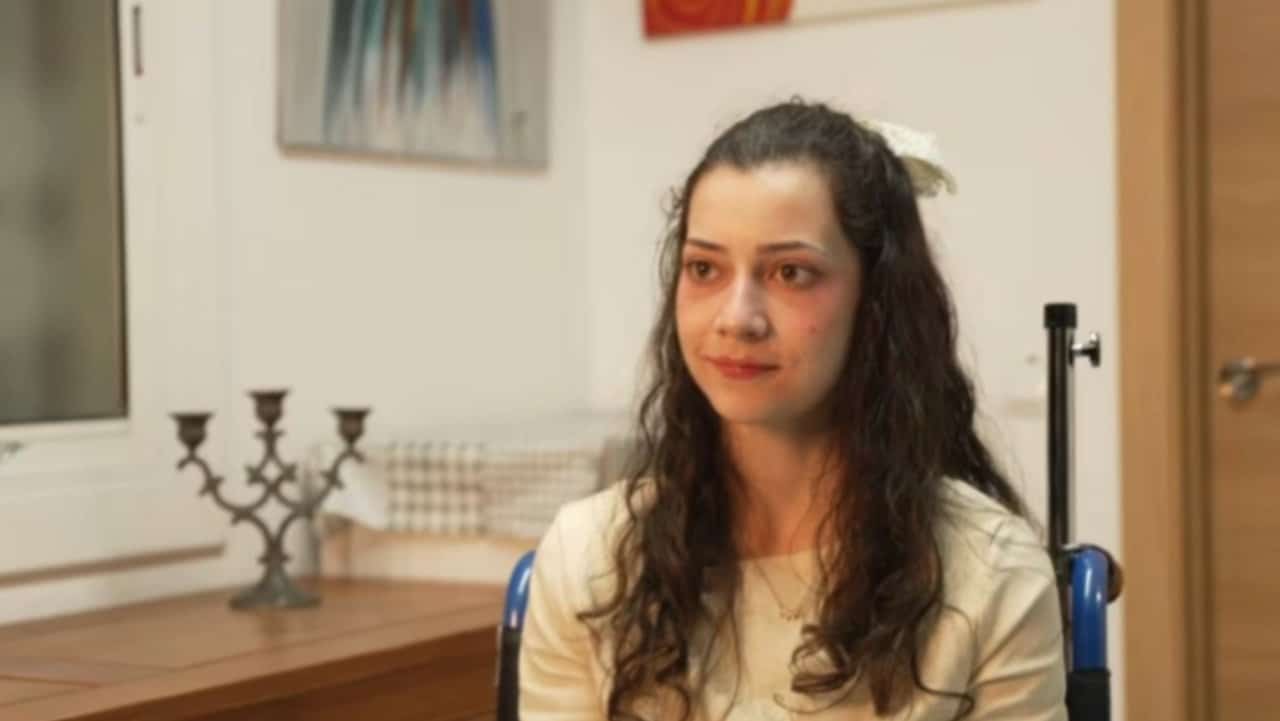
The young woman Noelia Castillo, aged 25, will undergo the assisted death procedure this Thursday, March 26, 2026, in the city of Barcelona. The decision ends a period of more than a year and a half of disputes in the courts, marking one of the most complex cases on the right to bodily autonomy in recent times. The patient, who suffers from paralysis and severe chronic pain, obtained definitive authorization after exhausting all legal appeals filed by opponents.
The process faced strong family opposition, led by his father, Jerónimo Castillo, with the support of conservative organizations. The legal battle involved multiple instances of the Spanish and European judiciary, delaying the application of the right guaranteed by national legislation in force since the beginning of the decade.
During the waiting period, the patient’s clinical condition continued to deteriorate. The medical reports attached to the process highlighted the following points about the state of health:
– Dependência severe for all basic daily activities.
– Ausência total prospects for clinical improvement or pain relief.
– Esgotamento of available therapeutic and pharmacological options.
The resolution of this legal dispute defines new parameters for the actions of regional medical commissions. From now on, decisions validated by specialized medical boards gain greater legal security against external interference, consolidating care protocols for terminally ill patients or patients with irreversible chronic suffering in the public health system.
Initial approval and medical procedures at Catalunha
Comissão of Garantia and Avaliação of Medical reports confirmed an irreversible condition, attesting that the patient experienced constant physical and psychological suffering, in addition to extreme dependence for basic daily activities, requiring uninterrupted care from third parties. Compliance with all legal requirements required by Spanish legislation was validated by multidisciplinary teams, which attested to the young woman’s cognitive capacity to make the decision freely, consciously and repeatedly over time. Apesar Due to the clarity of the medical reports and the unanimous approval of the regional ethics committee, the execution of the measure was immediately suspended due to precautionary measures requested by the defense of the patient’s father. Este initial clash transferred the decision from the hospitals to the courts, beginning a long phase of uncertainty that would last for almost two years, requiring the intervention of the country’s highest courts to resolve the conflict of fundamental rights and delaying the medical relief requested by the patient.
Judicial intervention and opposition from conservative groups
The judicialization of the case was driven by the actions of the association Abogados Cristianos, which represented the patient’s father in court in several instances. The group argued against the young woman’s ability to discern and sought to annul the medical authorizations granted by the Catalan health system, using resources based on the unconditional defense of life.
The successive injunctions obtained by the conservative legal team managed to repeatedly paralyze the process, creating an administrative and hospital impasse. Cada recurso apresentado exigia novas avaliações periciais e prazos legais extensos, prolongando o estado de dor crônica relatado pela paciente em seus depoimentos anexados aos autos do processo judicial.
Decisions in the higher courts of Spanish justice
Tribunal Supremo of Espanha intervened in the case in January, issuing a definitive opinion that validated the decisions of the lower courts in favor of the patient. The highest court rejected the arguments that the young woman did not have full mental faculties to opt for assisted death, confirming the fairness of the psychiatric reports presented.
Following the Supremo decision, the Catalan medical commission immediately resumed logistical and health preparations for the procedure. However, the family defense tried one last trick at Tribunal Constitucional, requesting new urgent precautionary measures to prevent the action of the health professionals assigned to the case.
Tribunal Constitucional denied the suspension request, reaffirming the constitutionality of the application of the law in the specific case and the primacy of the patient’s right to choose. The refusal to intervene marked the exhaustion of internal legal remedies in the Spanish system, closing the doors to new appeals on national territory.
The final verdict of the European court of human rights
With options exhausted in Espanha, the opposition turned to Tribunal Europeu of Direitos Humanos, based in the city of Estrasburgo. The international court was called as a matter of extreme urgency to evaluate an alleged violation of the right to life, based on international civil rights treaties.
The European magistrates analyzed the injunction request and decided to reject the appeal summarily, without the need for a prolonged trial in plenary. The court found that the Spanish courts had conducted the process strictly respecting the legal guarantees and fundamental rights of all parties involved in the dispute.
The decision of Estrasburgo removed the last legal obstacle that prevented the medical procedure from being carried out at Catalunha. The international opinion reinforced the validity of the medical and psychiatric assessments carried out by regional health authorities over the previous eighteen months of dispute.
From that moment on, the medical team responsible for the case received definitive and irrevocable authorization to schedule the date. The organization of the procedure began to exclusively respect the patient’s expressed wishes and the current health protocols established by Ministério of Saúde.
Accounts of physical deterioration and ongoing suffering
In recent public statements, broadcast by television stations on the Tuesday before the procedure, the patient detailed the extent of her physical condition and the impact of the judicial delay on her routine. Reports describe acute and uninterrupted pain in the spine and lower limbs, accompanied by profound exhaustion that makes any type of daily routine, autonomous personal hygiene or basic social interaction impossible. The lack of appetite, total inability to move around and severe sleep deprivation were highlighted as factors that completely nullified his quality of life, reducing his days to a state of continuous resistance to physical pain and mental exhaustion.
The firmness of the decision was maintained from the first request presented to the health authorities, without presenting any changes throughout the months of litigation. Profissionais health and judicial experts who followed the case testified that, at no time during the legal battle, was there any sign of hesitation or doubt on the part of the patient regarding her final wish. The mental clarity and articulation of his arguments contrasted sharply with his evident physical fragility, evidencing a determination based on a categorical refusal to prolong an irreversible clinical condition devoid of any effective therapeutic or pharmacological relief.
Family differences and maternal positioning
Despite the father’s frontal and judicial opposition, the patient’s mother adopted a stance of in-person monitoring, even though she intimately disagreed with the decision made by the young woman. X__NM0____
National legislation on medically assisted death
The Spanish law regulating the practice came into force in 2021, establishing strict medical and legal criteria for the eligibility of patients in the public and private system. The standard requires documentary and expert proof of a serious and incurable illness or disabling chronic condition that causes intolerable physical or psychological suffering with no prospect of improvement.
The legislative text was designed by parliament to balance the institutional protection of life with inalienable respect for the individual autonomy of the citizen. The current case tests the practical limits of this legislation, establishing jurisprudence on the legitimacy of family members and civil associations to challenge medical decisions validated by the Estado and ratified by the patient himself.



