

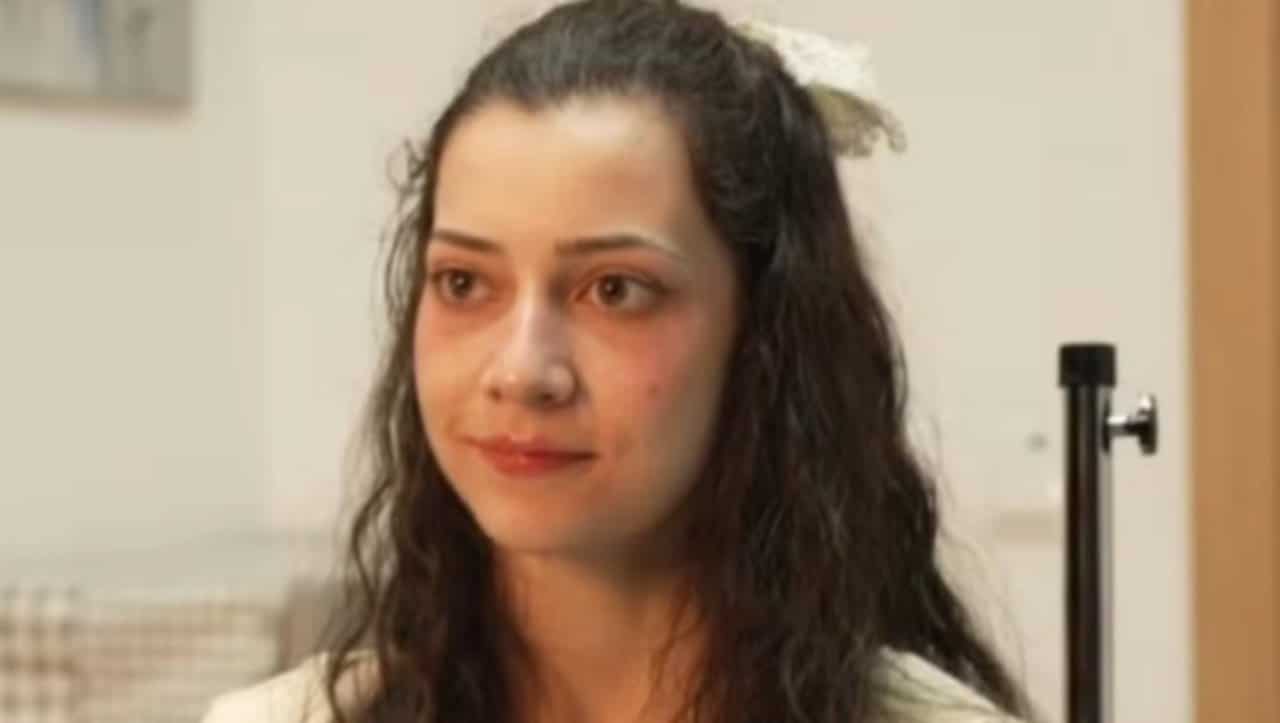
Spanish woman Noelia Castillo, 25 years old, underwent the assisted death procedure this Thursday, the 26th, at a health unit in Espanha. The completion of the medical act occurred after an extensive process of clinical evaluations and disputes in the courts of the European country, ending a cycle of formal requests made by the patient to the public health system.
The legal and medical process lasted more than 600 days until definitive release by the competent authorities. The patient lived with paraplegia and severe chronic pain, resulting from an accident that occurred in 2022, which supported her request based on current national legislation on the subject.
– Confirmação of intolerable and irreversible physical suffering by specialized medical staff.
– Avaliação psychiatric to attest to the patient’s full decision-making capacity and autonomy.
– Parecer in favor of an independent medical committee unrelated to daily care.
The final approval ended a long trajectory of formal requests made by the young woman, who sought the support of national legislation to guarantee the right to end her own life under medical supervision. The case was processed through several instances until the final permit was obtained to carry out the clinical procedure.
Judicial decision and the clash in the Spanish courts
The path taken to final authorization involved analyzing the case in multiple instances of the Espanha judiciary. Durante During the processing period, judges evaluated the patient’s medical reports and statements to ensure that the request was in full compliance with legal requirements. The complexity of the process reflected the caution of the justice system when dealing with requests for assisted death, requiring indisputable proof of the clinical condition and the reiterated will of the requester throughout the months of deliberation.
The resolution of the case required the judges to consider the right to individual autonomy in light of the challenges presented during the process. The evaluation committee, made up of experts from different areas of medicine, provided the technical basis necessary for the court to deliver the final sentence. The verdict reaffirmed the legality of the request, establishing that the patient met all the requirements set out in the current standard for access to the life-shortening medical procedure in a safe and assisted manner.
Family opposition during the legal process
The processing of the request faced additional obstacles due to strong opposition from immediate family members. The young woman’s father filed an appeal in court in an attempt to prevent the medical procedure from being carried out, alleging intimate issues and disagreement with his daughter’s decision.
The family dispute required the courts to analyze not only the patient’s clinical condition, but also the limits of relatives’ intervention in decisions of a strictly personal nature. The magistrates needed to separate emotional ties from the individual legal guarantees provided for in the country’s constitution.
At the end of the deliberations, the court determined that the patient’s express and conscious will, attested by psychiatric reports, had primacy over the objections presented by the family members. The superior court denied the final appeals, guaranteeing the continuation of the medical procedure as per the original request.
Rules for assisted death in the European country
Espanha is part of a restricted group of nations that have specific legislation to regulate assisted death. The standard, in force since March 2021, establishes strict guidelines for the public and private healthcare system, creating a standardized protocol to meet these demands.
The legal text requires the applicant to be of legal age, have Spanish nationality or legal residence, and have full cognitive capacity at the time of the request. It is mandatory to present a medical diagnosis of a serious and incurable illness or a disabling chronic condition that directly affects routine.
The physical or psychological suffering reported by the patient must be classified as constant and intolerable, with no prospect of relief through conventional medical treatments or palliative care available in the healthcare network. The assessment of this suffering is carried out objectively by experts.
The formal request must be made in writing on two separate occasions, with a minimum interval of fifteen days between them. Esse deadline aims to ensure that the decision is not the result of a momentary impulse, allowing the patient to revoke the request at any time before the procedure is carried out.
Consequences of the accident and the clinical picture
The health condition that motivated the request originated from a fall from a great height suffered by the patient in 2022. The trauma resulted in irreversible spinal injuries, causing permanent loss of movement in the lower limbs and total dependence on others to carry out basic and routine daily activities.
In addition to the severe mobility restriction, the clinical picture evolved into the development of high-intensity chronic pain that was difficult to control pharmacologically. Advanced analgesic treatments and motor rehabilitation therapies were not sufficient to provide physical stability considered acceptable by the patient throughout the years of treatment.
Action of the independent medical commission
The analysis of the application was conducted by a multidisciplinary panel, completely unrelated to the medical team that provided regular care to the patient in the health units. Este grupo teve a responsabilidade de revisar todo o histórico clínico, analisar exames de imagem e realizar novas entrevistas presenciais para atestar a veracidade das informações.
The experts prepared a detailed report confirming the absence of viable therapeutic alternatives to reverse the condition or substantially alleviate the pain. The official document attested that the request was free from external pressure, family or financial coercion, and reflected an autonomous, lucid choice based on legal precepts.
Execution protocols in the hospital environment
The execution of the procedure follows pharmacological and ethical protocols strictly defined by the Spanish Ministério to guarantee a quick and painless death. The act is carried out exclusively by trained nursing and medical professionals, who administer a specific sequence of medications intravenously, following millimetrically calculated dosages. Inicialmente, the patient receives a dose of deep sedative to induce a coma, eliminating any possibility of perception of pain, anxiety or physical discomfort. Then, after confirming total sedation, neuromuscular blocking drugs and specific substances are applied that cause definitive cardiorespiratory arrest within a few minutes. Todo the process takes place in a clinical environment prepared to offer privacy, allowing the patient to be accompanied by the people they wish in their final moments, if they wish. The health team remains on site 24/7 to monitor vital signs using equipment until official death is confirmed. Posteriormente, doctors prepare a detailed report detailing the times and substances used, a document that is immediately forwarded to government control authorities to prove the fairness, transparency and technical compliance of the entire medical intervention.
Repercussion of the case in civil society
The authorization granted to the young woman reignited public discussions about the limits of medical intervention and individual rights in Europa. Organizações of human rights, jurists and medical associations continue to debate current assessment protocols, using the resolutions of recent cases to improve the application of the law, balancing the provision of palliative care with unrestricted respect for the patient’s wishes in the healthcare system.



