
Technology manufacturer OnePlus ends commercial operations in the United States and mainland Europe

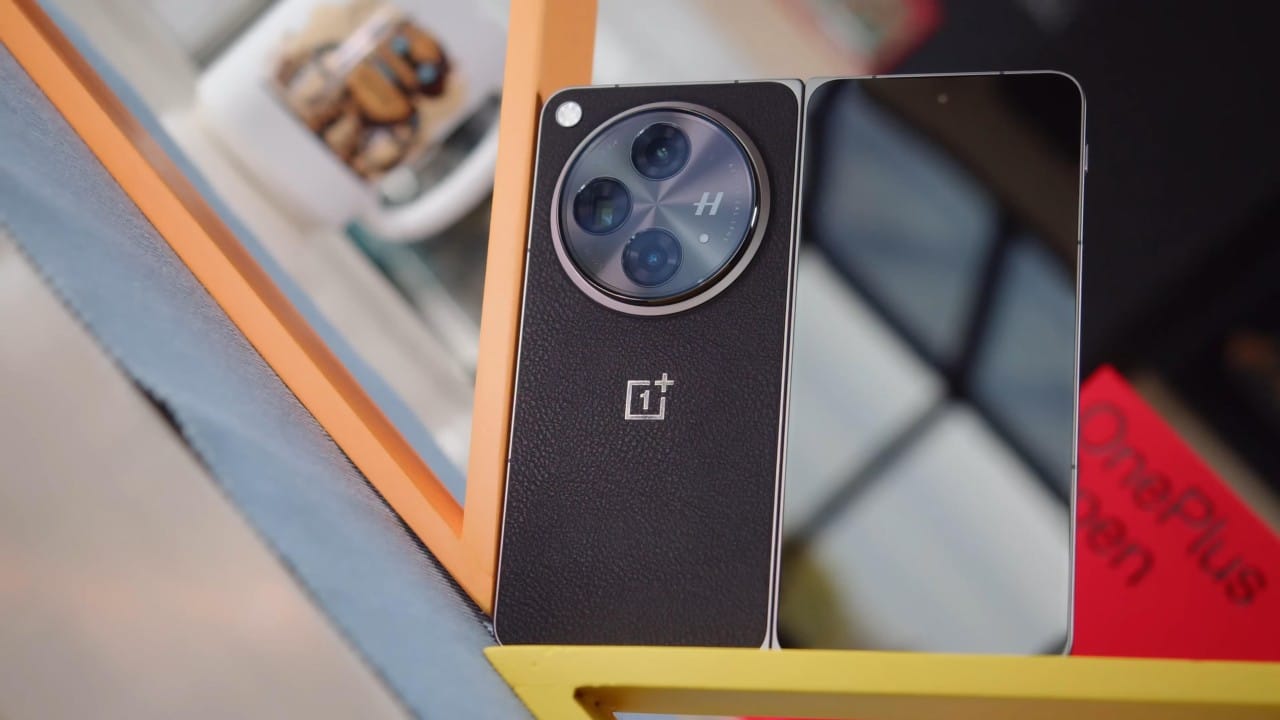
Mobile device manufacturer OnePlus confirmed the closure of its commercial operations in the Estados Unidos and Europa from the month of April. The strategic decision represents a substantial change in the brand’s positioning within the global technology market, changing the dynamics of competition in the high-performance device segment.
The measure directly affects the official distribution of devices, accessories and services linked to the company in these territories. The move ends a cycle of approximately a decade of the company’s direct operations in the West, where it built a solid base of enthusiastic consumers and established partnerships with several telecommunications operators.

With the official withdrawal, the company directs its efforts and financial resources towards consolidating its presence in the Asian market. The restructuring aims to optimize operational costs and focus on regions where the brand has greater penetration, sales volume and a more integrated supply chain.
Corporate restructuring and regional focus
The company’s change of route involves deeper integration with Oppo, a brand that belongs to the same technological conglomerate. Nos last few years, both companies began a process of unifying their research and development teams, seeking to maximize efficiency in the creation of new hardware. Esta synergy allows a significant reduction in engineering and design expenses, concentrating production on models that specifically meet the demands of the public in the Ásia, with emphasis on the Índia and the China. The centralization of operations aims to create a more robust and competitive ecosystem compared to local brands.
The closure of activities in American and European branches reflects an adaptation to current economic conditions in the telecommunications sector. Manter a sales, marketing and distribution infrastructure on continents with high competition and narrow profit margins became unsustainable for the manufacturer’s current business model. By centralizing operations in the East, the company’s management hopes to recover profitability and strengthen its product catalog. The guidelines for this new phase include the following operational points:
– Interrupção immediate official import of new batches of smartphones to the West.
– Desmobilização of marketing and sales teams located in regional offices.
– Transferência of the research focus on technologies aimed at the Asian consumer.
Executive leadership changes
The decision to exit Western markets comes shortly after a series of changes at the company’s top level. The recent replacement of the executive director signaled a change in corporate priorities, culminating in the adoption of a more conservative stance towards international expansion and financial risk management.
The new managers took on the responsibility of leading the transition process, ensuring that the closure of regional offices occurs in a structured manner. The transition team works to terminate contracts with local suppliers and retail partners without generating legal liabilities, maintaining the institutional integrity of the brand.
Consumer status and ongoing support
For users who already have branded smartphones, the company ensured the maintenance of customer service services. The legal guarantees in force at the time of purchase will continue to be respected, using third-party technical assistance networks approved in the respective countries to guarantee compliance with consumer protection standards.
The supply of spare parts for physical repairs, such as screen and battery replacements, will follow an adapted logistical schedule so as not to abandon the installed base. Digital support channels will remain active to guide owners through repair procedures, shipping equipment via mail, and remotely diagnosing hardware failures.
In terms of software, operating system updates and monthly security packages will not be interrupted. The interface based on Android will continue to receive stability improvements, ensuring data protection and the longevity of devices already sold, in accordance with the life cycle promised at the time of each model’s launch.
Cancellation of awaited releases
The strategic retreat has the immediate consequence of canceling the launch of the next generations of high-performance smartphones in the West. Modelos premium products that were in the final stage of approval will not reach the shelves of American and European physical or virtual stores, frustrating the expectations of the enthusiastic public.
Consumers who were waiting for their equipment to be renewed will have to look for alternatives from competing brands or resort to independent imports. Purchasing through unofficial means, however, eliminates local technical support and may present incompatibilities with the network frequencies of Western telephone operators, impairing connectivity.
Telecommunications operators, which often subsidize the sale of devices linked to data plans, have already started to remove the brand’s advertising materials. Remaining stocks from previous generations must be liquidated through specific promotions until units are completely sold out in distribution centers.
Product presentation events, technology fairs and marketing campaigns aimed at these audiences have been permanently suspended. Financial resources previously allocated to advertising in the West were reallocated to the development of new technologies at the company’s headquarters, aiming to strengthen the Eastern portfolio.
Dynamics of the mobile technology sector
The global smartphone market is going through a period of saturation, characterized by the lengthening of the device replacement cycle by consumers and the substantial increase in the manufacturing costs of advanced components, such as cutting-edge processors and high-resolution image sensors. The withdrawal of a large manufacturer from the West highlights the difficulty of maintaining profitable operations outside the hubs of origin without a massive sales volume. The brand in question has built its reputation by offering devices with top-of-the-line specifications for prices lower than those charged by industry leaders, a strategy that has proven complex to sustain in the long term in the face of global inflation, currency fluctuations and rigorous logistical requirements. The space left on retail shelves tends to be quickly occupied by other Asian corporations that are still seeking global expansion, as well as by the traditional giants that already dominate sales in América, Norte and Europa. The move reinforces the trend towards regionalization of technology brands, where companies choose to dominate specific and highly populated markets instead of spreading their investments across a global presence with low financial returns.
Operating system transition
The merging of source codes between the OxygenOS and ColorOS interfaces continues according to the software engineering team’s original planning. The unification aims to deliver a fluid and standardized user experience, optimizing battery consumption and processing speed for all remaining global users, without compromising the already known visual identity.
Sales strategy in the Asian market
While reducing its global presence, the manufacturer is intensifying the opening of concept stores and experience centers in large Asian cities. The objective is to provide direct consumer contact with the brand’s complete ecosystem, which includes wireless headphones, smart watches, tablets and connectivity accessories.
Diversification of the product portfolio has become the main tool for increasing average revenue per user in the regions where the company will maintain its active operations. The focus on interconnected devices reflects the company’s new phase, focused on local customer loyalty and the construction of a lasting regional technological infrastructure.




