
United States plans military siege on Kharg Island to stifle Iranian oil exports

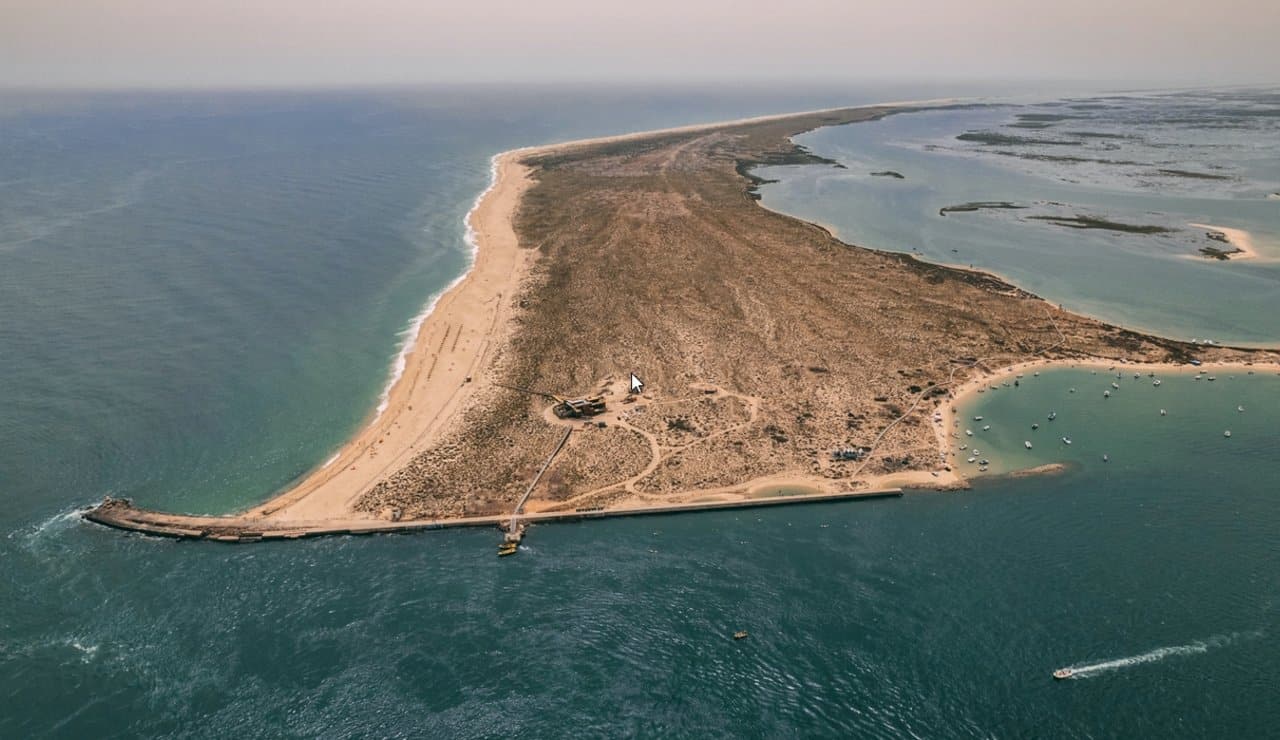
Geopolitical tension in Oriente Médio reaches a critical level with warnings from Washington about possible military actions against the strategic island of Kharg, located off the Iranian coast. Esta small swath of land houses the central infrastructure of the country’s oil reserves and serves as the backbone of the local economy, becoming the epicenter of a dispute that threatens the stability of global energy supplies and international maritime security.
Recent statements by the US government indicate a more assertive military stance in the region, with the high command demonstrating readiness to intervene directly in export operations. Relatórios intelligence reports indicate that armed forces have already carried out preliminary operations in the area, with officials saying that Iranian defensive positions have been neutralized, although the oil targets were initially spared to avoid an immediate shock to financial markets.
The situation took on a new shape after the leak of documents detailing invasion strategies or total blockade of the island by naval and air forces. The central objective of this tactical maneuver would be to pressure the Iranian government to retreat from its offensive positions and guarantee free navigation on the Estreito of Ormuz, one of the most vital maritime routes on the planet, through which a significant portion of the world’s entire hydrocarbon trade passes.
The energy infrastructure and the economic weight of the terminal
The island of Kharg, despite its modest dimensions and being geographically characterized as a rocky outcrop approximately one kilometer long, holds colossal importance for the international energy sector and for the financial survival of the local regime. Sua strategic location in the Golfo Pérsico and the complex system of deep water pipelines installed at the site make it the main and most efficient oil operations center in the Persian nation. Estimativas consolidated data from the energy sector indicate that around ninety percent of all crude oil exported by the country necessarily transits through the island’s storage and pumping terminals. Consequentemente, any military attack, sabotage or prolonged naval blockade against
Military movements and maritime blockade tactics
Sources linked to North American defense confirmed that the country’s forces have immediate operational capacity to isolate or take the island, highlighting that the executive command reserves the right to authorize any action necessary to protect its interests. Esta stance highlights the seriousness of military intentions and the readiness of the fleets stationed in the region.
The formulation of tactical plans by the top brass of the Pentágono includes the possible deployment of troops specialized in amphibious assaults. Informações from international agencies point to the continuous mobilization of thousands of marines and aircraft carrier strike groups towards the Oriente Médio, reinforcing the projection of naval power in an overt manner.
Capture or siege of the island territory would abruptly halt exports, depriving local military forces, especially elite units, of their main source of ongoing funding. Especialistas in international security point out that this tactic seeks to use economic strangulation as a primary tool of geopolitical containment.
Despite the West’s obvious military superiority, an operation to take the island would require a complex and highly coordinated incursion by sea and air. The rugged geography of the location, combined with dense coastal defense systems and Iranian anti-aircraft batteries, represent significant operational challenges that require meticulous planning to avoid significant casualties.
Recent tactical operations and disagreements over damage
During operations recorded in mid-March, the North American central command carried out a series of bombings focused on neutralizing offensive capabilities installed in the coastal and island region. The operation’s main target was the destruction of naval mines, cruise missile depots and several radar installations, hitting dozens of strategic positions that threatened commercial shipping. However, for reasons of prudence and geopolitical calculation, the infrastructure for extracting, storing and pumping oil was deliberately spared by fighter jets and drones. Esta tactical decision indicates a strict focus on reducing the adversary’s military capacity, seeking to disarm coastal defenses without paralyzing the global energy market, which could trigger an economic crisis of unwanted proportions for Western countries themselves.
In contrast, Iranian state media and provincial authorities have vehemently refuted the occurrence of significant damage to its defense infrastructure or fuel depots. Agências of local news reports reported that the air and sea strikes only hit secondary and peripheral targets, such as the airport’s logistics command center and a helicopter maintenance depot. Representantes of the provincial government of Bushehr have publicly assured that the oil export schedule from the island remained completely unchanged and operating at maximum capacity. Essas statements suggest an attempt to demonstrate resilience, stating that the real impact of US attacks was limited and did not compromise the country’s essential economic capacity in the face of external pressures.
Effects of a direct offensive on the energy market
The decision to avoid the destruction of oil deposits reveals a thorough strategic assessment by the Western forces involved in the theater of operations. Ações direct military strikes against this vital infrastructure would have the potential to drastically intensify the armed conflict, eliminating any space for short-term diplomatic negotiations.
An attack of this magnitude would inevitably cause a sharp and immediate increase in global oil prices on futures markets. The destabilization of stock markets and the inflationary impact on economies dependent on energy imports would generate a shock wave on a global scale.
In addition to the severe financial impact, the destruction of export terminals would serve as a definitive catalyst for extreme and asymmetric retaliation. The insecurity scenario would quickly expand to other trade routes, directly affecting the infrastructure of allied countries and trading partners in the Golfo Pérsico basin.
Retaliation and security threats in Golfo Pérsico
Iranian military forces have declared a state of maximum readiness to destroy gas and oil facilities belonging to Western companies if their vital operations in Kharg are targeted. Essa promise of mutual retaliation raises the risk of an all-out war in the energy sector, putting offshore platforms and refineries in neighboring countries at risk.
The country’s response capabilities include the coordinated use of precision ballistic missiles and swarms of drones against commercial oil tankers. Existe also the documented threat of expanding attacks against desalination and water treatment plants, which would generate an unprecedented humanitarian crisis for millions of inhabitants of Península Arábica.
Importance of Estreito of Ormuz for trade
The Estreito of Sua unquestionable strategic importance is the backdrop to decades of instability and disputes over naval hegemony.
Historically, the threat of total or partial blockage of this channel has been used as the main tool of geopolitical pressure in times of severe economic sanctions. Ensuring free navigation on this specific route is considered a central national security issue for Western and Asian powers.
Diplomatic repercussions and regional stability
Faced with the continued escalation of tensions and the mobilization of fleets, the international community is observing developments with extreme apprehension, issuing urgent appeals for immediate diplomatic solutions. Mitigating the risks of an open military confrontation is considered essential by international organizations to avoid catastrophic consequences that would quickly go beyond the borders of Oriente Médio, directly affecting the global supply chain, the cost of living of populations and the political stability of several nations dependent on the uninterrupted flow of hydrocarbons.



