
US pressures Iran with threats to occupy Kharg Island and impact oil exports

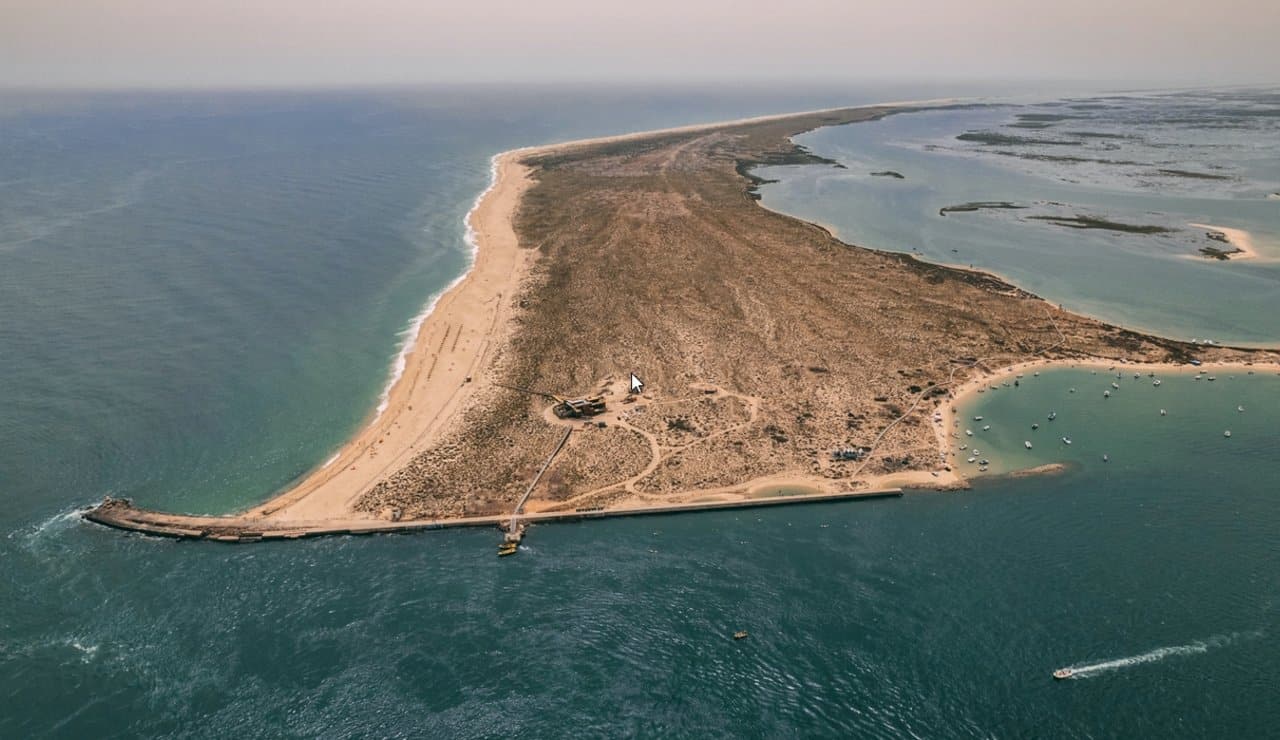
Geopolitical tensions in Oriente Médio reach a new level, with the Estados Unidos warning of possible military actions against the strategic island of Kharg, located off the coast of Irã. Esta small but crucial area is home to the country’s vast oil reserves and is recognized as the backbone of the Iranian economy, making it a focal point in the regional dispute.
Recent statements by US President Donald Trump indicate a more assertive stance by Washington. Relatos of March 13 pointed out that the American military had bombed the island, with Trump stating that Iranian forces there were “conquered”, although he refrained from directly attacking the oil targets.
The situation gained more relevance after the American newspaper Axios reported, on Friday, that sources with knowledge of the US government’s plans detailed strategies to invade or blockade the island. The objective would be to pressure the Irã to guarantee free navigation on the Estreito of Ormuz, one of the most important maritime routes south of the Iranian coast.
The strategic position of the island from Kharg to Irã
The island of Kharg, despite its modest size – a rocky outcrop about a kilometer long – holds colossal energy importance for Irã. Sua strategic location and infrastructure make it a vital hub for the Persian nation’s oil operations.
Estimates indicate that approximately 90% of Iranian crude oil is exported through the island’s terminals, transported through a complex network of pipelines. Atacar Kharg, therefore, amounts to strangling the main economic engine of Irã, with drastic consequences for the regime.
Voltage escalation between Washington and Teerã
An Casa Branca official, in a statement to the BBC, stated that American forces “may take the island of Kharg”, noting that President Trump did not plan to send troops, but “reserves the right to take any action as president”. Esta statement underlines the seriousness of American intentions.
Previously, Trump had already warned about the possibility of attacking Iranian oil installations on the island if Irã “did anything” to disrupt navigation by Estreito of Ormuz. In response, Teerã has repeatedly threatened oil tankers attempting to cross the strait, creating a cycle of provocations.
Aaron Maclean, security expert at CBS Esta tactic seeks to use the Iranian economy as leverage in a high-stakes geopolitical chess game, reflecting the complexity of bilateral relations.
On the other hand, the Iranian military stated that it would destroy all oil and gas facilities belonging to companies linked to the Estados Unidos if their operations in Kharg were targeted. Essa Potential retaliation points to an even greater escalation of the conflict.
American military plans and operational challenges
Speculation about a possible attempt by American forces to take the island of Kharg has been circulating behind the scenes in politics and defense for some time. The implementation of such a movement would have significant repercussions, changing the balance of power in the region and impacting the global energy market in a profound way.
CBS sources indicated that Pentágono officials have already drawn up detailed plans for sending troops to the Irã, a clear sign of the seriousness of their intentions. Além In addition, the Reuters news agency reported information about the possible mobilization of 2,500 marines and warships to the Oriente Médio, reinforcing US power projection capabilities.
Despite Pentágono and Casa Branca’s discretion in commenting on troop deployments, the constant reiteration that there is “a problem on the ground” suggests that military readiness is a priority. Capturing the island would disrupt Irã’s oil exports, depriving Guarda Revolucionária Islâmica’s (IRGC) Corpo of its vital economic source, which, according to military expert Mikey Kay, would seriously harm Teerã’s military capability. Maclean added that any US attempt to seize the island, although considered small, would be challenging, requiring a complex entry operation by sea or air, given Iranian geography and defenses.
The bombing of March 13th and the official versions
On March 13, President Trump declared that the US Comando Central (Centcom) had launched one of the largest bombing raids in the history of Contudo, the president highlighted that, for “reasons of prudence”, he chose “not to destroy the oil tradition on the island”.
Centcom later detailed that American forces attacked more than “90 American soldiers on Ilha of Kharg” but confirmed that the oil rig was spared. The operation aimed, according to the command, to destroy naval mines, missile depots and several military installations, indicating a strategic focus on Iran’s military capacity, without directly affecting its export infrastructure.
Iranian state media, in turn, refuted the occurrence of significant damage to its oil deposits on the island, contradicting American claims. The Fars news agency reported that the US strikes targeted only air and sea objectives, the airport command center and a helicopter depot, suggesting the impact was limited and did not affect essential economic capacity. Ehsan Jahanian, deputy governor of the province of Bushehr, stated that the oil export plan from the island of
The implications of a direct attack on deposits
The decision by the Estados Unidos to refrain from destroying the oil deposits on the island of Kharg reveals a complex strategic assessment. Operações direct military actions against this vital infrastructure, although capable of causing severe damage to Irã, would have the potential to drastically intensify the conflict, dragging the region into an even greater spiral of violence.
Additionally, an attack of this magnitude would inevitably cause a sharp increase in global oil prices, destabilizing markets and economies. Tal action could also serve as an incentive for Irã to retaliate with even more aggressive attacks against oil and gas companies and refineries linked to the USA in Oriente Médio, expanding the scenario of insecurity.
Historical context of the dispute over Estreito of Ormuz
The Estreito of Ormuz is one of the most critical arteries of global trade, a maritime bottleneck through which a substantial portion of the world’s oil transits. Sua strategic importance goes back decades, with frequent incidents and threats that mark instability in the region and the dispute for control and influence.
Historically, the Irã has used the threat of blocking the strait as a tool of geopolitical pressure, especially in times of sanctions or tensions with Western powers. Este vital canal connects Golfo Pérsico oil producers to global markets, making any disruption an immediate international concern.
The rivalry between Estados Unidos and Irã in Golfo Pérsico is a constant backdrop to the tensions over Ormuz and Kharg. Desde to Revolução Islâmica, relations between the two countries are marked by mistrust and indirect confrontations, with energy security and freedom of navigation being crucial points of friction that shape regional dynamics.
International reactions and diplomacy in check
Faced with the escalation between the US and Irã, the international community is watching with growing apprehension. Há widespread calls for de-escalation and diplomatic solutions that can mitigate the risk of a greater conflict, the consequences of which would be catastrophic for the global economy and regional stability.
Even after weeks of hostilities, there are indications that the Irã still has considerable capacity to launch missiles and drones against Oriente Médio countries and oil tankers. Além Furthermore, the possibility of Irã expanding its attacks on water treatment plants, which supply millions of people in the region, highlights the seriousness and humanitarian potential of the ongoing conflict.



