Apple designs iPhone 18 Pro with translucent back and front camera hidden under the display

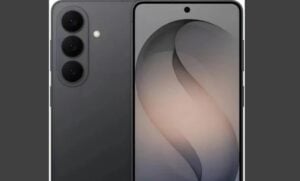
Apple is working on developing a significant visual and technological redesign for its line of premium smartphones. The iPhone 18 Pro design involves the adoption of a partially translucent rear panel and the implementation of a front camera positioned under the screen. The modifications represent a movement by the manufacturer to integrate aesthetic innovations and pay homage to the brand’s own design legacy.
The device’s main focus is to remove the cutout known as Dynamic Island, introduced in previous generations. Replacing this element with sensors under the display aims to offer an uninterrupted viewing experience. Além of the external changes, the hardware will feature updates to the photographic set, processing capacity and battery life.

The company’s commercial strategy foresees a change in the traditional advertising calendar. The more advanced versions of the device should reach the consumer market at first, while the standard and Plus editions will have a delayed launch. The tactic seeks to focus public attention on innovations exclusive to the premium segment.
Historical revival in smartphone design
The inspiration for the new visual format goes back to Macintosh computers from the late 1990s, specifically models like the iMac G3. Esses historical equipment gained notoriety in the technology market for featuring colorful cabinets that allowed the inside of the machine to be seen. The adoption of this visual language seeks to rescue the manufacturer’s classic industrial identity.
The central element of this aesthetic change in the iPhone 18 Pro is the inclusion of a section of transparent glass on the back of the chassis. Essa translucent window will be strategically positioned in the central area of the device, exactly over the MagSafe magnetic charging ring. The design exposes internal components in an intentional and controlled way.
Through this visual opening, users will be able to observe details of the device’s engineering, such as the wireless charging coil and parts of the adjacent circuits. The engineering decision creates a distinct visual effect in the high-cost mobile device segment. Partial transparency works as a competitive differentiator in contemporary industrial design.
Apple’s approach directly contrasts with the trends adopted by other manufacturers in the telecommunications sector. Enquanto competing companies rely on LED lighting systems and shiny elements on their rear covers, the brand opts for a more restrained solution. The goal is to provide a unique detail without compromising the structural integrity of the phone.
End of the notch and new screen technology
The elimination of the Dynamic Island marks one of the most anticipated technological transitions for the company’s new generation of smartphones. The manufacturer carries out advanced tests with panels that allow the selfie camera to operate through the pixels of the display. Essa technology makes the photo sensor practically invisible during everyday use of the operating system and applications.
The implementation of this screen requires a strategic partnership with specialized suppliers, such as Samsung Display, responsible for developing improved OLED panels. The engineering challenge is to create a screen area with enough transparency for light to pass through, without causing distortions when capturing images. The ProMotion refresh rate of 120Hz will be maintained to ensure smooth animations.
The components of the facial biometrics system, the Face ID, will also be relocated to the bottom layer of the display. The architectural change results in an approximately five percent increase in usable viewing area compared to current models. Apesar of advancement, some sensors may still present a slight silhouette depending on the angle of incidence of external light.


Advances in the image capture system
The main photographic set of the iPhone 18 Pro will receive a substantial upgrade with the introduction of a sensor equipped with a variable diaphragm aperture. Essa mechanical technology allows you to switch the lens aperture between f/1.4 and f/2.0, offering physical control over the amount of light that reaches the image sensor and the depth of field. In low-light environments, the f/1.4 aperture maximizes light capture, reducing digital noise and generating a natural, smooth background blur for portraits. On the other hand, the f/2.0 setting guarantees greater sharpness across the entire scene, making it ideal for landscape photographs or group shots where multiple shots need to remain in focus.
In addition to the variable aperture mechanism in the main lens, the camera module will feature improvements in auxiliary sensors. The telephoto lens will maintain 48 megapixel resolution with five times optical zoom capability, ensuring high fidelity in long-distance captures. The ultra-wide-angle camera will be equipped with a redesigned optical stabilization system designed to more accurately cancel out shakes when recording moving videos. The image processing power integrated into the new hardware also makes it possible to record videos in 8K resolution at 60 frames per second, establishing a new standard for the production of audiovisual content on mobile devices.
Advanced processing with two nanometer architecture
The operation of all new hardware tools will be managed by the A20 Pro processor, manufactured under two-nanometer lithography. The reduction in the manufacturing scale of transistors allows a significantly greater number of components to be allocated in the same physical space on the chip. Esse technological leap results in a direct increase in the speed of executing complex tasks.
Advanced silicon architecture is critical to supporting the computational demands of artificial intelligence and machine learning. The processor will work in conjunction with the iOS 27 operating system, requiring precise calibration to manage features such as computational photography and real-time video processing. The energy efficiency of the component also ensures that high performance does not harm the device’s autonomy.
Thermal structure and energy efficiency
The internal power management and thermal dissipation structure of the iPhone 18 Pro Max will undergo a complete redesign to support the new processor and advanced display. The main structural change involves replacing the battery’s traditional aluminum casing with a chassis made from stainless steel. Essa material engineering modification increases impact resistance by approximately twenty percent and improves heat dissipation by fifteen percent, allowing the device to maintain peak performance for extended periods without suffering from thermal throttling. In conjunction with the new material, the rated capacity of the power cell will be increased to 4800 mAh in the Pro Max version, designed to provide up to thirty hours of continuous mixed use. A autonomia estendida também é resultado da integração de um modem 5G proprietário, desenvolvido internamente pela fabricante para otimizar o consumo de energia durante a busca e manutenção de sinal de rede celular. Reforçando the sustainability policies of the production chain, the battery blocks will use ninety-five percent recycled materials in their chemical and structural composition.
Segmented release schedule
The global rollout schedule for the new smartphone family will take a piecemeal approach. The iPhone 18 Pro and Pro Max variants are scheduled to begin sales in September, following the technology company’s traditional announcement window. The entry-level models, however, will only hit shelves in the first half of the following year.
The separation of release dates reflects a commercial strategy aimed at maximizing the impact of hardware innovations. By isolating the debut of premium devices, the manufacturer ensures that screen and camera technologies receive exclusive market attention. The tactic also eases pressure on the supply chain during last quarter’s peak demand.
Durability and certifications of the new chassis
Despite the introduction of the partially transparent back panel, the physical integrity of the device remains unchanged. Testes engineering teams confirm that the new glass structure does not cause interference in the reception of cellular network signals, wireless connections or Bluetooth, thanks to the use of filters permeable to radio waves. The external chassis will continue to be forged in titanium, maintaining IP68 certification for resistance against submersion in water and dust infiltration.
Veja Tambem em News (EN)

Research reveals that parents are unaware of how their children use artificial intelligence

Samsung releases new system update with new features for Galaxy Watch 4 users

Digital retail reduces the value of the Galaxy S25 5G smartphone with bank bonuses and device exchange

Amazon’s wireless CarPlay adapter has a 50% discount and high approval ratings from drivers

Zach Cregger’s new Resident Evil ignores games and focuses on an unprecedented story with new characters

Rumor suggests that Nintendo is preparing a special edition of the Switch 2 with a remake of Ocarina of Time

Apple accelerates production of the iPhone 17e and develops new Air model with dual camera system

Epic Games platform releases twelve high-budget games at no permanent cost for PC users

PlayStation 5 Pro price drop accelerates digital retail sales and eliminates global stocks

New Galaxy Watch 9 firmware appears on server and confirms progress in software development

Apple’s commemorative project tests cell phone with 1.1 millimeter edge and curved screen for 2027