
Asus cuts the price of the ROG Ally portable console to $499 and intensifies competition in the gaming sector


Electronics manufacturer Asus has officially reduced the value of its portable entry-level device on the global market. The equipment aimed at computer games is now sold for $499 in the main retail chains. The change specifically affects the version equipped with the Ryzen Z1 processor, developed in partnership with AMD, and repositions the brand in the dispute for consumer preference.
The company’s move comes during a period of continued expansion in the high-performance mobile hardware segment. The adjustment in the amount charged for the device aims to attract a wider audience that wants to access libraries of computer games without the need to invest in traditional desktop machines or heavy notebooks. The strategy seeks to democratize access to cutting-edge components in a compact format.
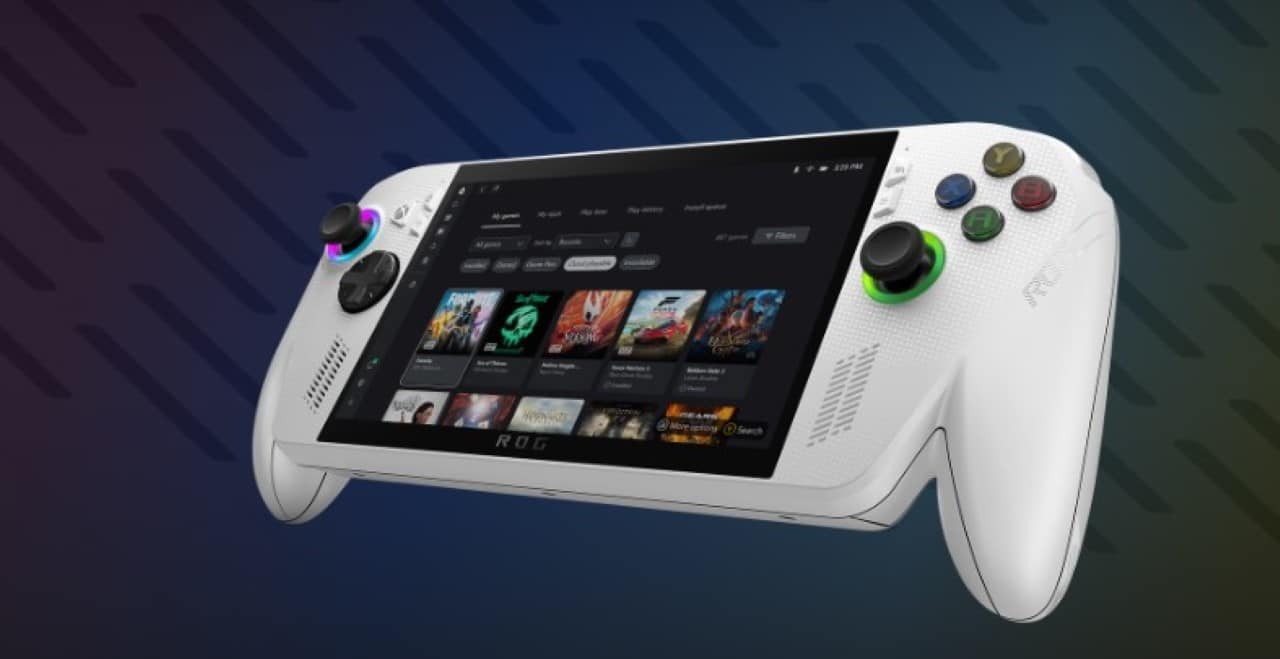
The new value is already in effect on e-commerce platforms and official distributors of the brand. The initiative establishes a new dynamic of direct competition with other popular devices in the sector, requiring responses from other technology manufacturers to maintain competitiveness in sales of entertainment electronics.
Commercial strategy and impact on international retail
The decision to price the base model below the $500 mark positions the device aggressively on virtual and physical shelves. The manufacturer is betting on the cost-benefit ratio to convince buyers who are looking for a viable alternative to traditional consoles and computers assembled piece by piece.
Analysts in the electronics sector assess that the pricing is a direct response to the initial saturation of the premium portable niche. Reducing costs for the end consumer forces other companies to review their sales strategies to maintain global relevance and share in the hardware market.
In emerging markets like Brasil, directly converting values into dollars still represents a considerable investment. With the current minimum wage established at R$1,621, price reductions at origin become essential for the viability of imports and local sales by retailers.
To structure this offer, the company focuses on offering a financially accessible gateway for users who prioritize mobility. The objective is to ensure that the hardware maintains technical specifications capable of running modern titles with system stability and acceptable graphics quality.
Processing architecture and energy efficiency
The core of the equipment is powered by the Ryzen Z1 processor, a piece of silicon customized to meet the demands of graphics processing in reduced spaces. The component uses the Zen 4 architecture, which provides six physical cores and twelve threads of simultaneous execution to handle multiple heavy tasks.
The chip construction has been optimized to operate within a power consumption range that varies between 9 and 30 watts, depending on the performance mode selected by the user. Essa flexibility allows the system to manage brute force delivery as per the requirement of the currently running application.
The integration of recent semiconductor manufacturing technologies ensures that the device reaches high operating frequencies without compromising the physical integrity of the internal components. Intelligent power management works to extend hardware lifespan during heavy, continuous usage sessions.
Visual performance and display specifications
The portable console’s visual processing is carried out by the RDNA 3 graphics architecture, which incorporates four computational units dedicated to rendering three-dimensional scenes. Essa configuration is sized to support running recent games at stable frame rates and resolutions suitable for the compact dimensions of the display. The touchscreen is seven inches and uses IPS panel technology, recognized for offering wide viewing angles and accurate color reproduction. The display’s native resolution is 1920 by 1080 pixels, resulting in high pixel density and sharp images when browsing and consuming digital media.
One of the main attractions of the display is the 120 hertz refresh rate, which provides fluid frame transitions and reduces motion blur in fast-action games. The visual fluidity is complemented by an optimized response time, essential for players who demand precision in competitive titles. The maximum brightness of the panel reaches 500 nits, allowing content to be viewed even in outdoor environments with a strong incidence of natural light. Para To protect the component against scratches and accidental impacts, the manufacturer applied a layer of high-resistance reinforced glass across the entire front surface of the device.
Storage capacity and system speed
The device’s memory system has 16 gigabytes of RAM in the LPDDR5 standard, soldered directly to the motherboard to maximize communication speed with the central processor. Essa amount of volatile memory ensures that the operating system and games have enough space to allocate high-resolution textures and temporary data without resorting to secondary storage.
For permanent storage, the device is equipped with a 512 gigabyte NVMe solid state drive in M.2 2230 format, offering high read and write speeds. Caso If the user needs more space to install their application library, the equipment has a microSD UHS-II standard memory card reader, allowing rapid expansion with minimal performance losses.
Thermal engineering applied to the chassis
Maintaining temperatures at safe levels is carried out by a proprietary cooling system called Zero Gravity, specifically designed to operate efficiently regardless of the physical orientation of the device in the user’s hands. Internal engineering uses heat pipes with optimized capillary meshes that increase pressure and ensure constant coolant flow. Esse mechanism works perfectly even when the device is held upside down or at unconventional angles during lying down use. Hot air is expelled from the chassis through two high-performance fans that operate at reduced noise levels, avoiding noise distractions in quiet environments. Exhaust vents are strategically located on the top of the housing, directing heat flow away from the player’s hands and face. Simultaneamente, the air inlets capture the cold flow through the rear of the equipment. Todo this process keeps critical components, such as the processor and memory modules, within the ideal thermal margins stipulated by the manufacturer’s engineers. The efficiency of this system prevents automatic speed reduction due to overheating, ensuring that performance remains stable even after hours of intense processing.
Software integration and navigation
The equipment leaves the factory with the Windows 11 operating system natively installed, ensuring immediate compatibility with digital game distribution platforms on the current market. Navigation through the interface is facilitated by the Armoury Crate SE software, a command center developed by the manufacturer itself that groups installed titles, allows quick adjustment of performance profiles and manages driver updates in a virtual environment simplified for use with physical controls.
Power autonomy and user-focused design
The system’s electrical power in portable mode is provided by a lithium polymer battery with a capacity of 40 watts-hour, designed to balance the total weight of the device and the time of use away from sockets. The recharging process is carried out using a USB Tipo C port, which supports fast charging power adapters, allowing you to recover a large part of the autonomy in a short period.
The device’s chassis was sculpted with a focus on ergonomics, resulting in a total weight of 680 grams, which reduces muscle fatigue in the arms and wrists during prolonged sessions. The arrangement of buttons, analog triggers and directional levers follows the standard established by the video game industry, with non-slip textures on the sides that ensure a firm and comfortable grip for different hand sizes.




