
Automaker confirms production of Jeep Avenger sports utility vehicle with turbo engine in Rio de Janeiro

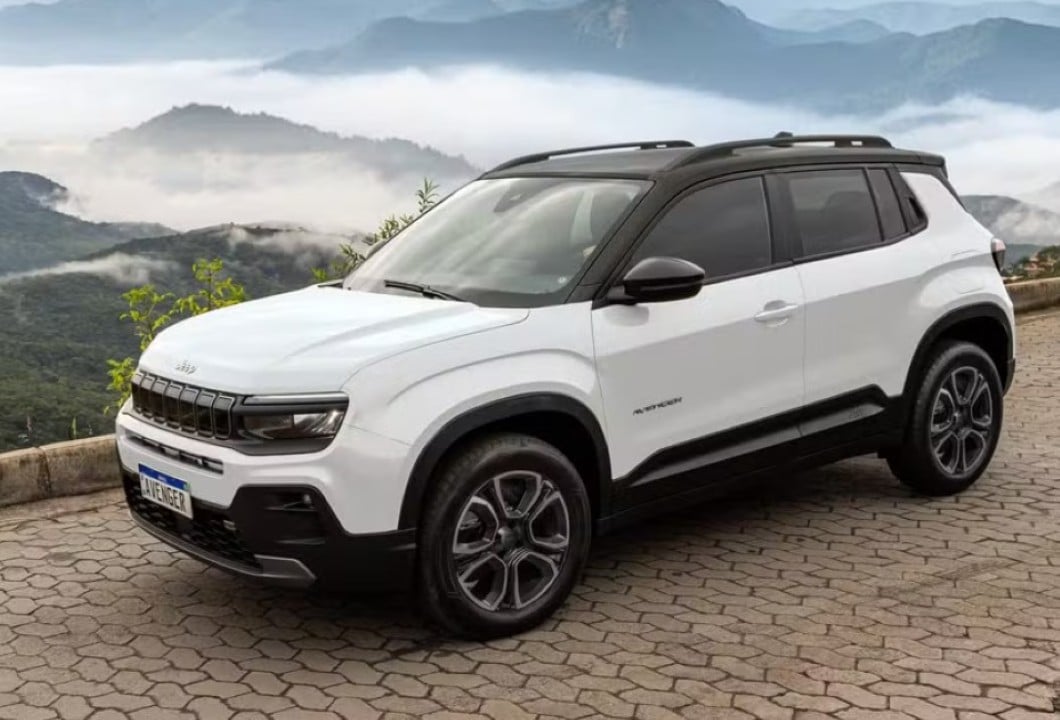
The national automotive industry receives a new boost with the confirmation of the manufacture of an unprecedented sports utility vehicle in the Rio de Janeiro industrial complex. Stellantis defined the Porto Real unit, located in the state of Rio of Janeiro, as the production hub of Jeep Avenger for the domestic market. The vehicle arrives to act as the brand’s entry point into the compact sports utility vehicle segment, a category that concentrates a large part of sales volume in the country. The automaker’s strategy involves a significant financial contribution aimed at modernizing assembly lines and training local labor. The amount of three billion reais guarantees the adequacy of the infrastructure to receive the shared modular platform, essential for the viability of the project. The strategic decision marks a historic moment for the North American manufacturer in the country, changing its manufacturing dynamics. Pela For the first time, a model from the brand will be assembled outside the traditional automotive hub of Goiana, in Pernambuco. The initiative aims to increase the company’s competitiveness against direct rivals already established in dealerships and diversify the group’s production matrix.
The official schedule establishes the start of series assembly operations to meet the growing demand for vehicles with raised suspension. The Rio de Janeiro industrial plant is already responsible for manufacturing models in the Citroën line, such as the C3 hatch and the Basalt coupe utility vehicle. The synergy between the automotive group’s brands allows for significant optimization of development, manufacturing and distribution logistics costs.
Consumers will have access to a vehicle designed for daily urban use, but which preserves the manufacturer’s characteristic robust visual identity. The fight for market share will take place directly against volume models, such as the Renault Kardian and the Volkswagen Nivus. The local offer promises to speed up delivery to stores and maintain competitive prices in the windows, avoiding high import fees.
Technical structure and dimensions of the utility
The engineering project establishes precise measures to ensure agility in traffic in large cities without compromising internal space. The sports utility vehicle has a total length of 4.08 meters and a wheelbase set at 2.56 meters. The width of the body reaches 1.77 meters, while the total height is 1.53 meters, proportions that facilitate maneuvering in tight spaces.
The luggage compartment offers a volumetric capacity of 355 liters, suitable for daily use and short trips. The vehicle’s architecture uses the CMP platform, the same structural base applied in other recent products from the automotive conglomerate. The exterior design incorporates traditional elements from the automaker, highlighting the iconic front grille with vertical slits and the optical assembly with LED technology.
Mechanical assembly and energy efficiency
The engine chosen for the domestic market differs from the specifications adopted on the European continent, aiming to meet the preferences of the local driver. The engineers opted for a 1.0 turbo flex three-cylinder engine, specifically developed to deliver power at low speeds. The mechanical equipment is capable of generating a maximum power of 130 horsepower and a torque of 20.4 kgfm when fueled with ethanol.
The transmission system has a CVT automatic transmission, electronically programmed to simulate seven continuous speeds. The mechanical configuration prioritizes fuel efficiency and acoustic comfort during long urban journeys. A version equipped with 12V mild hybrid technology will be available from the moment of official launch in dealerships across the country.
The electrified system uses a small auxiliary electric motor to reduce the effort of the combustion propellant, similar to the mechanism present in the Fiat Pulse. The manufacturer also plans to introduce a variant with full four-wheel drive, maintaining the off-road DNA that has established the brand globally. The fully electric option, currently sold at Europa with good sales numbers, is not expected to reach the national market.
Financial contributions and industrial modernization
The Porto Real factory complex is undergoing a profound transformation driven by the billion-dollar investment package approved by the headquarters. The financial resources are directed towards the advanced automation of assembly lines and the expansion of the plant’s total production capacity. The industrial unit, originally opened more than a decade ago, already has a robotization rate of over ninety percent in the bodywork sector.
Preparation for the assembly of the new sports utility vehicle required the immediate expansion of the workforce at the Rio factory. The administration of the automotive hub hired three hundred new professionals to work directly in the various stages of manufacturing. Intensive team training focuses on the rigorous global quality standards required by the North American brand to release batches.
The economic impact of production extends beyond the walls of the assembly plant, positively affecting the entire supply chain in the southern region of Rio de Janeiro. Logistics planning foresees the installation of five new highly complex auto parts suppliers around the industrial complex. Duas of these partner companies will operate directly within the supplier park attached to the main factory, guaranteeing just-in-time supply.
The nationalization of the components represents a fundamental step for the long-term commercial and financial viability of the project. The parts regionalization strategy drastically reduces dependence on imports and protects production costs against severe exchange rate fluctuations. The flexibility of the Rio de Janeiro plant, now fully operating as a multi-brand unit, accelerates the pace of future launches by the automotive group.
Strategic positioning and national portfolio
The inclusion of the new compact model changes the dynamics of the manufacturer’s portfolio in the competitive domestic passenger vehicle market. The vehicle takes on the position of the brand’s gateway, complementing a successful line that already includes the Renegade, the Compass and the Commander. The commercial strategy aims to attract a younger and strictly urban audience, who are looking to purchase the first sports utility vehicle bearing the manufacturer’s emblem. The Renegade will remain in continuous production, being strategically repositioned to serve complementary segments with more equipped versions focused on mixed-use versatility.
Corporate planning establishes an aggressive goal of expanding the product offering at dealerships spread across the country. The brand’s complete range of sports utility vehicles will total six distinct options available to local consumers, also including high-luxury imported models. The company’s sales history demonstrates the strength of the segment, with more than one million and one hundred thousand units registered in the country over the last decade. The new manufacturing focus seeks to further consolidate this historical leadership in the automotive sector, offering products adapted to the reality of purchasing power and local road infrastructure.
Testing and project adaptation phases
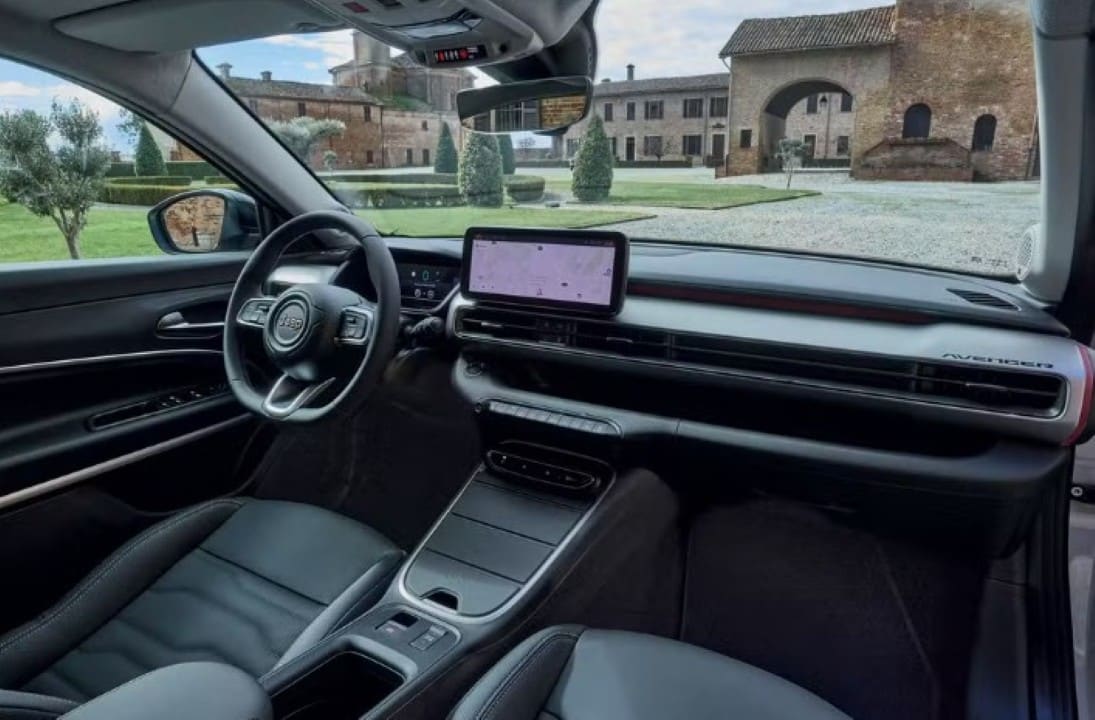
The vehicle validation process requires thousands of kilometers driven in real conditions of use on highways and urban roads in different states of the country. Protótipos camouflaged vehicles have been undergoing intensive testing for several months, allowing the engineering team to collect essential data on the car’s dynamic behavior under high temperatures and heavy traffic. Technical evaluations resulted in important structural modifications in relation to the original European model, guaranteeing the durability required by local drivers. The suspension received a specific calibration and was considerably raised to deal with uneven asphalt, ditches and negotiate urban obstacles with greater ease without scraping the floor. The interior of the cabin has also undergone careful revisions to accommodate the technology and comfort packages required by today’s regional consumer. The fully digital instrument panel and the multimedia center with a ten-inch touch screen are part of the standard connectivity package. The advanced driving assistance systems have been meticulously tuned to recognize road signs and traffic patterns specific to national roads, ensuring maximum occupant safety in emergency situations.
Market dynamics and direct competition
The arrival of the compact sports utility vehicle intensifies the competition for customers in one of the most profitable and busiest categories in the contemporary automotive industry. The model will face strong, already established competitors, requiring an aggressive pricing policy and rich equipment packages starting from the most basic entry-level versions. Nationalized production provides the necessary financial maneuvering room for the automaker to quickly adjust its commercial strategy in response to the movements of rival brands in retail.



