
Automaker Honda announces opening of reservations for innovative compact electric vehicle focused on the Asian market


The Asian manufacturer confirmed the opening of the order period for its latest battery-powered car, falling into the ultra-compact vehicle category, with deliveries scheduled for the coming months on the Asian continent. The measure represents a strategic advance in the company’s operations, which seeks to align its portfolio with global clean mobility requirements and serve the local consumer who travels daily through narrow and congested roads. The unprecedented model combines the traditional practicality of Japanese microcars with a propulsion system completely free of polluting emissions, creating a viable alternative for daily traffic in large cities. The engineering applied to the project prioritizes energy efficiency without compromising the cabin’s internal space, an essential factor for product acceptance.
The development of this car meets strict engineering and sustainability criteria. The automaker’s main focuses include:
– Redução of the total weight of the structural chassis.
– Otimização of lithium-ion battery power consumption.
– Maximização of usable space for occupants and luggage.
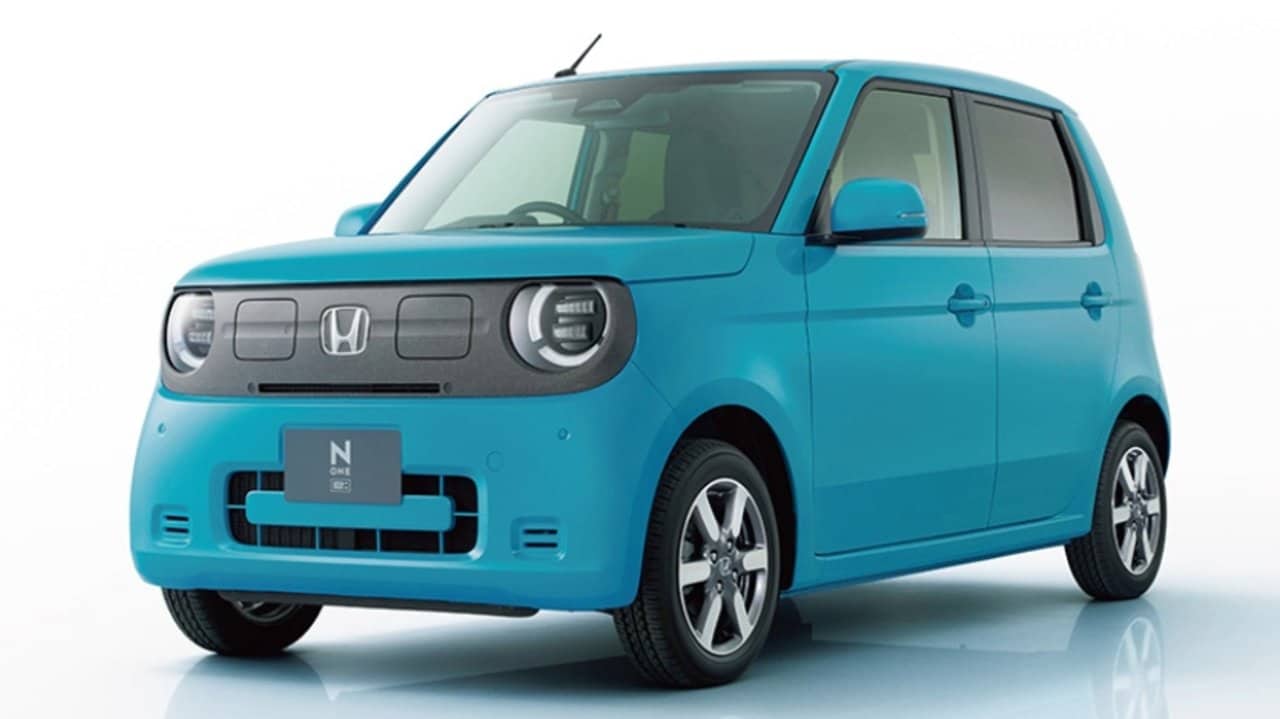
Initial public acceptance demonstrates a heated interest in transportation solutions that do not require fossil fuels. The urban infrastructure of Asian cities directly favors the adoption of reduced dimensions in daily traffic.
Importance of the microcar category in Ásia
Small cars form the backbone of the fleet circulating in Japan, corresponding to a significant share of the annual registrations registered by dealerships. Local legislation establishes strict limits on the length, width and volumetric capacity of the engine so that owners are entitled to tax exemptions and facilities when registering the license. Essa tax and spatial configuration has shaped drivers’ preferences over the decades, making the transition to the electric matrix a logical and necessary step towards modernizing the national fleet.
The conversion of this specific fleet to electric systems directly meets government plans to reduce the carbon footprint by the end of the decade. The narrow streets and the scarcity of parking spaces in shopping centers require vehicles with a short turning radius and easy maneuverability, characteristics inherent to this segment. By replacing combustion engines with batteries, the automotive industry is able to maintain dimensional advantages while eliminating exhaust gas emissions during daily commutes.
Corporate strategy for fleet electrification
The automaker’s management has established an aggressive schedule for the gradual replacement of its internal combustion engines. The current launch serves as a centerpiece within a broader ecosystem of sustainable products.
Corporate investments go beyond the assembly line and reach the development of fast charging networks. The company works to research more efficient chemical components for solid-state energy storage.
The domestic market serves as a real-time testing laboratory for validating new driving assistance technologies. The data collected by the sensors in these compact vehicles will guide the engineering of larger models in the future.
Technical specifications and functional design
The architecture of the new car was designed from scratch to accommodate the battery pack in the floor. Essa layout lowers the center of gravity and improves directional stability on highways.
The optical assembly uses light-emitting diode technology to reduce the electrical consumption of the lighting system. The aerodynamics of the body received adjustments in the wind tunnel to reduce frontal drag.
The instrument panel adopts high-resolution digital screens to provide information about energy flow and remaining range. Connectivity to mobile devices allows remote monitoring of charging status.
The materials used in the internal lining prioritize recycled components and highly durable synthetic fabrics. The ergonomics of the seats are designed to minimize fatigue in prolonged traffic jams.
Expansion of urban charging infrastructure
The commercial viability of any battery-powered vehicle intrinsically depends on the availability of electrical supply points spread across the road network. Autoridades government and private consortiums formed strategic alliances to multiply the number of fast charging stations on highways, supermarkets and residential buildings. The standardization of plugs and the implementation of unified payment systems via cell phone applications simplify drivers’ routines, eliminating the range anxiety that historically kept potential buyers away. Além In addition, state subsidies cover part of the costs of installing home chargers, encouraging owners to refuel their cars during the night, when the electricity grid tariff is lower and the general demand for the interconnected system is considerably lower.
Price dynamics and government incentives
The initial acquisition cost remains the main barrier to the mass popularization of electrical technology. Para To circumvent this financial obstacle, the public authorities offer direct rebates on the value of the invoice.
Exemption from tolls on expressways and access to exclusive traffic lanes are among the non-financial benefits granted to owners. The sum of these advantages accelerates the return on the investment made in purchasing the asset.
Competition in the clean mobility sector
The segment attracts the attention of rival manufacturers who are also preparing launches with similar size and price proposals. The fight for market share forces profit margins to reduce and accelerates the pace of technological innovation among Asian brands.
Sustainability and emissions reduction
The replacement of thousands of gasoline engines with electric engines has an immediate effect on the air quality in large urban centers. The absence of mechanical noise also contributes to reducing noise pollution on heavily trafficked roads.
The recycling of batteries at the end of their automotive useful life already has established industrial protocols. The storage modules are reused in stationary solar energy systems before the chemical components are definitively disposed of.
Adaptation of industrial assembly lines
The portfolio transition requires a profound restructuring of the company’s manufacturing facilities, which operated for decades focused on machining engine blocks and mechanical gearboxes. Industrial complexes undergo robotic upgrades to handle the safe handling of high-voltage components and the installation of heavy power cell packs. Workforce training represents a massive investment in human capital, ensuring that workers acquire the skills necessary to operate in the new era of sustainable automotive manufacturing.
The supply chain is also undergoing drastic changes with the entry of new suppliers specializing in semiconductors and refined ores. Battery transportation logistics requires strict safety protocols due to the risk of thermal instability during movement between the component factory and the final assembly line. Essa industrial reconfiguration strengthens the local economy by creating jobs focused on cutting-edge technology, while the assembly plant guarantees the productive autonomy necessary to meet the volume of reservations registered by dealerships.



