
Capcom structures the release of Resident Evil 9 and 10 with new remakes to expand the franchise
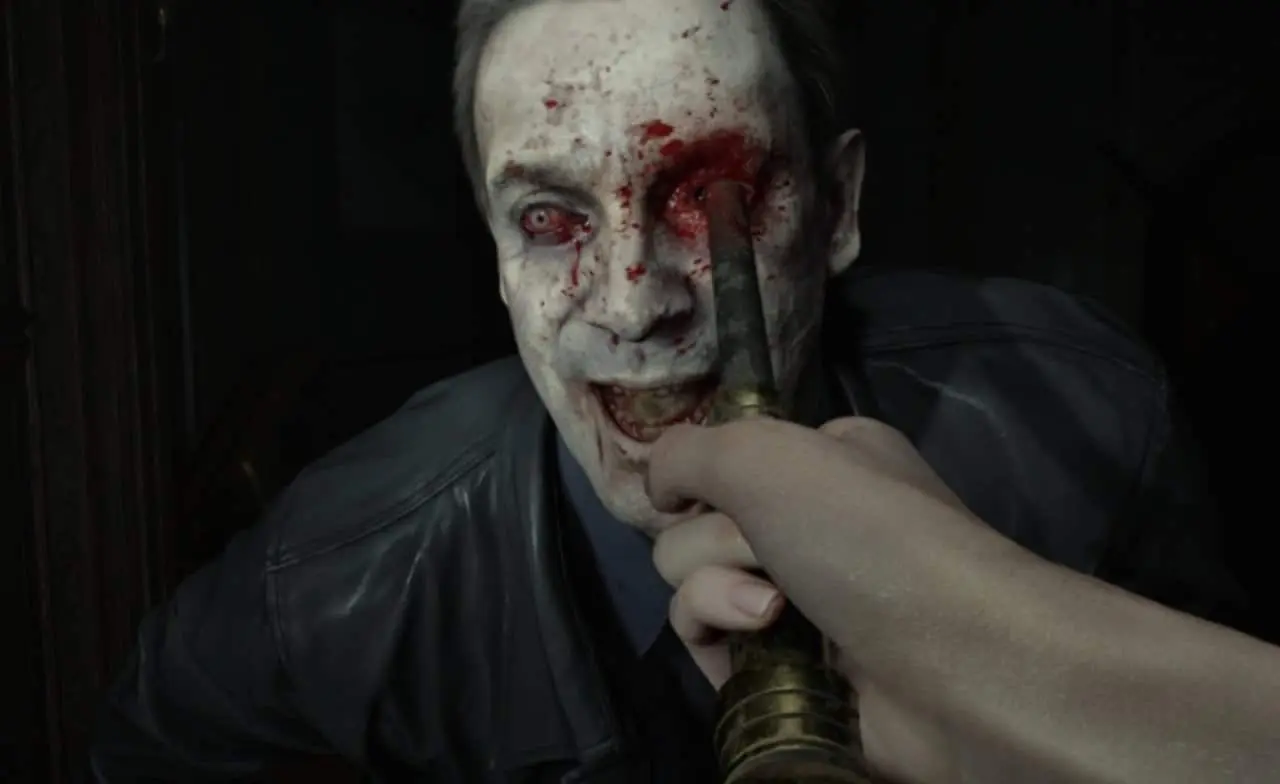
The Japanese developer behind one of digital entertainment’s most lucrative intellectual properties has set an aggressive timeline for the next decade. The company’s strategic planning involves the simultaneous production of multiple projects within the survival horror genre, aiming to consolidate its position in the global video game market and avoid long periods without news for consumers.
The main focus of this initiative lies in continuing the main line of the series, with the active development of the next two numbered chapters. The producer’s intention is to maintain a cadence of releases that intersperses new titles with recreations of classic games, optimizing resources and maintaining the engagement of the player base.
To sustain this production volume, the company implemented specific operational guidelines. Entre the main measures adopted are the expansion of internal development teams, the constant updating of its proprietary graphics engine and the creation of an ecosystem for sharing digital resources between the company’s different studios.
The strategy also aims to mitigate the financial risks associated with developing high-budget games, known as AAA. By balancing the innovation of new titles with the commercial security of recreations, the corporation projects stable cash flow and continued growth of its market share in the interactive entertainment sector.
Development and innovations in technical infrastructure
The technological basis for all future projects in the franchise continues to be the company’s proprietary graphics engine, which has undergone significant updates to support the demands of the current generation of hardware. Esta tool allows developers to achieve high levels of visual fidelity, with advanced lighting, physics and texture rendering systems, essential to the atmosphere of the genre.
In addition to graphic quality, the technical infrastructure was designed to facilitate the portability of games between different platforms, including desktop consoles, computers and high-performance mobile devices. Essa flexibility reduces development time and allows the publisher to reach a wider audience simultaneously across multiple digital ecosystems.
Learn more: Epic Games platform releases twelve high-budget games at no permanent cost for PC users
Structural changes with the ninth chapter of the series
The ninth mainline game represents an inflection point for the series’ traditional mechanics. Informações behind-the-scenes footage indicates that the project will adopt an open-world approach, moving away from the strictly linear level design or limited interconnected areas that have characterized previous entries in the franchise.
The transition to wider environments requires a reformulation of the enemies’ artificial intelligence systems and the distribution of resources across the scenario. The design team works to ensure that map expansion does not dilute the signature intellectual property tension while maintaining a balance between exploration and inventory management.
This title will act as a testing ground for new interaction technologies and environmental storytelling. The success of these implementations will dictate the quality standard and gameplay guidelines for subsequent projects, establishing a new paradigm for survival horror games in the industry.
Strategic planning for the tenth game
The tenth numbered chapter of the franchise is already in the early stages of conceptual planning, with an internally projected release window of the year 2029. Este long-term schedule allows the team of writers and art directors to structure a cohesive narrative that ties up loose ends left by previous titles.
Understand the case: Capcom announces Resident Evil 9 with open world and return of Leon in Asia
The importance of this launch is magnified by the fact that it coincides with the period in which intellectual property will complete more than three decades of existence. The corporation treats the project not just as another commercial product, but as a historical milestone that should celebrate the legacy of the series while introducing definitive elements for its future.
To meet market expectations, production involves the collaboration of industry veterans who participated in the creation of the first games. The presence of these professionals aims to ensure that the original essence is preserved, even with the adoption of modern technologies and new camera perspectives or combat mechanics.
Full coverage: News (EN)
From a financial point of view, industry analysts predict that this will be one of the largest single investments in the publisher’s history. The budget allocation covers not only software development, but also a global marketing campaign designed to transcend traditional video game audiences.
Recreations of classics and modernization of the catalog
In parallel with the new titles, the company’s strategy relies heavily on modernizing its previous catalog through complete recreations. Projects currently in focus include updated versions of games that explore the origins of corporate storytelling and developments in isolated facilities. The goal of these recreations is to align gameplay, controls and audiovisual presentation with the standards established by recent remakes, ensuring that new consumers can experience the full chronology of the story without the technical barriers of obsolete hardware.
The decision to invest in these specific recreations responds to a documented demand from the gaming community and a commercial need to maintain the relevance of classic characters. By using the same graphical infrastructure as the main games, the producer is able to optimize the development cycle, reusing three-dimensional models, animations and lines of code. Esta operational efficiency results in higher profit margins and allows the company to maintain a constant presence on physical shelves and digital stores, filling gaps in the calendar between major numbered launches.
More on this story: Rumor suggests that Nintendo is preparing a special edition of the Switch 2 with a remake of Ocarina of Time
Brand expansion beyond traditional video games
The corporate vision for the franchise extends far beyond interactive software development, encompassing a transmedia approach designed to solidify the brand in global pop culture. Este expansion plan involves coordinating efforts with film studios, streaming platforms and licensed product manufacturers to create a seamless entertainment ecosystem. The strategy determines that the launches of new film adaptations, animated series and collectible lines are synchronized with the arrival of games on the market, creating a feedback marketing cycle. The company’s licensing department works closely with game directors to ensure that all external representations of intellectual property maintain the visual fidelity and narrative tone of the source material. Esta Portfolio diversification not only generates additional revenue streams independent of game sales, but also acts as a new user acquisition tool, attracting viewers from other media to consume core interactive products.
Positioning in the digital entertainment market
The rigorous execution of this release schedule and multimedia expansion positions the developer to maintain an undisputed leadership in the survival horror segment, ensuring financial stability and continued appreciation of its shares in the global technology and entertainment market.
More news in News (EN)
See more → Samsung releases new system update with new features for Galaxy Watch 4 users
 Digital retail reduces the value of the Galaxy S25 5G smartphone with bank bonuses and device exchange
 Amazon’s wireless CarPlay adapter has a 50% discount and high approval ratings from drivers
 Zach Cregger’s new Resident Evil ignores games and focuses on an unprecedented story with new characters
 Rumor suggests that Nintendo is preparing a special edition of the Switch 2 with a remake of Ocarina of Time
 Apple accelerates production of the iPhone 17e and develops new Air model with dual camera system
 Epic Games platform releases twelve high-budget games at no permanent cost for PC users
 PlayStation 5 Pro price drop accelerates digital retail sales and eliminates global stocks
 New Galaxy Watch 9 firmware appears on server and confirms progress in software development
 Apple’s commemorative project tests cell phone with 1.1 millimeter edge and curved screen for 2027
 New Apple system update optimizes urgent task management for iPhone users
 Leak details hardware of the new portable PlayStation with superior graphics to the Xbox Series S
More news on Mix Vale
- 1Colby Minifie confirms Ashley Barrett’s powers in The Boys season five
- 2Napoli x Milan in Serie A with confirmed lineups and where to watch live
- 3New battery test puts Galaxy S26 Ultra ahead of iPhone 17 Pro Max in global ranking
- 4Research reveals that parents are unaware of how their children use artificial intelligence
- 5Oppo officially launches the Find X9 Ultra worldwide with Hasselblad lenses and robust battery
- 6Tim Cook reveals new iPhone and iPod prototypes in celebration of Apple’s fiftieth anniversary
- 7New edition of foldable smartphone brings gold finish to Winter Games competitors
- 8Android system receives native Gemini Nano 4 integration for offline processing on smartphones
- 9Samsung updates QuickStar module and expands visual control of the panel in the One UI 8.5 interface
- 10Leak reveals Lords of the Fallen and Sword Art Online in April’s PS Plus Essential catalog