
Central Bank orders liquidation of Entrepay due to serious financial irregularities

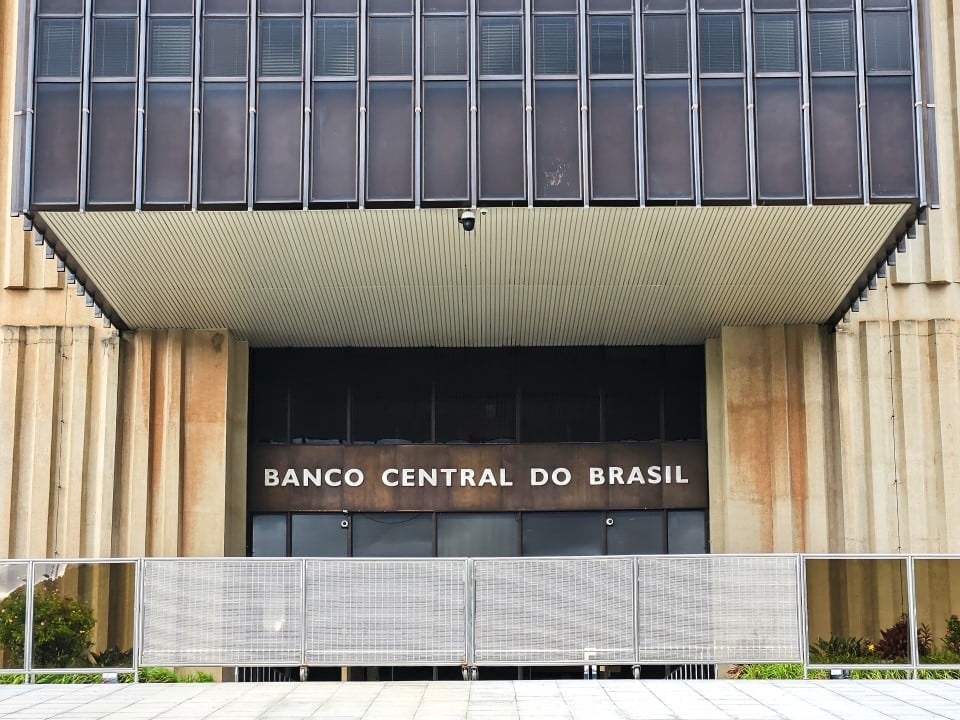
Banco Central of Brasil decreed the extrajudicial liquidation of Entrepay Instituição of Pagamento S.A., in a decision that also covers Acqio Adquirência Instituição of The measure, announced on March 27, 2026, was motivated by a significant compromise in the economic and financial situation of the leading institution and by serious violations of the regulatory standards for its activity.
The decision extends to the entire conglomerate, classified as small and classified in segment S4 of prudential regulation. In December of the previous year, Entrepay represented a tiny slice of Sistema Financeiro Nacional (SFN), with approximately 0.009% of total assets.
It is important to highlight that, as payment institutions and direct credit companies, liquidated entities do not have financial funding covered by Fundo Garantidor of Créditos (FGC). Isso implies that potential creditors and customers will not have access to the protection offered by the FGC in the event of losses.
Liquidation details and the conglomerate
Extrajudicial liquidation is an administrative process that aims to resolve companies in the financial sector that have serious problems, such as insolvency or regulatory infractions. Para to Entrepay and its subsidiaries, the measure was imposed due to losses that placed its creditors at abnormal risk.
This type of action by Banco Central highlights the importance of regulatory vigilance to maintain the solidity and credibility of the Brazilian financial system, regardless of the size of the institutions involved. The action seeks to protect the market and participants from systemic risks and inappropriate behavior.
Past issues and termination of partnerships
The Banco Central decision did not emerge in isolation, being preceded by signs of operational and financial difficulties. Há a few weeks ago, reports indicated that the company was facing significant delays in transferring amounts to retailers who used its payment machines.
These delays created uncertainty and losses for partner merchants, culminating in the termination of Banco’s partnership agreement with Nordeste on March 13. The interruption of a partnership with an institution as large as Banco of Nordeste was already a strong indication of the deterioration of the financial health of Entrepay.
Investigations and regulatory processes
The history of Entrepay and its directors also includes other important investigations. Last December, the board of Comissão of
The questioned offers totaled a huge R$21.3 million and involved several parties, including Entre Investimentos, its director Antônio Carlos Freixo Júnior, Banco Máxima (predecessor of Banco Master), Viking Participações and Daniel Vorcaro. The CVM keeps the process under analysis, indicating the complexity and scope of the regulatory investigations.
Connections with other operations and public figures
Antônio Freixo, known as “Mineiro” and director of Entre Investimentos, had already been the target of operation Compliance Zero and had his name mentioned in investigations related to Banco Master. Essas connections reinforce the seriousness of irregularities and the scope of investigations in the financial sector.
Operation Compliance Zero generally focuses on actions to combat money laundering and other financial irregularities, indicating that Freixo and, by extension, the companies linked to it, had been under scrutiny for some time. The mention in the case of Master, in turn, aligns the situation of Entrepay with a larger context of challenges and scandals in the banking sector.
Impact of liquidation and responsibilities
With the decree of extrajudicial liquidation, Banco Central stated that it will continue to take all appropriate measures to determine responsibilities. The process may result in the application of administrative sanctions and communication to the competent authorities, following the applicable legal provisions.
One of the immediate consequences is the unavailability of the assets of the controllers and former administrators of the institutions that were liquidated. Essa measure aims to ensure that those responsible are held accountable for their actions and that assets are preserved to try to mitigate losses to creditors.
Precedents and surveillance of the financial system
Banco Central’s action serves as a stark reminder of the constant need for vigilance and compliance in the financial system. Mesmo small institutions, which represent a minimum fraction of the SFN, are subject to rigorous supervision to maintain market integrity.
The history of problems and investigations, from delays in transfers to processes at the CVM and mentions in larger operations, demonstrates a pattern of conduct that led to regulatory intervention. Extrajudicial settlement is a crucial tool for Banco Central to ensure that market players act within the rules and to protect consumer and investor confidence.



