
Consumers demand the return of a family version of the Toyota Prius with seven seats and a hybrid engine

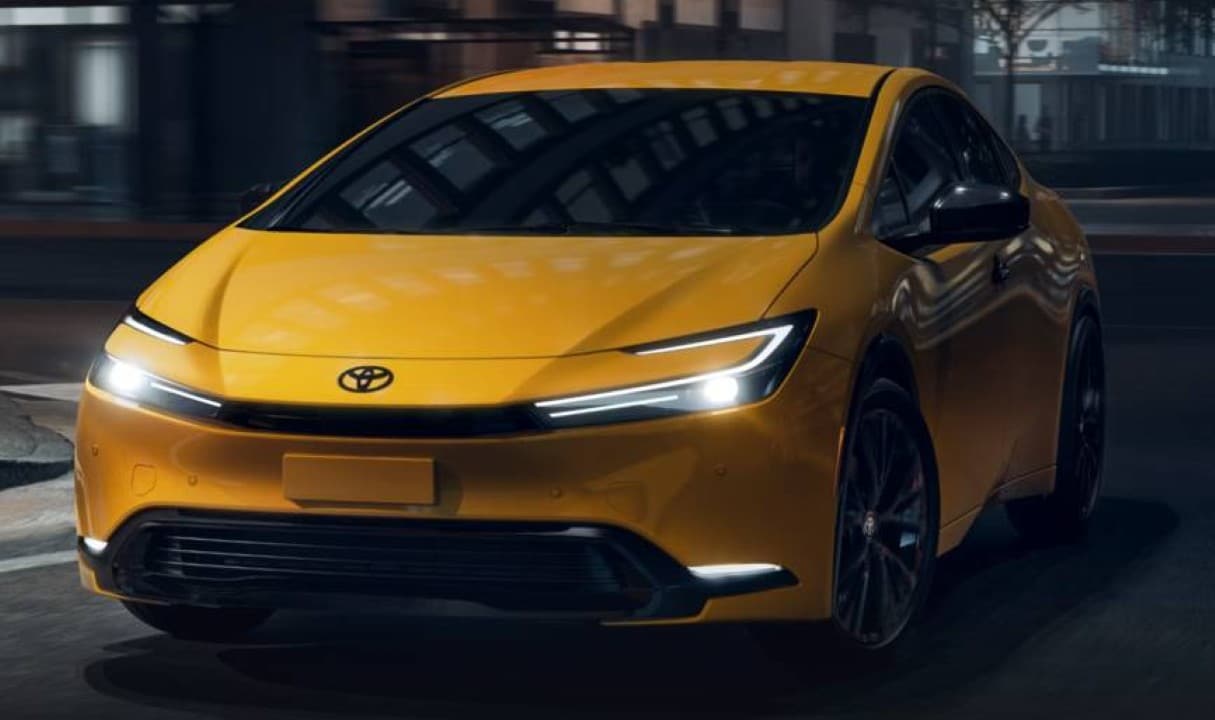
The fifth generation of the world’s most famous electrified sedan has consolidated its space in the global automotive market through a renewed aerodynamic design and high energy efficiency, generating an unexpected movement among consumers who are now putting pressure on the automaker for a family variant. The growing interest points to the need for a direct successor to the Alpha model, a seven-seater station wagon sold over the last decade. The target audience seeks to combine the low fuel consumption of the self-loading system with the internal space necessary to transport large families, something that current sports utility vehicles only partially deliver due to greater weight and aerodynamic drag.
The gap left by the end of production of the original minivan forced drivers to migrate to other options within the brand’s portfolio. Veículos compact-sized or square-shaped vans began to absorb this specific demand, although they do not offer the same visual and dynamic appeal.
The current scenario of the automotive market presents some main alternatives for this buyer profile, which end up requiring concessions:
– Modelos compacts that focus on urban practicality, but limit luggage space when fully occupied.
– Minivans traditional models that offer ample vertical space, but sacrifice aerodynamics and fuel consumption on highways.
– Utilitários sports cars that have greater width and height, which can make maneuvering on narrow roads and old garages difficult.
Engenharia automotiva adapta plataforma para maximizar espaço interno
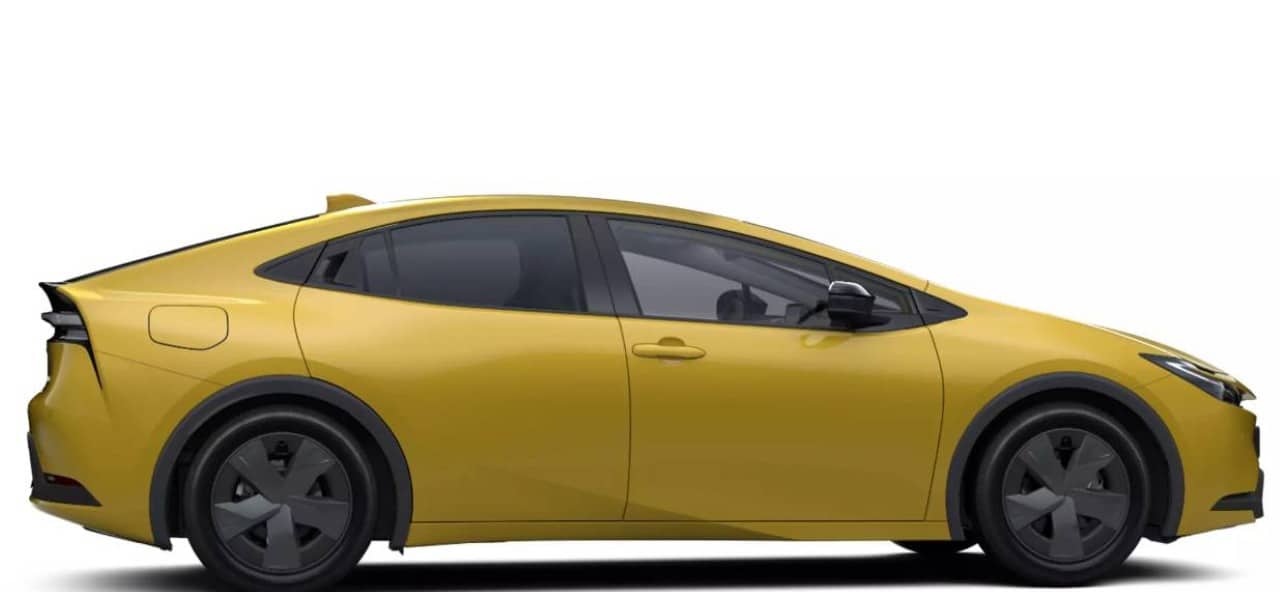
The development of a new extended version requires creative engineering solutions to accommodate three rows of seats without compromising the original vehicle’s characteristic flowing silhouette. Market projections indicate a body measuring approximately 4,615 millimeters long, 1,775 millimeters wide and 1,575 millimeters high, keeping the center of gravity low to optimize driving.
The interior architecture will need to relocate vital components of the electrified system to ensure the comfort of all occupants. One of the technical strategies involves positioning the battery pack under the front seats or integrated into the center console, freeing up the rear floor for the installation of additional seats and luggage accommodation.
Evolution of the hybrid system delivers greater energy efficiency
The mechanical set expected for the new family vehicle is based on the 2.0-liter engine already present in the current generation of the sedan. Esta configuration combines an optimized internal combustion engine with high-capacity electric drives, resulting in an ideal balance between rapid acceleration and fuel economy in everyday use.
The transition to this new mechanic represents a significant technological leap compared to the model discontinued at the beginning of the decade. The combined power of the current system exceeds the old specifications, ensuring that the extra weight of seven passengers does not impair dynamic performance on highways or urban roads with steep inclines.
The regenerative braking system has also undergone major upgrades, capturing a substantially greater amount of kinetic energy during decelerations. Essa electricity quickly returns to the lithium-ion batteries, extending autonomy in pure electric mode and reducing polluting gas emissions in heavy traffic areas.
Consumer behavior drives away preference for sports utility vehicles
A significant portion of drivers show fatigue in relation to the absolute dominance of sports utility vehicles on the streets and garages of large urban centers. The large size of these vehicles, although conveying a feeling of security, creates practical difficulties in everyday life, especially in parking spaces designed for conventional passenger cars.
The search for aerodynamic station wagons and minivans is reemerging as a rational response to families’ daily transportation needs. The elongated and lower body shape offers handling similar to that of a hatchback, preventing excessive body roll in tight curves and providing a more stable ride.
The financial factor also directly influences this change in behavior at dealerships. Veículos with lower aerodynamic drag and contained weight require less effort from the engine, which translates into less frequent visits to gas stations and less premature wear of periodic maintenance components, such as tires and brake pads.
The preference for more elegant and less aggressive designs reflects a maturity in the global consumer market. The functional aesthetic, where form follows the need to cut through the wind efficiently, attracts buyers who value smart engineering above robust appearance and often unnecessary for strictly urban and highway use.
Global architecture ensures safety and directional comfort
The use of the automaker’s global modular platform serves as the primary structural basis for the possible expansion of the electrified product line. Esta construction base stands out for its high torsional rigidity, a fundamental characteristic for maintaining the directional stability of a longer and heavier vehicle during emergency evasive maneuvers. The independent rear suspension, combined with this rigid structure, filters asphalt imperfections with millimeter precision, ensuring that passengers in the third row do not suffer from excessive jolts, a chronic problem in family vehicles derived from light commercial vehicle platforms.
The cabin’s acoustic insulation receives special attention in this modern architecture, blocking noise from tire rolling and the action of wind against the body at high speeds. The integration of laminated glass and high-density sound-absorbing materials in the fire panel creates a silent interior environment, facilitating clear communication between occupants in the first and last row of seats. Esse level of technical refinement brings the family model closer to premium category vehicles, justifying the public’s continued interest in a product that can balance daily versatility and on-board sophistication.
Automotive market transition prioritizes smart mobility solutions
The global automotive industry is going through a period of profound restructuring, where total electrification shares space on assembly lines with highly efficient transition technologies adapted to the realities of different countries. The organic demand for a seven-seater vehicle with a self-charging hybrid engine shows that many consumers still do not have adequate home charging infrastructure to adopt purely electric cars, but want to drastically reduce their carbon footprint and their monthly expenses. The development of an aerodynamic station wagon addresses exactly this logistical bottleneck, offering the freedom to undertake long journeys without the range anxiety generated by the lack of charging stations, whilst providing exceptional consumption averages in congested urban traffic. The strategy of maintaining a diversified portfolio, which includes electrified family options without exclusive dependence on sockets, demonstrates a pragmatic reading of the real conditions of road infrastructure and the purchasing power of the middle class, consolidating loyalty to the brand and establishing a standard of sustainable, accessible mobility and aligned with contemporary demands for space and economy.
Launch expectations move the dealership sector
The distribution network optimistically awaits official decisions from the head office on the definitive expansion of the product line. The introduction of a family model with bold design and cutting-edge hybrid technology has the potential to attract customers who currently do not find satisfactory options on the market, boosting sales volume and renewing the demographic profile of shoppers in stores.




