
Games industry awaits announcement of Nintendo’s new console with advanced hardware and new games


The electronic entertainment sector closely monitors the Japanese manufacturer’s movements regarding the successor to its hybrid device. Speculation about the imminent revelation of the new equipment dominates technology forums and specialized hardware portals, indicating an imminent generation transition.
Software developers and component manufacturers point out that the production line is already preparing for distribution on a global scale. The transition period between platforms requires rigorous logistical planning to meet initial demand and avoid shortages of products on international retail shelves.
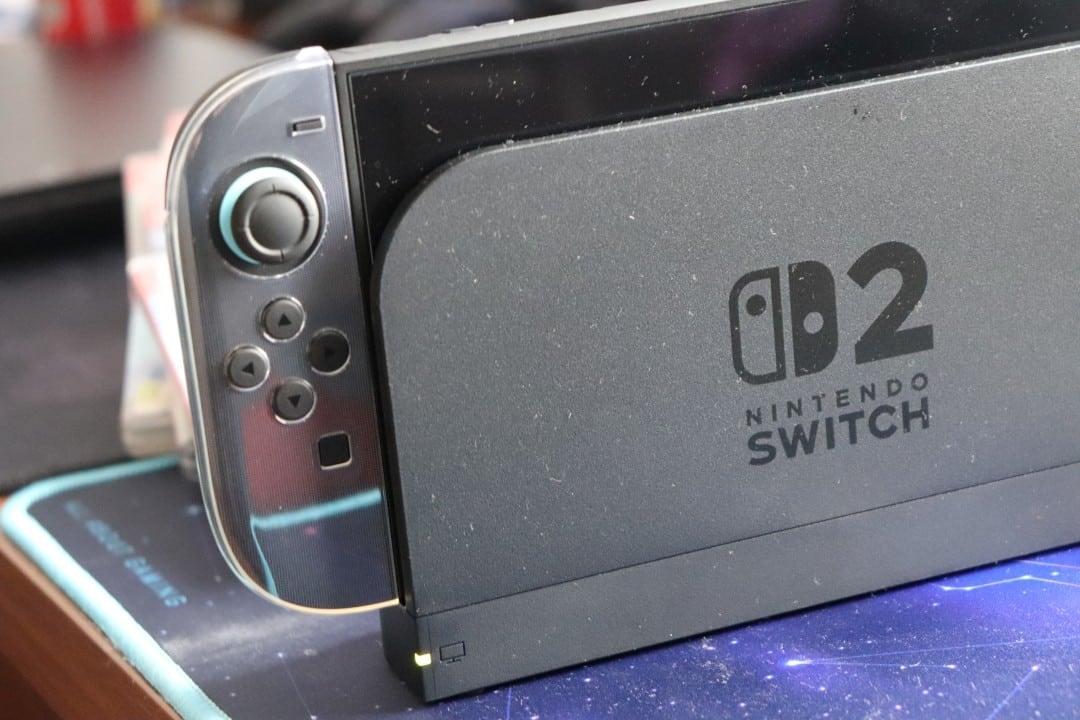
The current model, available on the market since 2017, shows signs of technical fatigue when running recent multiplatform titles. Este scenario accelerates the need for a hardware update for the company to maintain its competitiveness in the sector, offering a platform capable of handling modern graphics engines.
Advances in graphics processing and artificial intelligence integration
The leaked technical details of the supply chains point to a partnership maintained with Nvidia to supply the main chip. The custom processor, supposedly derived from the Tegra line, promises a substantial leap in raw performance, allowing the execution of denser and more complex virtual worlds.
The main technological addition involves native support for Deep Learning Super Sampling (DLSS). Esta upscaling tool uses artificial intelligence to improve image resolution without overloading the system’s physical components, optimizing the use of memory and central processor during gaming sessions.
The application of this technology allows the portable device to deliver visuals comparable to those of more robust desktop equipment. The strategy prevents rapid battery drain, a critical factor for the user experience in portable mode, ensuring hours of continuous use without compromising graphical fidelity.
Distribution of development kits to partner studios
Software creators already have access to preliminary versions of the new hardware to adapt their graphics engines and test new mechanics. The distribution of these development kits is a standard step in the industry, occurring months before the official launch to guarantee a strong initial catalog.
Adapting existing projects and creating exclusive titles directly depends on this early access to final specifications. Programadores report a friendly and familiar architecture, which facilitates the process of porting games originally designed for high-performance competing platforms.
Software strategy and system backward compatibility
User base migration requires a robust library of games available from day one of sales. The manufacturer traditionally aligns its hardware launches with the arrival of new iterations of its most famous franchises, ensuring immediate appeal for the most loyal consumers.
Preservation of the digital library acquired by users on the current console is a central point of technical and commercial discussions. Backward compatibility ensures that consumers do not lose access to their previous investments, facilitating the decision to purchase new equipment immediately during its launch period.
In addition to the ability to run older titles, there is the expectation of performance upgrades that improve the frame rate and resolution of these games. Esta practice adds immediate value to new gear without the need for repurchases, encouraging quick transition from the gaming community.
Third-party studios also plan to bring extensive catalogs to the platform, taking advantage of increased processing capacity. Jogos that previously required cloud-based versions to work on the hybrid system will be able to receive native conversions, improving stability and the overall experience.
Physical components and device screen improvements
The visual experience in handheld mode receives special attention in the hardware specifications discussed by technology industry analysts. The adoption of an OLED panel in the initial version is considered highly likely, following the commercial success of the premium revision of the current model. Esta display technology delivers absolute blacks and more vibrant colors, and is more energy efficient compared to traditional LCD screens. The physical dimensions of the screen may also undergo a slight increase, reducing the edges of the device to maximize the useful area without drastically changing the overall size of the console, maintaining ergonomics and ease of transport.
The control mechanisms attached to the sides of the screen have undergone ergonomic and functional revisions to correct historical wear problems on internal components. Patentes recently registered details magnetic fitting systems and new analog sensors that promise greater durability and precision in commands. Internal storage capacity is another component tipped for a significant upgrade, moving away from the restrictive limits of the previous generation to accommodate the growing size of modern game installation files, reducing consumers’ immediate reliance on external memory cards.
Strategic positioning in the face of competition in the electronic entertainment sector
The arrival of a new platform occurs during a period of stabilization in the market for high-performance consoles from rival manufacturers. Instead of competing directly for raw processing power, the Japanese manufacturer maintains its historical philosophy of prioritizing versatility of use and the exclusivity of its software ecosystem. The hybrid concept, which allows you to switch between a television connected to a dock and strictly portable use, has proven to be a highly resilient business model against advances in conventional mobile devices. The new hardware aims to capture both the enthusiast audience seeking graphical upgrades and the casual consumer who values the convenience of gaming in any environment. The pricing strategy will play a fundamental role in this positioning, requiring a delicate balance between the cost of advanced components and the final value passed on to retailers. The financial success of the operation depends on rapid adoption by the current user base, which exceeds the mark of tens of millions of active devices globally, ensuring the continuity of the ecosystem.
Expectations for the official announcement and production schedule
The financial market and investors monitor the company’s fiscal reports for concrete signs about the start of mass production. Linhas assembly plants at
Ecosystem expansion and digital signature services
The online infrastructure and digital signature services are undergoing restructuring to support the new generation of hardware and the increase in data traffic. The recurring revenue model has become a fundamental pillar for the financial stability of companies in the gaming sector, complementing the sale of physical products.
The inclusion of classic games from older platforms and exclusive benefits for subscribers should be expanded to attract a greater volume of returning users. The fluid integration between the physical console and networked services defines the modern standard for digital entertainment consumption, requiring more robust servers and optimized interfaces.
Impact on global supply chain and suppliers
Demand for specific components, such as high-speed memory chips and long-lasting batteries, drives a complex global supply chain. Fabricantes of parts adjust their production forecasts based on volume orders placed by the Japanese company, directly impacting the semiconductor market.
Global distribution logistics require sea and air transport contracts signed months in advance to ensure on-time delivery. Precise coordination of these elements ensures a simultaneous launch in multiple key territories, maximizing initial commercial impact and establishing the installed base necessary to attract ongoing support from third-party development studios.




