Google launches multitasking function with balloons in the new Android 17 Beta 3 for Pixel devices
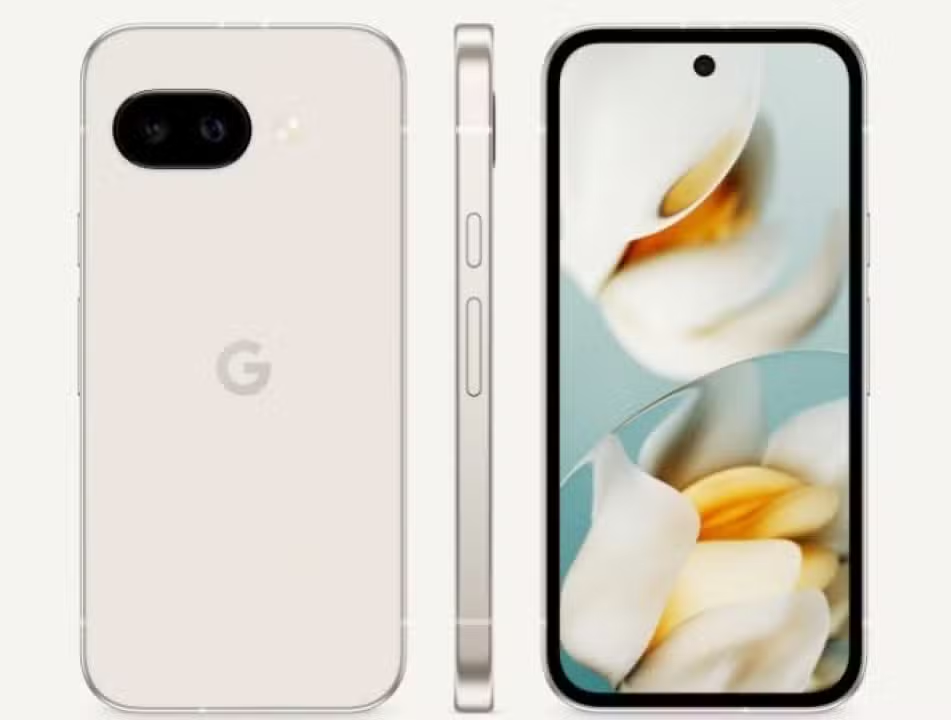
Google has officially released the third test version of Android 17, bringing a significant evolution to the multitasking system for mobile devices. The main new feature of this update is the expansion of the feature known as “Bubbles”, which was previously limited almost exclusively to messaging apps like Google Messenger. Agora, the system allows practically any application installed on the device to be transformed into a quick-access floating window, facilitating switching between tasks without interrupting the main navigation.
This functionality was fully integrated after going through several periods of internal testing and leaks in preliminary versions of the operating system. The central objective of Gigante of Buscas is to improve the user experience, especially on devices with larger screens, such as tablets and foldable smartphones from the Pixel line. With the arrival of the Android 17 Beta 3, users gain a native tool that fills a productivity gap that previously depended on customized solutions from other manufacturers.
- The feature allows you to minimize apps into floating circular icons.
- Activation occurs by long-pressing the desired app icon on the home screen or menu.
- You can stack multiple bubbles to switch between different tools quickly.
- The function is terminated by dragging the icon to the bottom of the device screen.
The definitive implementation of this tool in Android 17 Beta 3 represents a milestone for user autonomy in managing their simultaneous activities. Unlike previous versions, where only important contacts appeared in bubbles, now productivity is the focus, allowing calculators, notes or browsers to always be at hand. Essa change is seen as a strategic step to consolidate Pixel 10 Pro Fold as an efficient and competitive work center in the global market.
Expansion of the functionalities of the floating window system
The new floating window dynamics in the Android 17 Beta 3 are designed to be intuitive and unobtrusive during everyday smartphone use. Quando an application is transformed into a bubble, it occupies a reduced space on the side of the screen and can be moved freely by the user so as not to interfere with the viewing of other content. When tapping the icon, the application expands into a “picture-in-picture” mode window, allowing full interactions without the need to open the app in full screen.
This technical advancement addresses a long-standing issue of fragmentation in the multitasking experience within the pure Android ecosystem. Anteriormente, users of foldable devices missed a more agile way to quickly consult information while performing other main operations. With the current update, the fluidity of the operating system reaches a new level, ensuring that the transition between windows occurs instantly and without processing bottlenecks.
Integration into large-screen devices and foldable models
Optimizing for large screens is where Android 17 Beta 3 really shines with the new bubble system. Dispositivos like the Pixel Fold and high-end tablets take advantage of the extra space to keep multiple applications active simultaneously at the edges of the screen. Isso eliminates the frequent need to use split-screen mode, which is not always compatible with all applications or comfortable for quick reading.
The interface automatically adapts to the device’s shape, ensuring that the floating window control buttons are always accessible to the user’s fingers. Para technology enthusiasts and managers who use their cell phones as a work tool, this update reduces the number of taps needed to complete simple tasks. The system’s precision in maintaining the application state within the bubble ensures that no information is lost during minimization.



Procedure for activating the feature in compatible applications
To use the new multitasking, the user must identify the compatible application and press and hold its icon. A new contextual menu will appear, displaying a symbol that refers to the action of minimizing or creating an independent floating window. Após the click, the application immediately turns into a bubble that remains visible over any other interface that is currently being used.
Managing multiple tasks has become a simplified process, as the system allows you to group different bubbles in a single point on the screen. Isso organizes the visual environment, preventing several icons from being scattered and confusing the user’s navigation. Caso the user decides that they no longer need that quick access, simply keep their finger pressed on the bubble and perform the discard movement to the virtual trash can at the bottom.
- Long tap the app icon on the Android home screen.
- Selection of the minimize button to transform into a floating bubble.
- Free movement of the circular icon along the side edges of the display.
- Single click to immediately expand the window over the current content.
- Drag to the bottom center to permanently close the function.
Availability and expectations for the next versions of Android
Currently, the feature is available exclusively to users who have Pixel line devices enrolled in the Google beta testing program. The expectation is that the functionality will be refined over the next few weeks, correcting possible instabilities before the release of the final version of the operating system. Feedback from the developer community has been positive, highlighting the tool’s usefulness in data and communication intensive scenarios.
Although the initial focus was on high-performance devices and differentiated screens, devices with a traditional format also welcome the novelty with open arms. The versatility of bubbles allows even smaller screens to gain an extra layer of usefulness without compromising ergonomics. The Google signals that multitasking will be one of the central pillars of the Android 17, seeking to unify the user experience between different hardware categories.
Impact on daily productivity of mobile users
The transition from a static window model to a dynamic bubble system changes the way content is consumed on mobile. The user no longer needs to stop playing a video or filling out a form to respond to an alert or check information elsewhere. Tudo happens in an overlapping manner, keeping the flow of attention on what is priority at the moment, while secondary tools wait alongside.
Veja Tambem em News (EN)

Research reveals that parents are unaware of how their children use artificial intelligence
Samsung releases new system update with new features for Galaxy Watch 4 users
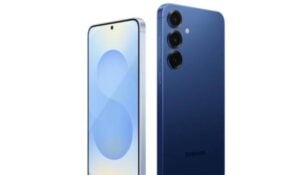
Digital retail reduces the value of the Galaxy S25 5G smartphone with bank bonuses and device exchange
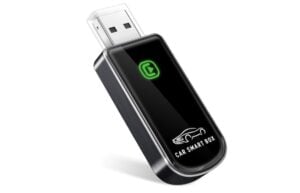
Amazon’s wireless CarPlay adapter has a 50% discount and high approval ratings from drivers

Zach Cregger’s new Resident Evil ignores games and focuses on an unprecedented story with new characters

Rumor suggests that Nintendo is preparing a special edition of the Switch 2 with a remake of Ocarina of Time
Apple accelerates production of the iPhone 17e and develops new Air model with dual camera system

Epic Games platform releases twelve high-budget games at no permanent cost for PC users

PlayStation 5 Pro price drop accelerates digital retail sales and eliminates global stocks

New Galaxy Watch 9 firmware appears on server and confirms progress in software development

Apple’s commemorative project tests cell phone with 1.1 millimeter edge and curved screen for 2027