
NASA organizes multiplatform transmission scheme for the manned flight of the Artemis II mission

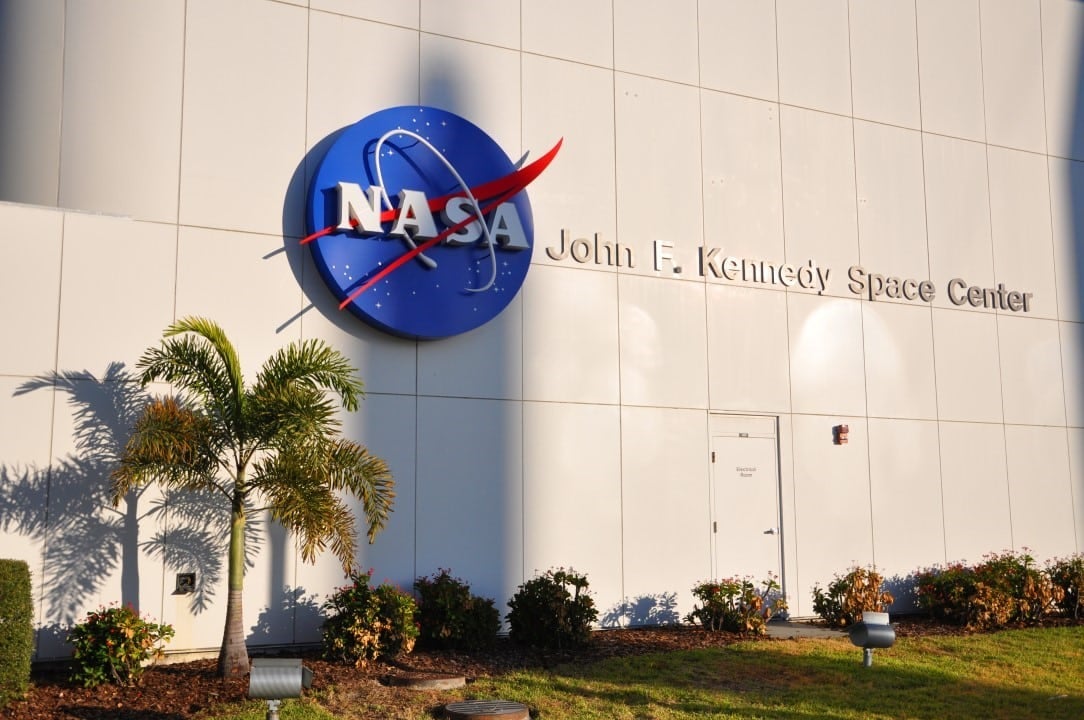
The US space agency has defined the logistical schedule and media infrastructure for the first manned flight into lunar orbit in more than five decades. The operation represents the definitive test of the life support systems of the Orion capsule, powered by the institution’s heavy-lift rocket. Planning involves a complex network of data and image capture for real-time monitoring.
The initiative aims to validate the hardware in an environment of severe radiation and prolonged microgravity. Engenheiros flight will monitor each phase of the trajectory, from launch on Centro Espacial Kennedy to the dive into the Earth’s atmosphere. The communication strategy aims to ensure that technical information is translated to the general public simultaneously.
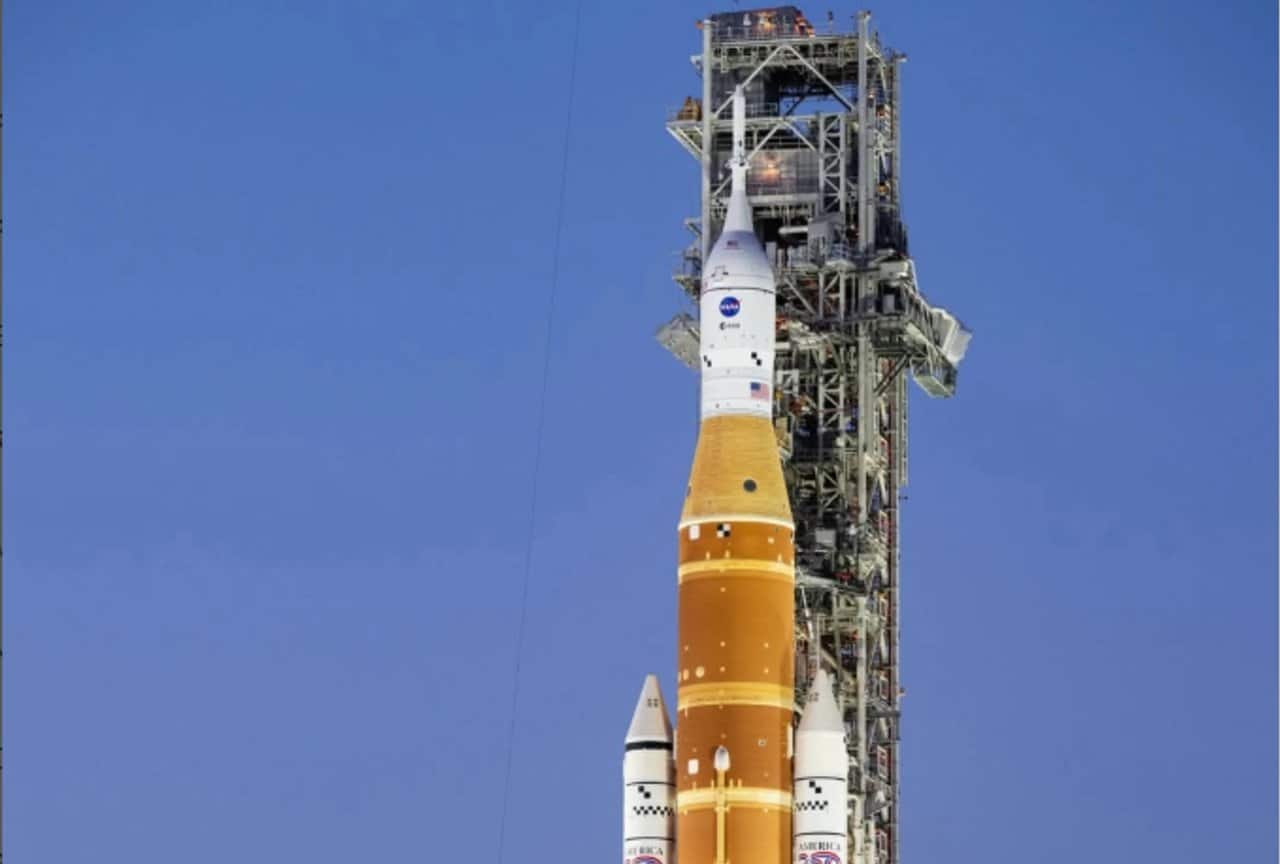
The orbital flight does not include a landing on the surface of the natural satellite, functioning as a safety certification for subsequent stages of the program. The crew will spend approximately ten days in space, evaluating the spacecraft’s maneuverability and the effectiveness of the intravehicular pressure suits.
Primary objectives of deep space operation
The mission is structured to execute a free return trajectory, meaning lunar gravity will be used to propel the spacecraft back to Terra without the need for additional ignitions of the main engines after translunar injection. Durante this route, experts on the ground will evaluate the performance of the solar panels, the heat dissipation of the radiators and the stability of the communication systems through the Rede of Espaço Profundo. The flight profile requires the spacecraft to surpass the hidden face of Lua, at which point the crew will be temporarily out of radio contact with mission control, testing the autonomy of the onboard computers.
In addition to navigation, operational objectives include checking air purification and humidity control systems within the crew module. The team will perform proximity demonstrations in space, using the rocket’s upper stage as a target for manual maneuvers. Esses procedures are essential to ensure that future commanders have the necessary dexterity to attach the Orion to landing modules or the future Gateway orbital station. The collection of telemetry data will serve to refine the mathematical models used in the design of future missions.
Intensive training of the four astronauts
The group selected for the journey includes commander Reid Wiseman, pilot Victor Glover, and mission specialists Christina Koch and Jeremy Hansen. Cada member has an extensive background in flight operations, aerospace engineering, and scientific research in a microgravity environment. The assignment of roles was based on individual technical skills and the ability to adapt to high-stress scenarios.
The preparation routine requires full dedication in high-fidelity flight simulators, which replicate everything from electrical anomalies to sudden depressurizations. Instructors insert faults into the system during tests to evaluate response speed and communication between the cockpit and ground control. Physical training is also rigorous, aiming to minimize the loss of muscle and bone mass.
Emergency procedures include water survival training, preparing the team for the moment of landing in the ocean. Navy rescue teams carry out joint exercises with the astronauts to ensure the quick and safe extraction of the capsule. The schedule also includes detailed classes on the ship’s software architecture.
The group’s cohesion is worked on through expeditions in isolated and extreme environments in Terra, such as caves and deserts. Essas activities develop leadership, conflict resolution and mutual trust. Psychological health is closely monitored by aerospace medicine experts.
Communication infrastructure and public access
The transmission infrastructure set up for the event will utilize multiple satellite dishes distributed globally to ensure a continuous stream of high definition video. Internal and external Câmeras were strategically installed on the spacecraft to capture unprecedented angles of the rocket stage separation and lunar approach. The signal will be distributed through official digital platforms and partner television channels.
Media planning includes the release of real-time telemetry data packets, allowing educational institutions and independent researchers to track the mission’s speed, altitude and fuel consumption. Especialistas in scientific communication will act as mediators during the live broadcasts. The goal is to explain physical phenomena and engineering decisions clearly.
Public access will be expanded through partnerships with science museums and planetariums, which will organize simultaneous viewing events. The agency will also make three-dimensional models of the spacecraft and rocket available for printing and use in virtual reality environments. The strategy seeks to foster interest in the disciplines of exact sciences and engineering.
Advanced engineering and propulsion systems
The launch vehicle responsible for overcoming Earth’s gravity is composed of a central liquid fuel core and two lateral solid fuel thrusters, generating thrust greater than that of missions from the last century. The rocket’s architecture was designed to maximize payload capacity, allowing heavy housing modules to be delivered in the future. The integration between the rocket and the capsule requires millimeter tolerances.
The Orion spacecraft has a heat shield constructed from ablative materials designed to withstand extreme temperatures during re-entry into Earth’s atmosphere. Return speed will require the shield to dissipate heat generated by friction with air molecules, protecting the structural integrity of the cabin. The design was previously validated in an uncrewed test flight.
Security and risk mitigation guidelines
The mission’s security architecture is based on the principle of multiple redundancy, where each critical system has at least one independent backup to take control in the event of a primary failure. The most visible element of this strategy is the launch abort system, a propulsion tower mounted on top of the capsule capable of moving the crew away from the rocket in fractions of a second if sensors detect a catastrophic anomaly on the platform or during the initial ascent phase. Dentro from the cabin, the spacesuits function like a miniature ship, providing oxygen, thermal regulation and depressurization protection for up to six days, long enough for an emergency return from lunar orbit. Monitoring of cosmic radiation and solar storms is continuous, using active detectors that alert the crew to take shelter in the most protected areas of the module if exposure levels exceed safe limits. Communication with the Centro from Controle from Missão into Antes of each critical maneuver, such as burning the engines to exit Earth orbit, the ground team performs an exhaustive check of all flight parameters, a process known as stage approval, which requires unanimous confirmation from all subsystem directors. Risk analysis ranges from the impact of micrometeorites to the degradation of electronic components, resulting in contingency manuals that cover thousands of possible scenarios. Toda This meticulous preparation reflects the agency’s absolute priority on preserving human life while expanding the frontiers of deep space exploration.
International cooperation in space development
The presence of a Canadian astronaut on the crew highlights the collaborative nature of the current space exploration program. Agências from different continents provide essential components, such as the European service module, which is responsible for providing electrical power, water and propulsion for the Orion capsule. Essa technological interdependence reduces individual costs and strengthens diplomatic agreements.
The scientific data collected during the orbital journey will be shared with the international research community. The standardization of equipment and communication protocols facilitates the integration of experiments developed by universities and laboratories in different countries. Global cooperation is considered a fundamental requirement for the long-term sustainability of operations.
Next steps in the lunar timeline
The success of the orbital operation will pave the way for the subsequent mission, which aims to perform a manned landing in the lunar south pole region. Validation of transportation hardware and deep space navigation procedures provides the engineering foundation necessary for establishing permanent infrastructure outside Earth orbit.




