
New generation of Brazil’s most popular motorcycle features an ecological engine and disc brakes on the wheels

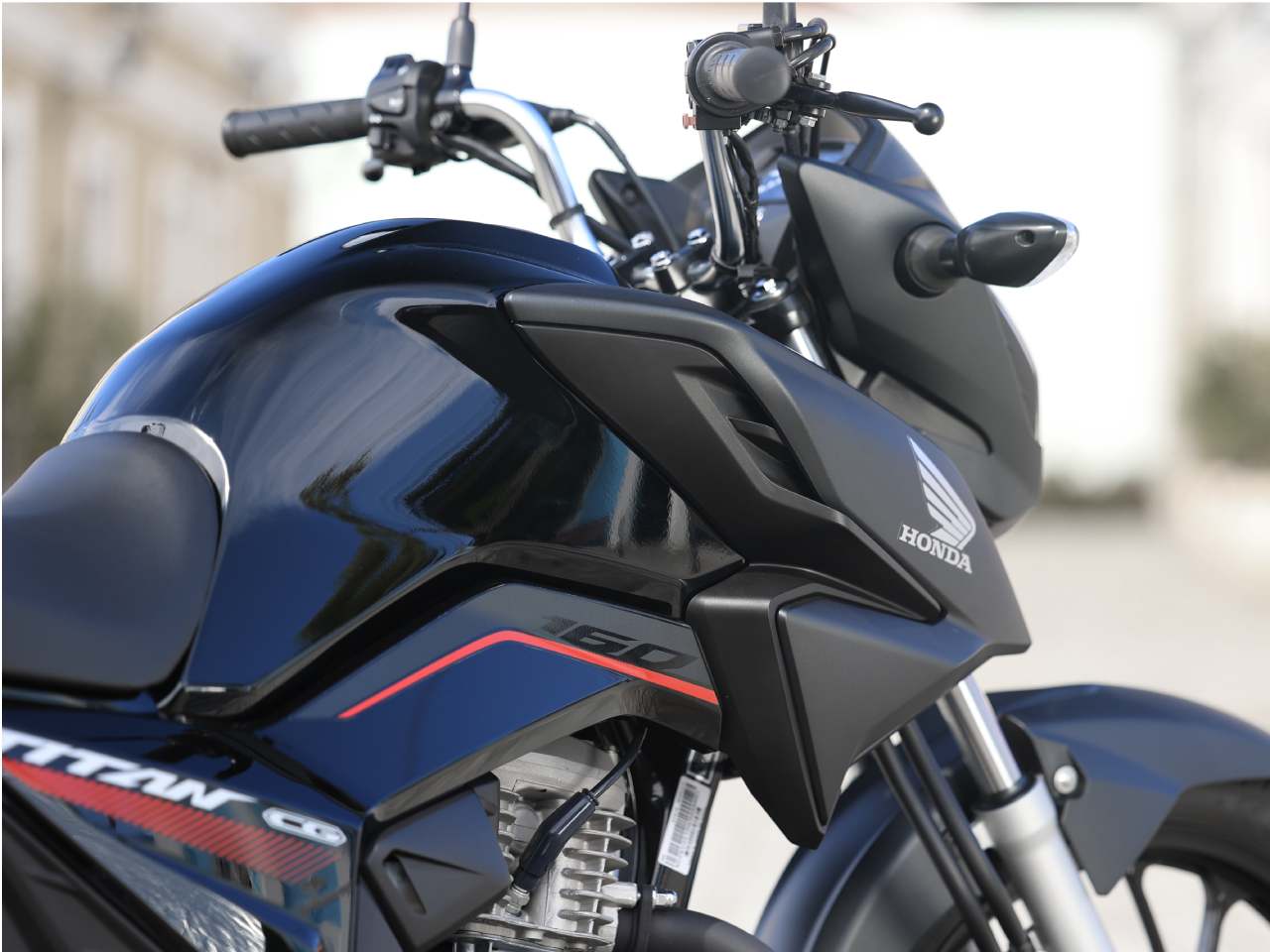
The leading Japanese manufacturer in the national market has prepared profound updates for its main two-wheeled vehicle, aiming to adapt it to strict pollutant emissions requirements. The most sold model in the country arrives at dealerships with structural modifications that range from the fairing to the propulsion system, marking a new phase in the automaker’s engineering.
Developing this upgrade required months of research in the company’s laboratories to ensure that traditional performance was not sacrificed for ecological efficiency. The engineers focused on a technical balance capable of maintaining agility in urban traffic, a fundamental characteristic sought after by motorcyclists who use the vehicle daily for commuting and work.
The implemented changes respond directly to the guidelines of Programa of Controle of Poluição of Ar by Motociclos and Veículos Similares, known as The brand’s strategy involves anticipating regulatory trends and offering a product that combines mechanical reliability with the environmental responsibility required by the new times.
Aesthetic renovation inspired by high-displacement sports models
The motorcycle’s visual identity underwent a complete redesign, adopting more aggressive and aerodynamic lines that directly refer to the renowned design of the CB 300 line. The new side fairing was sculpted to provide optimized airflow, reducing drag at cruising speeds and giving the vehicle a more robust stance. The front optical assembly received striking and angular features, modernizing the face of the motorcycle and ensuring more efficient lighting for night driving, an essential factor for the safety of drivers traveling on roads with low visibility.
In addition to the purely aesthetic changes, the chassis architecture and weight distribution have been revised to accommodate the new braking system, which now features discs on both wheels. Essa technical update represents a significant leap in the vehicle’s stopping capacity, offering greater precision and control in emergency situations or on low-grip surfaces. The adoption of double disc brakes meets a long-standing consumer demand for greater active safety, raising the standard of the utility category and bringing the model closer to higher segment motorcycles.
Propellant re-engineering for maximum energy efficiency and gas reduction
The mechanical heart of the motorcycle, a 162-cylinder single-cylinder engine, was subjected to a rigorous electronic and mechanical recalibration process. The main objective of this intervention was to adapt the emission levels to current Promot standards, without compromising the already recognized durability of the set.
Despite the more severe environmental restrictions, the engineering team managed to keep performance numbers intact. The engine continues to deliver 14.3 horsepower and a torque of 1.45 kgfm, ensuring the strength needed for quick starts and safe restarts in busy traffic in large cities.
The electronic fuel injection received new mapping, optimizing the air and fuel mixture at different speed ranges. Essa precision in engine management results in a cleaner burn, drastically reducing the release of carbon monoxide and hydrocarbons into the atmosphere.
The exhaust system has also been redesigned internally, incorporating state-of-the-art catalysts that filter waste gases more effectively. Essa combination of improved injection and efficient exhaust consolidates the model as one of the most environmentally friendly options available in the current low-displacement market.
Structural improvements extended to the commercial transport version
Reconhecendo a importância vital do segmento de entregas para a economia nacional, a fabricante decidiu aplicar as inovações tecnológicas também à linha Cargo, desenvolvida especificamente para o transporte de pequenas mercadorias e uso intensivo por profissionais de logística. The main structural change in this variant is the replacement of the traditional spoked wheels with reinforced light alloy sets, designed to withstand constant impacts on bumpy roads and guarantee greater stability with maximum load. The entry-level versions intended for daily work received redesigned side fairings, manufactured with high-resistance polymers that protect electrical and mechanical components against debris and small collisions. The rear luggage rack, a fundamental piece for attaching trunks and grilles, had its anchor points reinforced on the chassis, allowing the safe transport of volumes without compromising the motorcycle’s chassis. Essas modifications demonstrate the automaker’s attention to the specific needs of fleet owners and self-employed delivery drivers, who require durable work tools that are easy to maintain and have low operating costs over years of severe use.
Transformation of the automotive industry in the face of global climate challenges
Compliance with environmental standards is no longer just a legal obligation to become a competitive differentiator in the mobility sector. Motorcycle manufacturers are investing significant portions of their budgets in research to develop clean technologies that meet the sustainability criteria required by government agencies.
Consumer behavior has also driven this industrial transformation. Pesquisas of the market indicate that buyers are increasingly aware of the environmental impact of their vehicles, prioritizing models that offer high fuel efficiency and low levels of noise and air pollution.
The industry’s response to this demand results in a widespread technological leap, where traditional mechanical components give way to intelligent electronic systems. Essa evolution ensures that individual motorized transport remains viable and integrated into public policies to improve air quality in urban centers.
Commercial strategies to maintain accessibility and market leadership
On the financial side, experts in the automotive sector project that the automaker will adopt a cautious pricing policy, avoiding passing on the full costs of new technologies to the end consumer. Considerando that the minimum wage in force in the country is R$1,621, maintaining competitive values is essential to not alienate low-income consumers, who represent the largest portion of buyers in this segment.
To facilitate acquisition, the dealership network must intensify consortium and financing offers with subsidized rates. Tendo based on values practiced in previous years, where entry-level versions cost around R$14,650 and top-of-the-line versions reached R$17,440, the expectation is that the new table will only undergo occasional adjustments, preserving the cost-benefit ratio that has established the line over the decades.
Successful trajectory and consolidation of the brand in the national territory
The history of this model is intertwined with the evolution of mobility on two wheels in the country. Desde its first versions, the motorcycle stood out for its simple mechanics, unique robustness and wide availability of spare parts, characteristics that built an unshakable reputation among mechanics and users.
The ability to adapt to the different economic and geographical realities of the national territory allowed the vehicle to cross generations, maintaining the top of the registration rankings. The introduction of more refined technologies in this new phase reinforces the brand’s commitment to evolving without losing the utilitarian essence that made it famous.
Distribution schedule and availability in the dealership network
The distribution logistics to supply the hundreds of sales points spread across the country have already been started by the factory. The first batches of the updated motorcycle are expected to be available for test-ride and commercialization between the months of October and November, a period strategically chosen to boost year-end sales and meet the pent-up demand generated by the expectation of the launch.
Impact on urban mobility and individual transport alternatives
The role of small-displacement motorcycles in the dynamics of large cities has become irreplaceable in the face of chronic traffic problems and the inefficiency of public transport. Veículos agile and economical vehicles represent the only viable alternative for millions of workers who need to cross long distances daily while spending as little as possible on fuel and maintenance.
The modernization of the circulating fleet, driven by the arrival of cleaner and safer models, directly contributes to reducing accident rates and hospital admissions. The inclusion of more efficient brakes and improved lighting systems acts preventively, protecting the driver and pedestrians, while the ecological engine alleviates the load of pollutants released daily into the urban atmosphere.




