
New testing phase of the One UI 8.5 interface arrives on Galaxy S24 and foldable devices

The South Korean technology giant has expanded its software testing program to encompass a wider range of premium smartphones and tablets. Proprietários of specific devices now have the opportunity to access the preliminary version of the new operating system interface, which introduces deep visual redesigns and advanced integrations of tools based on artificial intelligence. The installation file distribution process occurs strictly gradually and requires interested parties to manually register through the official support and community application maintained by the manufacturer itself.
This new round of evaluations covers highly popular models launched in the most recent market cycles, ensuring that a considerable consumer base can experience the new features before the public release of the stable version. The early release strategy allows the software engineering team to collect a massive volume of telemetry data and receive direct usage reports to refine the final code.
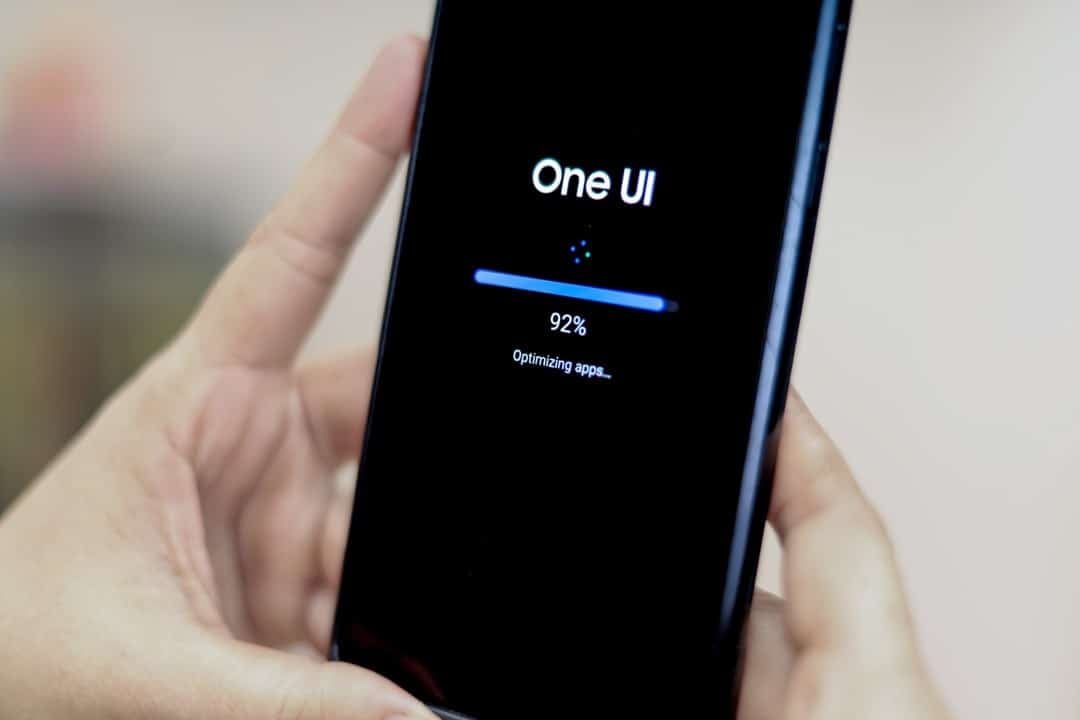
Currently, the catalog of hardware qualified to receive this compilation of preliminary tests encompasses the following product lines:
- Galaxy S24 series, including variants Plus, Ultra and FE edition
- Smartphones with flexible screens Galaxy Z Fold 6 and Galaxy Z Flip 6
- Transition device Galaxy S25 FE
- High-performance tablets from the Galaxy Tab S11 and Tab S11 Ultra family
Territorial expansion of the testing program
The update package is made available in a strictly controlled manner and segmented by geographic zones. Neste opening moment of expansion, participation in the evaluation program remains restricted to four global markets previously selected by the company’s development division.
The territories covered in this initial phase include Coreia of Sul, Estados Unidos, Índia and Reino Unido. Consumidores who have eligible devices, but are registered or located outside of these specific jurisdictions, do not find the installation files available on the wireless update servers.
Adopting this wave distribution tactic serves to monitor the responsiveness of corporate servers and prevent instabilities during peak simultaneous downloads. The method also provides a safety window for quickly containing any critical programming flaws that could compromise the basic functioning of the phones.
Technical information indicates that the corporation plans to expand access to new territories over the next few weeks. The inclusion of new regions will directly depend on the speed with which developers are able to resolve the issues reported by the first groups of active testers.
Technical requirements and qualified devices
The selection of devices compatible with the new interface prioritizes equipment equipped with cutting-edge processors, ensuring that the new tools run with maximum fluidity. The presence of the previous year’s flagship smartphone lineup in the test list represents a move to keep the ecosystem updated and functional for the most loyal customer base.
Equipment belonging to older generations, as well as entry-level models, remains excluded from this preliminary evaluation cycle. The manufacturer applies technical criteria based on the capacity of Unidades and Processamento Neural and the amount of RAM memory on board to define which devices support the requirements of the new system.
Owners of models that are not on the current eligibility list must wait for official announcements regarding the release schedule for the final version. The company usually optimizes software for less powerful hardware only in the final stages of development, after key features have stabilized.
Deep integration of artificial intelligence
The central pillar of this software update is the native implementation of complex machine learning algorithms in everyday applications. The operating system introduces an automated privacy mechanism that tracks and hides sensitive data in photographs, instantly blurring ID numbers, bank cards and personal information before sharing.



In the productivity tools sector, the standard note-taking application has gained an advanced mathematical resolution function. The user can write complex equations using a digital pen or virtual keyboard, and the software processes the information to provide the detailed step-by-step solution directly in the active document interface.
The brand’s proprietary virtual assistant has undergone an overhaul of its language processing architecture. Integration with search engines based on generative artificial intelligence allows the assistant to interpret ambiguous contexts and deliver elaborate responses, overcoming the limitations of traditional keyword-based voice commands.
Visual refinements and system navigation
The visual structure of the interface has undergone a thorough overhaul to deliver smoother screen transitions and a cleaner overall aesthetic. The device’s settings menus have been restructured to make it faster to find advanced network and screen options, while the factory application icons have received new textures and shadow effects that react dynamically to the lighting of the chosen wallpaper. The quick control panel and notification center adopt a modular design, giving users unprecedented freedom to rearrange connectivity and sound shortcuts to suit their daily needs.
A notable navigation addition is the introduction of interactive panels on the lock screen and recent activity bar. The system now displays dedicated controls for managing alarms, timers and media playback in easy-to-reach positions, minimizing the need to unlock the phone to perform quick tasks. The engine responsible for the system’s animations has been completely rewritten to take advantage of the high refresh rates of modern displays, ensuring that scrolling through long lists and switching between heavy applications occurs without any dropped frames.
Advanced call and notification management
Security in daily communications received a substantial focus in this compilation, materialized in the introduction of an intelligent call filter that processes data entirely on the device’s chip, without relying on cloud connections. Este system uses artificial intelligence models to analyze the behavior of incoming calls in real time, being able to autonomously identify and block telephone fraud attempts, robocalls and aggressive telemarketing contacts before the device emits the first ring. In conjunction with this tool, the software has implemented an outage monitoring dashboard that evaluates how frequently applications issue alerts. When detecting that a specific program is triggering an excessive volume of notifications in a short interval, the system intervenes by suggesting temporarily silencing the application or consolidating these alerts into a readable summary later. Essa proactive management aims to mitigate information overload and preserve user focus by ensuring that only messages from priority contacts and critical system alerts activate the vibration motors and speakers during periods of work or rest.
Procedures for official registration
Users who have the specified smartphone or tablet models and reside in participating countries must use the brand’s official support application to request entry into the testing phase. The procedure requires navigating to the application’s main page, locating the promotional banner dedicated to the program and carefully reading the participation contract.
Acceptance of the legal terms frees the device to search for data packages on the company’s servers. Como distribution occurs in a staggered manner, the notification to download the update may take a few hours or days to appear in the system settings menu, even after confirming registration.
Security recommendations for testers
Mobile device maintenance experts strongly recommend creating complete backups of all important files, photographs, and documents before beginning the new software installation process. Versões testing operating systems are characterized by unpredictable instabilities, anomalous battery consumption and compatibility failures with applications from financial institutions.
The corporation uses the automatic error reports generated by these voluntary devices to map faults in the source code and optimize memory management. The definitive compilation of the operating system will be sent to the general public only when the stability metrics reach the quality standards required by the brand’s engineers.
Veja Tambem em News (EN)

Research reveals that parents are unaware of how their children use artificial intelligence

Samsung releases new system update with new features for Galaxy Watch 4 users

Digital retail reduces the value of the Galaxy S25 5G smartphone with bank bonuses and device exchange

Amazon’s wireless CarPlay adapter has a 50% discount and high approval ratings from drivers

Zach Cregger’s new Resident Evil ignores games and focuses on an unprecedented story with new characters

Rumor suggests that Nintendo is preparing a special edition of the Switch 2 with a remake of Ocarina of Time

Apple accelerates production of the iPhone 17e and develops new Air model with dual camera system

Epic Games platform releases twelve high-budget games at no permanent cost for PC users

PlayStation 5 Pro price drop accelerates digital retail sales and eliminates global stocks

New Galaxy Watch 9 firmware appears on server and confirms progress in software development

Apple’s commemorative project tests cell phone with 1.1 millimeter edge and curved screen for 2027
