
President Trump demands immediate seriousness from Iran in peace proposals before it is too late


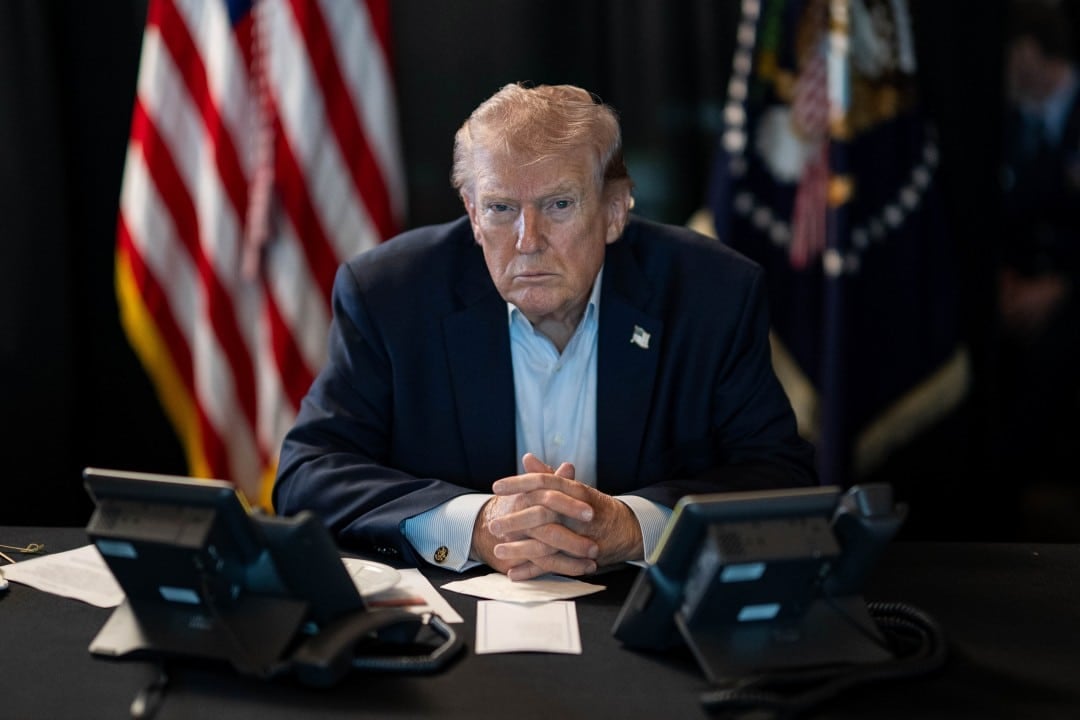
The president of the Estados Unidos, Ele stated that representatives of Irã appear to beg for an agreement in private conversations, but publicly deny significant progress. Trump highlighted that the military position of Irã is weakened following recent clashes, which makes a quick and concrete response essential.
The statement comes amid reports of indirect contacts between the parties, mediated in part by interlocutors such as Paquistão. The American president extended the suspension of attacks on Iranian energy facilities for another ten days, in response to a reported request from Teerã, with the new deadline set for April 6. Ele described the talks as productive despite contradictory public statements coming from the Iranian side.
- The Iranian negotiators are described by Trump as “very different and strange.”
- He criticized the public stance of Teerã, who claims to only analyze the American plan.
- Trump insisted that the Irã has been “militarily obliterated” and has no chance of recovery without a deal.
Trump’s reactions to Iranian statements
The American president reacted angrily to information that the Irã rejected the 15-point plan proposed by the Estados Unidos. Segundo Trump, Iranian interlocutors demonstrate in private conversations their desire to close an agreement, but avoid publicly assuming this position out of internal fear. Ele warned that time for a negotiated solution is running out and that, once a certain point is passed, there will be no possibility of retreat.
In another recent post, Trump mentioned the fear Iranian leaders would have of their own people if they openly accepted American conditions. The message reinforces the perception that Washington maintains military pressure while leaving the diplomatic route open. Especialistas monitor these signs closely, as the conflict is already affecting important trade routes in the region.
The tone adopted by Trump combines demand with the indication that substantive negotiations remain ongoing. Ele mentioned names such as special envoy Steve Witkoff and Jared Kushner among those involved in the contacts. The extension of the deadline for actions against energy infrastructure was justified as a gesture to allow negotiations to move forward.
Details of the American 15-point plan
The government of the Estados Unidos sent to the Irã, through indirect channels, a 15-point proposal aimed at ending the clashes in the Oriente Médio. Entre the main items are the dismantling of the Iranian nuclear program, the containment of the development of ballistic missiles and the end of support for groups such as the Houthis in Iêmen and the Hezbollah in Líbano.
In exchange, the plan provided for relief from economic sanctions and some degree of shared control over the Estreito of Ormuz, a crucial route for global oil transport. Relatos indicate that the delivery of the proposal was mediated by Pakistani authorities. The format resembles structures used in other negotiations mediated by the Estados Unidos in regional conflicts.
Irã initially rejected the document, classifying it as excessive and unilateral. Autoridades Iranian officials stated that the country’s leaders were analyzing different suggestions, but maintained ongoing defensive operations. The rejection was accompanied by a counter-proposal with five specific conditions presented by Teerã.
Conditions presented by Irã
The Irã responded to the American plan with five demands of its own to accept the end of hostilities. The first condition demands the total cessation of attacks and actions considered aggressive against Iranian territory and leaders. The second seeks concrete guarantees that the conflict will not be resumed in the future by external initiative.
The third condition involves financial compensation for damage caused during the period of clashes. The fourth requires that the ceasefire cover all fronts and allied groups in the region, without exceptions. Finally, Irã claims international recognition of its sovereign right over Estreito of Ormuz, including the ability to exercise control over navigation in this strategic route.
These demands were publicized by Iranian state media and mentioned in statements by the minister of Relações Exteriores, Abbas Araghchi. A social media post from the Iranian consulate in Mumbai even reproduced the conditions, although it was later removed. The counterproposal reflects Teerã’s position that any agreement must respect its security and sovereignty interests.
Current status of negotiations and deadlines
President Ele justified the measure by stating that conversations are continuing positively, even in the face of contradictory public signals.
The extension came after reports that Iranian officials requested additional time to evaluate options. Trump maintained a pressured tone by repeating that Irã needs to demonstrate seriousness to avoid more serious consequences. At the same time, he indicated that the Estados Unidos remain open to dialogue through established channels.
Observers note that the conflict, which began about a month ago, has already caused significant impacts on energy markets and maritime routes. The Estreito of Ormuz remains a sensitive point, with reports of partial restrictions on navigation and efforts to maintain the flow of oil. The parties involved continue to exchange signals between specific military actions and diplomatic attempts.
Advances and obstacles in negotiations
American officials highlight that the contacts include high-level figures and that points of convergence were identified in indirect meetings. Irã, in turn, insists that it does not accept impositions and that any solution must include repairs and protections against future interventions.
The discrepancy between Teerã’s public statements and information about private conversations continues to generate confusion. Trump directly criticized this approach, classifying it as inconsistent. Ele reiterated that the weakening of the Iranian military makes a clear definition of positions urgent.
The involvement of regional mediators, such as Paquistão, is cited as a factor that facilitates the exchange of proposals without formal direct contacts. Até At the moment, no face-to-face meeting between American and Iranian representatives has been publicly confirmed, but the possibility remains open if conditions evolve.
Immediate perspectives for dialogue
The next few weeks will be decisive in determining whether negotiations move towards a ceasefire or whether the military escalation returns with greater intensity. The extension of the deadline for actions against Iranian energy provides an additional window for parties to adjust their positions.
Trump continues to alternate pressure messages with indications that a deal is still possible. Irã maintains its counterproposal as the basis for any future understanding. The international community is following developments with particular attention to the effects on global energy supplies and regional stability.



