
Producer Sega optimizes the classic Virtua Fighter 5 for the new Nintendo Switch 2 hardware

The global digital entertainment industry has been following recent behind-the-scenes developments in software development aimed at the next generation of portable consoles. Informações techniques indicate that Japanese producer Sega is working on adapting one of its most traditional three-dimensional combat franchises for the current market. The project involves the creation of a specific edition called Virtua Fighter 5 R.E.V.O. World, structured directly as the successor to the current Nintendo hybrid device. The new equipment is widely treated by the technology sector under the provisional name of Nintendo Switch 2. The initiative establishes a commercial alignment between the software developer and the hardware manufacturer to flesh out the initial catalog of releases. The operation’s primary goal is to capture the attention of both the veteran arcade audience and the modern consumer base. The demand for high performance on mobile devices dictates the pace of negotiations and technical production. The electronic games market sees the strategy as a fundamental movement towards consolidating titles with competitive appeal on the new platform.
The transition from a complex martial arts simulator to a new system architecture demands a rigorous software engineering process on the part of programmers. The technical teams focus their efforts on maintaining the stability of the screen refresh rate during matches. Esse technical factor is considered non-negotiable for the professional gaming community who depend on millisecond precision to execute complex commands.
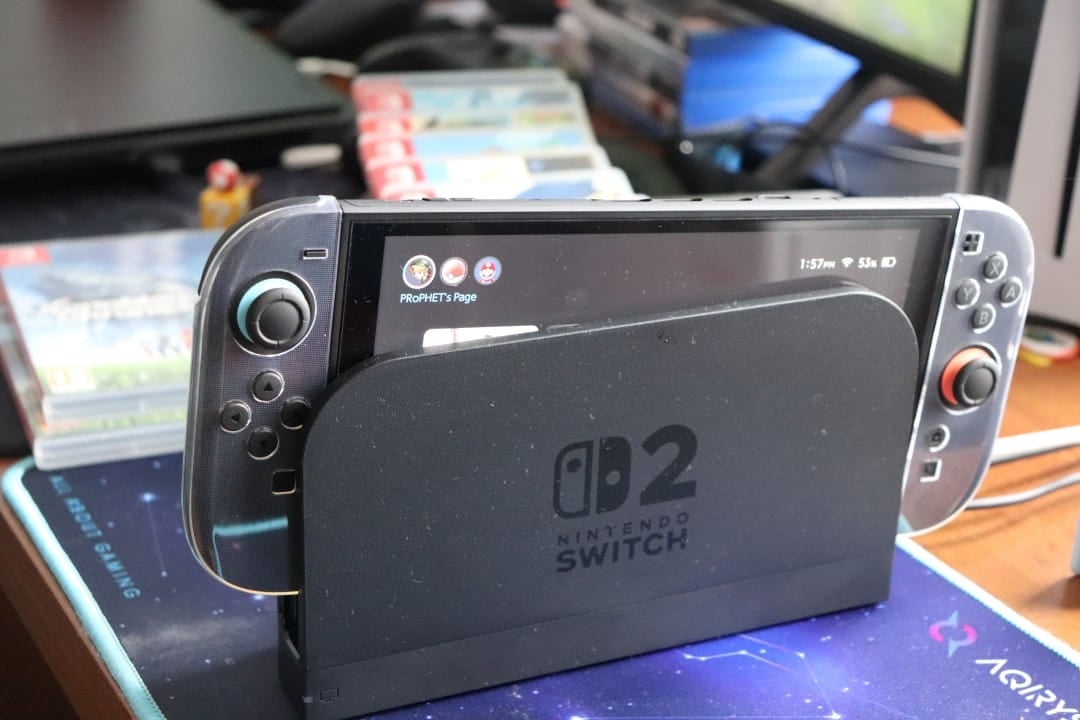
The development of the project focuses on making the most of the processing capabilities of the new portable device. The adaptation requires the rewriting of fundamental parts of the original code to ensure full compatibility with the device’s internal components. The joint work between the studios aims to deliver a fluid experience in both tabletop mode and mobile use.
Code optimization and graphics requirements
To achieve the quality standards required in the current competitive scenario, the development team established strict technical guidelines for optimizing the software on the new device. The equipment’s architecture promises to deliver the data processing power necessary to increase the visual fidelity of character models and interactive scenarios. Preliminary hardware specifications suggest a substantially higher rendering capacity than the manufacturer’s previous model.
The requirement to run the program at a constant 60 frames per second guides all graphic design and programming decisions. Esta Seamless visual fluidity ensures that attack, defense and dodge animations are read correctly by competitors in real time. Technical rigor avoids any type of disadvantage caused by drops in the machine’s performance when there is an overload of visual effects on the screen.
The process of adapting the fighting title involves implementing specific features for the console ecosystem:
– Integração of a modern netcode system to ensure online matches without command registration delays.
– Ajuste of dynamic resolution to preserve graphic fluidity when using the console outside the charging base.
– Mapeamento optimized the action buttons for the new standard controllers that will come with the factory system.
The series’ trajectory in digital entertainment
The franchise’s emergence in the early 1990s redefined the industry’s parameters by introducing three-dimensional polygonal combat. The physics applied to fighters’ movements and the faithful representation of real martial arts styles have created a niche market focused on technical simulation. The brand distanced itself from fighting games based on energy projectiles and unrealistic jumps, consolidating a fan base dedicated to mechanical precision.
The fifth main iteration of the series went through a long commercial life cycle, receiving periodic updates on arcade boards and desktop consoles of different generations. Cada new version released by the developers sought to refine the system of advantages and disadvantages of animation frames. Frequent adjustments to chain damage and impact properties have kept the title relevant on the international stage.
Structuring official tournaments and competitions
The long-term viability of a fighting game depends directly on its network infrastructure and support for organized competitions. Produtores of global esports events rigorously evaluate online performance and character balance. The inclusion of a new title in the main broadcast schedules requires guarantees of technical stability from the developer.



The portable nature of the host device offers significant logistical advantages to the professional gaming community and organizers. The console’s ease of transport allows for quick assembly of training stations at in-person events. The feature reduces infrastructure costs for regional tournament promoters and facilitates continuous practice for competitors.
Corporate investment in official circuits acts as the main driver of talent retention in the competitive scenario. The game’s constant presence on high-rated broadcasts attracts the interest of sponsors in the peripheral sector. The integration of spectator tools into the game code, such as free camera control and damage data display, meets modern broadcast professionalization requirements.
User training and retention tools
The barrier to entry in three-dimensional combat simulators is often high due to the need to memorize long lists of commands. Understanding abstract concepts of spacing and reaction time alienates casual players at first. Para To reverse this situation and attract new consumers, the current project focuses on building interactive training modes.
The advanced tutorials included in the software dissect the game mechanics in a didactic and visual way. The system demonstrates the hitting areas for strikes and teaches practical methods to punish attacks defended by opponents. The use of programmable artificial intelligence allows you to simulate the behavior of real opponents during practice sessions.
The fighters’ aesthetic customization system acts as a complementary daily engagement mechanism for the user base. Account level progression unlocks access to a vast catalog of clothing items, accessories and visual effects. The modifications change the presentation of the characters without interfering with the competitive balance of the matches.
This internal economy, driven by the time dedicated to the software, creates secondary objectives that keep the servers populated. The strategy guarantees online activity even by players who have no direct interest in participating in high-performance professional tournaments. Retaining a casual audience is essential for the financial longevity of the product on the market.
Peripheral integration and response time
Development targeting a specific system architecture allows the engineering team to extract the maximum capabilities of input devices. The response latency of the buttons and the precision of the new console’s analog sensors undergo rigorous testing in the producer’s laboratories. The procedure ensures that the execution of complex commands occurs without reading errors, a basic requirement for the title’s acceptance by the fighting game community. Support for external peripherals, such as arcade stick controls, is a requirement of the most dedicated portion of the fan base.
Data communication between these accessories and the console’s motherboard needs to occur with near-zero delay, ensuring the competitive integrity of tournament-level matches. The joint work between interface designers and system programmers aims to create a seamless browsing experience. The transition between the character selection menus and the loading of combat scenarios happens instantly. The process takes advantage of the high reading speeds of the device’s new storage media to eliminate prolonged waiting screens.
Positioning in the release catalog
The offer of a fighting title with a prestigious history during the initial marketing period of the new console reinforces the diversity of the system’s software library. The publishing agreement between Sega and Nintendo highlights a corporate strategy focused on serving specific market niches with products of high technical quality. The presence of an established franchise acts as a differentiator to drive hardware adoption by consumers who prioritize mechanical performance and stability in directly competitive games. The commercial movement demonstrates the companies’ intention to establish a robust ecosystem for electronic sports from the first months of the device’s life. Consolidating partnerships with traditional studios ensures a constant flow of content optimized for the platform’s unique specifications. Long-term planning includes continued support of the game through balance updates and the addition of new seasonal content. The initiative aims to maintain public interest and the title’s relevance compared to competitors in the genre over the next few years.
Availability and digital distribution
The software distribution logistics include simultaneous launch on physical media and on the console manufacturer’s digital commerce platforms. The server infrastructure is undergoing adjustments to support the volume of simultaneous accesses expected for the launch period. The technical operation seeks to avoid connection bottlenecks and guarantee the uninterrupted download of installation files by users around the globe.
Veja Tambem em News (EN)

Research reveals that parents are unaware of how their children use artificial intelligence

Samsung releases new system update with new features for Galaxy Watch 4 users

Digital retail reduces the value of the Galaxy S25 5G smartphone with bank bonuses and device exchange

Amazon’s wireless CarPlay adapter has a 50% discount and high approval ratings from drivers

Zach Cregger’s new Resident Evil ignores games and focuses on an unprecedented story with new characters

Rumor suggests that Nintendo is preparing a special edition of the Switch 2 with a remake of Ocarina of Time

Apple accelerates production of the iPhone 17e and develops new Air model with dual camera system

Epic Games platform releases twelve high-budget games at no permanent cost for PC users

PlayStation 5 Pro price drop accelerates digital retail sales and eliminates global stocks

New Galaxy Watch 9 firmware appears on server and confirms progress in software development

Apple’s commemorative project tests cell phone with 1.1 millimeter edge and curved screen for 2027
