
Samsung expands artificial intelligence capabilities to optimize use of Galaxy smartphones
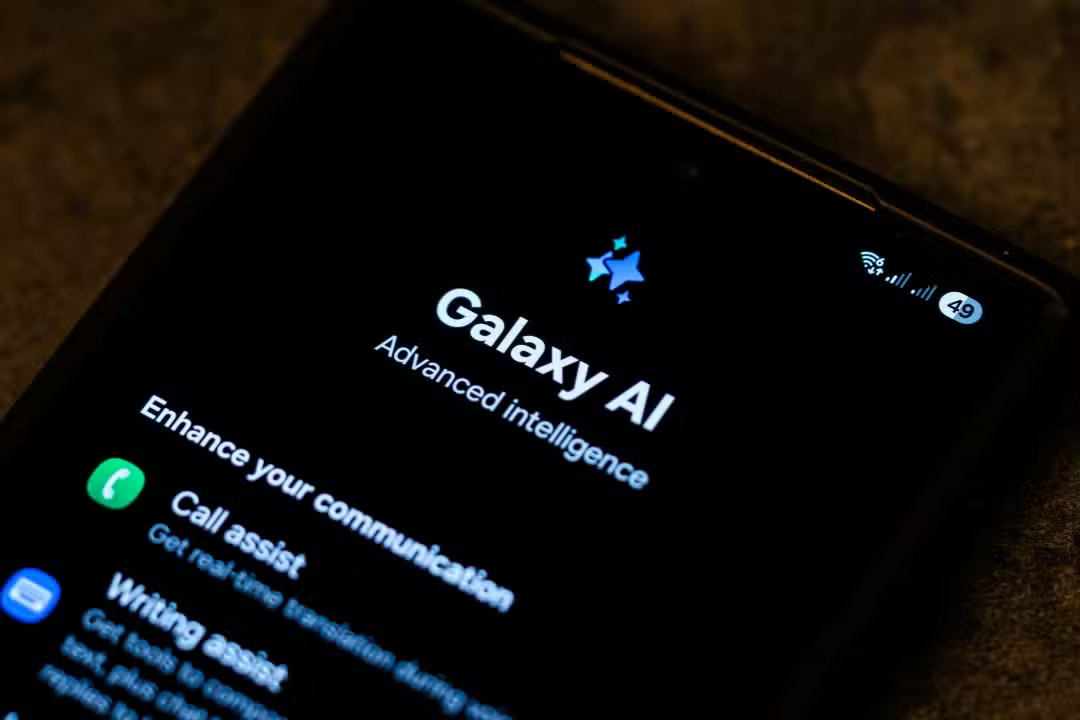
The integration of advanced data processing systems into mobile devices changes the dynamics of use of personal communication devices. South Korean manufacturer Samsung has implemented a suite of machine learning-based tools directly into the operating system of its latest equipment. The main purpose of this software update is to automate repetitive processes and provide quick contextual responses to phone owners.
The system, commercially named Galaxy AI, debuted on the Galaxy S24 series models and operates natively, without the need for third-party applications for most of its functions. The software architecture allows processing to occur both in the cloud and on the phone’s own hardware, ensuring privacy and speed. Essa hybrid approach makes it possible to execute complex tasks in fractions of a second.
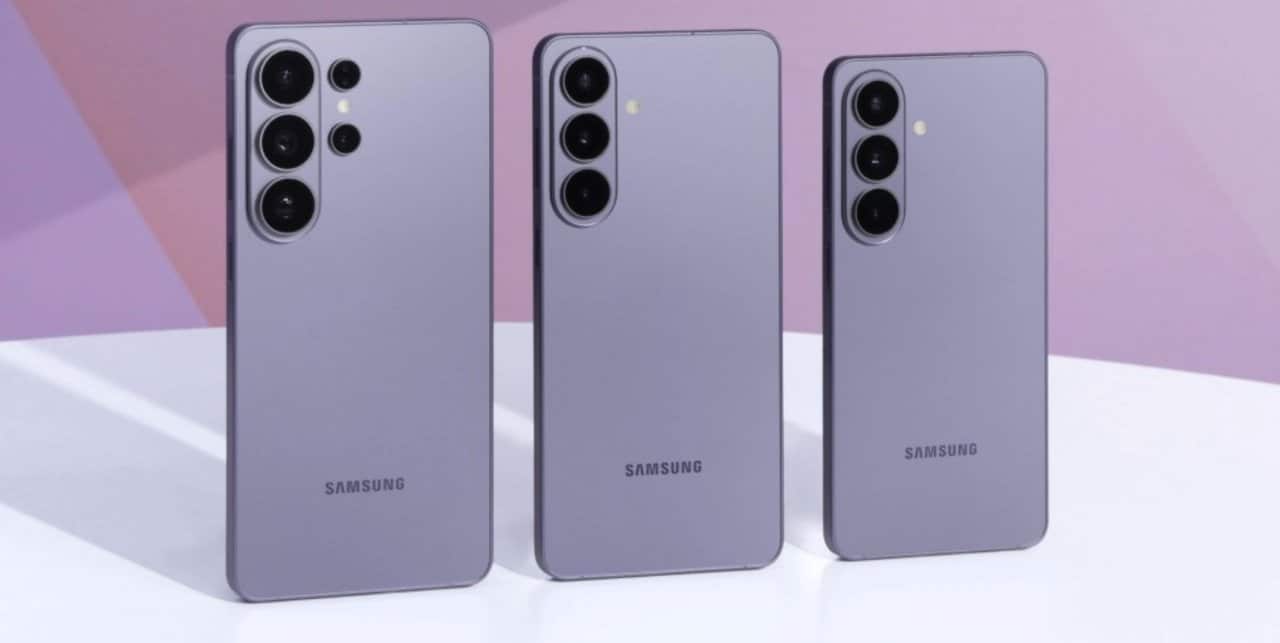
The adoption of this technology reflects a shift in the global telecommunications market, where powerful hardware becomes the foundation for proactive software services. Devices are no longer just receivers of commands but act as assistants that anticipate individuals’ daily communication, work and entertainment needs.
Core functionalities and adaptation to the consumer profile
The structure of the brand’s new intelligence system focuses on three distinct operational pillars to meet daily demand. The software maps the owner’s peak usage times, favorite apps and typing style to create a unique assistance profile. Essa Continuous reading of local data allows the phone to suggest shortcuts and automate routines.
To materialize this assistance, the user interface presents specific tools integrated into the operating system’s standard menus. The software’s main areas of activity include:
– Tradução simultaneous voice and text during conventional telephone calls.
– Edição generating images directly in the device’s native gallery.
– Automatic Sumarização of long texts and transcription of recorded audio.
The implementation of these features occurs fluidly, requiring little learning curve on the part of those who operate the device. The focus of software engineering was to position the artificial intelligence buttons in intuitive locations, such as the virtual keyboard and the camera application.
Breaking language barriers in real time
The simultaneous translation feature, called Live Translate, operates directly within the smartphone’s native dialer application. Durante an international call, the system converts the speech of both interlocutors into their respective native languages, generating both synthesized audio and on-screen subtitles. Processing occurs locally on the device’s chip, which eliminates the need for an internet connection to guarantee the privacy of the conversation and avoid delays in communication.
This language conversion tool also applies to instant messaging apps. The operating system’s virtual keyboard intercepts typed text and translates it before sending, while converting received messages into the language configured on the phone. The technology supports dozens of languages and dialects, facilitating business negotiations and contact between people of different nationalities without the need for prior fluency.
New format for visual search and image manipulation
The partnership with search providers resulted in the creation of a search engine triggered by gestures on the device’s screen. By pressing the home button, the individual can circle, doodle or tap any item displayed on the panel, be it a video, photo or social network. Imediatamente, the system identifies the selected object, monument or text and overlays the search results without closing the application that was in use.
In the field of photography, generative processing allows structural changes to captured images. The native gallery software offers options to erase people from the background, resize central objects, and fill the empty spaces created by these edits with artificially generated textures. The system also corrects crooked angles and improves the lighting of old photos or those captured in low-visibility environments, delivering professional editing results with just a few taps.



Productivity tools for the corporate and academic environment
Textual information management received updates focused on saving time for professionals and students. The manufacturer’s note-taking application now has an assistant capable of reading extensive documents and generating topic-structured summaries. The system identifies keywords and main ideas, creating headings and automatically formatting the text to facilitate dynamic reading.
In addition to summarization, the software corrects grammatical errors and suggests changes in the tone of writing. The user can write a quick draft and ask artificial intelligence to transform it into a formal email for the workplace or a casual message for social networks. Essa language adaptation occurs in seconds and maintains the original intention of the message.
Recording of meetings and lectures has also been optimized with the native transcription tool. The smartphone’s voice recorder identifies different speakers in the same environment and converts all captured audio into running text. Após the transcription, the system can translate the content into another language or generate an executive summary with the action points discussed during the meeting.
The device’s standard internet browser integrates these same dynamic reading functions. When accessing news portals or long academic articles, a dedicated button triggers artificial intelligence to extract the most relevant paragraphs. Essa function eliminates the need to scroll entire pages in search of central information, speeding up daily research.
Expanding the ecosystem and updating previous devices
The distribution strategy for these tools was not limited to the most recent launches on the telephone market. The South Korean manufacturer has started a schedule of software updates to bring the artificial intelligence package to previous generation models. Dispositivos of the premium lineup launched last year, including phones with foldable screens and high-performance tablets, received the same generative processing capabilities through system downloads. Essa measure increases the active user base and extends the useful life of equipment already sold.
Making functions available retroactively requires rigorous optimization of the source code, as older processors have different architectures than current chips. The development team adapted the algorithms so that features such as simultaneous translation and photo editing work stably, even on hardware that was not originally designed for these specific demands. The initiative standardizes the user experience across the brand’s cutting-edge product portfolio, creating a unified ecosystem of digital services.
Data processing and system privacy architecture
The implementation of systems that read messages, listen to calls and analyze photos raises technical questions about the traffic of personal data. Para mitigate leak risks, the architecture of the artificial intelligence package was divided between local processing and cloud processing. The most sensitive functions, such as translating telephone calls and transcribing recorded meetings, occur exclusively within the smartphone’s own neural chip, without any data packets being sent to external servers. Já tasks that require greater computing power, such as complex visual research and generating false backgrounds in photographs, use the internet connection to access the company’s servers. However, the operating system offers a privacy control panel where the device owner can permanently block cloud processing. By activating this restriction, the phone will only perform tasks that its hardware supports locally, ensuring that no personal information leaves the device’s physical storage, even if this limits access to some generative editing tools.
Dynamics of continuous updates in the mobility sector
The development of software based on neural networks requires constant maintenance and improvement by engineering teams. The manufacturer has established a cycle of periodic updates to refine language models and add support for new regional languages. Competition in the mobile technology sector drives the creation of increasingly efficient shortcuts, forcing companies to deliver security packages and new features uninterruptedly to maintain the relevance of their devices in the global market.
Veja Tambem em News (EN)

Research reveals that parents are unaware of how their children use artificial intelligence

Samsung releases new system update with new features for Galaxy Watch 4 users

Digital retail reduces the value of the Galaxy S25 5G smartphone with bank bonuses and device exchange

Amazon’s wireless CarPlay adapter has a 50% discount and high approval ratings from drivers

Zach Cregger’s new Resident Evil ignores games and focuses on an unprecedented story with new characters

Rumor suggests that Nintendo is preparing a special edition of the Switch 2 with a remake of Ocarina of Time

Apple accelerates production of the iPhone 17e and develops new Air model with dual camera system

Epic Games platform releases twelve high-budget games at no permanent cost for PC users

PlayStation 5 Pro price drop accelerates digital retail sales and eliminates global stocks

New Galaxy Watch 9 firmware appears on server and confirms progress in software development

Apple’s commemorative project tests cell phone with 1.1 millimeter edge and curved screen for 2027
