
Samsung’s new One UI 7 interface with Android 15 optimizes the performance of Galaxy cell phones
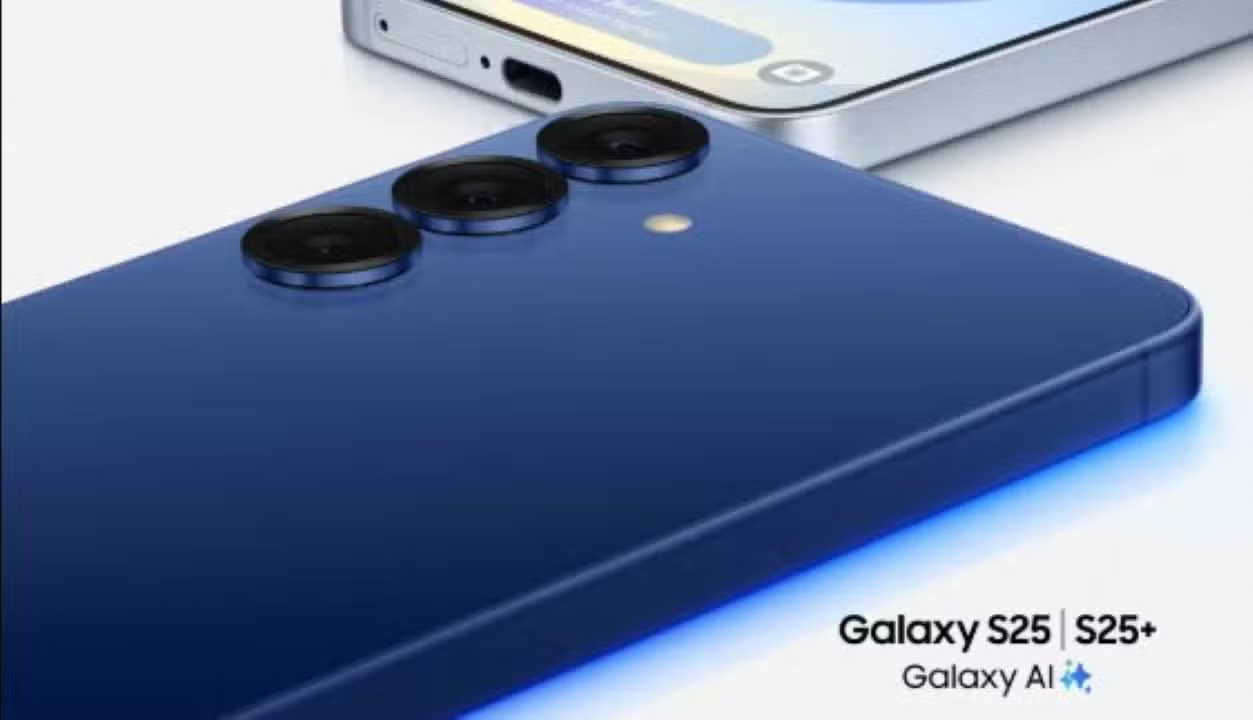
The South Korean technology giant has started global distribution of its latest user interface, developed under the architecture of the new Google mobile operating system. The update arrives to redefine the way consumers interact with their daily devices, delivering a completely redesigned digital environment, with an absolute focus on fluid navigation and extreme personalization. The software package is not just limited to superficial aesthetic changes, but deepens the integration of automated tools that continually learn from the behavior of those using the device. Proprietários of the brand’s smartphones and tablets are now starting to receive notifications for downloads via the internet, marking one of the biggest simultaneous update movements in the current telecommunications industry. The corporate strategy aims to consolidate the manufacturer’s leadership in the competitive mobile device segment, offering cutting-edge resources even for devices that do not belong to the most expensive category in the catalog, guaranteeing significant technical survival of the equipment.
Excitement among consumers is driven by the promise of superior memory management and extended power autonomy for everyday use. The new software architecture was meticulously designed to get the most out of existing hardware, ensuring that screen transitions, opening heavy applications and using cameras occur without stutters or unexpected crashes.

This technical movement meets a growing market demand for safer, more agile and intuitive operating systems. By extending technological innovations to intermediate lines and models launched in previous years, the manufacturer reinforces its commitment to product durability and long-term customer satisfaction.
Visual changes transform navigation on devices
The complete redesign of the graphical interface emerges as the most noticeable element in the first minutes of use after installing the new system. The native application icons have gained cleaner lines, vibrant colors and consistent proportions, while the configuration menus have been reorganized in a logical way to facilitate quick access to the most used functions in everyday life. Animações transitions, which occur when minimizing windows or switching between tasks, now operate with remarkable smoothness, eliminating the feeling of slowness that occasionally affected previous generations of the software in times of processor stress.
For the brand’s tablets, the interface presents an intelligent adaptation that efficiently takes advantage of the expanded space of the touch screen. Split windows for multitasking and the bottom taskbar have been improved to simulate a desktop experience, making it easier to edit complex documents, browse the web, and consume media simultaneously without losing performance.
Artificial intelligence manages routines and optimizes battery
The incorporation of advanced machine learning algorithms transforms the device into a highly proactive work and play tool. Virtual Assistentes integrated into the core of the system analyze daily usage patterns to suggest precise automations, such as activating silent mode during frequent meetings, organizing photographs by relevance, or adjusting screen brightness based on the user’s usual reading times.
Energy efficiency has received special attention from software engineers, resulting in rigorous, real-time monitoring of load consumption. Telas with dynamic refresh rate now balances visual performance and power savings much more aggressively, ensuring maximum fluidity in high-resolution games without draining the battery quickly during simple tasks.
Intelligent management of background applications cuts unnecessary consumption of processor and data network resources. Essa automated and silent cleaning frees up RAM memory for the activities that are in main focus, allowing devices with more modest technical specifications to operate with the same agility seen in the brand’s high-end models.
System distribution serves different product categories
The release of the new operating system follows rigorous phased planning, structured to ensure the stability of the download servers and the rapid correction of any minor failures. Essa careful, staggered approach prevents unforeseen technical issues from affecting a massive user base simultaneously, ensuring a secure software transition.



Premium category devices, including the latest lines of traditional high-performance smartphones and innovative foldable models, top the priority list for receiving the data package. Esses devices have robust hardware, capable of immediately exploiting all the graphical and processing innovations required by the new interface.
In the operational sequence, the planning encompasses the bestsellers in the intermediate segment, which represent the manufacturer’s largest market share in several emerging countries. The rapid inclusion of these models demonstrates a positive change in company policy, democratizing access to new technologies more quickly.
Finally, tablets and smartphones launched more than two years ago complete the cycle of updates programmed by the development team. Users are advised to check the availability of the download directly in the settings menu of their devices, as the exact release may vary according to the geographic region and the approvals of local telephone operators.
Integrated ecosystem strengthens the brand’s presence in the market
The wide range of devices confirmed to receive the update impresses technology experts and establishes a new level of support in the telecommunications industry. Desde from the most sophisticated models with flexible screens to options strictly focused on cost-benefit, the manufacturer ensures that a huge portion of its customer base has access to the same cutting-edge software tools. Aparelhos that have been on the market for some time gain important technical and commercial survival, contrary to the logic of planned obsolescence that usually forces consumers to prematurely replace electronic equipment.
This standardization of the operating system across different price ranges immensely strengthens the brand’s ecosystem, creating a seamless and frictionless user experience for those who have multiple devices, such as a cell phone, a smart watch and a tablet from the same manufacturer. Cloud data synchronization, high-speed close file sharing, and application continuity between different screens become considerably more efficient and stable. By delivering constant innovation without sacrificing financial accessibility, the company retains its current audience and creates a formidable competitive barrier, difficult to be overcome by competitors that offer more limited or fragmented software support.
Advanced security layers protect sensitive user data
The absolute protection of digital privacy assumes a central and non-negotiable role in the architecture of the new interface, which arrives from the factory equipped with incredibly robust defenses against the most modern cyber threats. The native security system has been completely rewritten to operate at a much deeper level of hardware, isolating critical information such as banking passwords, encryption keys and biometric data in an isolated digital vault impenetrable to third-party applications or external attackers. Control over the permissions granted to installed software has become extremely granular and transparent, allowing the device owner to define exactly what specific data can be accessed, such as location or microphone, and for how long this permission is valid. A new real-time monitoring dashboard constantly scans the device in the background for suspicious activity or anomalous app behavior, issuing immediate visual alerts and blocking malicious processes before they can extract any personal information. Essa postura altamente proativa na defesa do ambiente virtual é considerada fundamental em uma era onde os smartphones funcionam simultaneamente como carteiras digitais, cofres de memórias e centros de autenticação para praticamente todos os serviços essenciais da vida cotidiana, elevando drasticamente o padrão de confiança exigido pelos consumidores corporativos e domésticos.
Update redefines the standard for support in mobile technology
The precise combination of visually refined design, machine learning-based productivity tools, and an unwavering commitment to data protection sets a new milestone in global mobile software development. The continuous and free delivery of substantial improvements to such a broad and diverse base of equipment proves that technological evolution can be truly inclusive, keeping older devices fully relevant, secure and functional for a much longer period of time.
Veja Tambem em News (EN)

Research reveals that parents are unaware of how their children use artificial intelligence

Samsung releases new system update with new features for Galaxy Watch 4 users

Digital retail reduces the value of the Galaxy S25 5G smartphone with bank bonuses and device exchange

Amazon’s wireless CarPlay adapter has a 50% discount and high approval ratings from drivers

Zach Cregger’s new Resident Evil ignores games and focuses on an unprecedented story with new characters

Rumor suggests that Nintendo is preparing a special edition of the Switch 2 with a remake of Ocarina of Time

Apple accelerates production of the iPhone 17e and develops new Air model with dual camera system

Epic Games platform releases twelve high-budget games at no permanent cost for PC users

PlayStation 5 Pro price drop accelerates digital retail sales and eliminates global stocks

New Galaxy Watch 9 firmware appears on server and confirms progress in software development

Apple’s commemorative project tests cell phone with 1.1 millimeter edge and curved screen for 2027
