
Samsung’s new strategic partnership with Google creates smart glasses equipped with Android XR and 12 megapixel camera

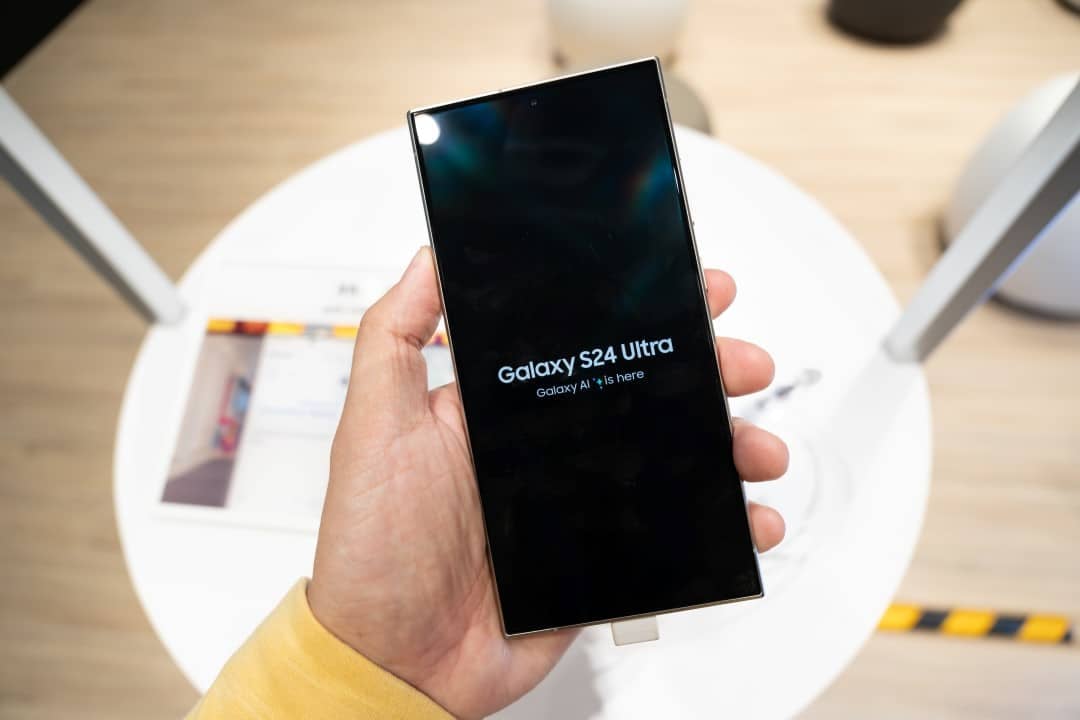
The wearable device market is undergoing a significant transformation with the development of a new category of hardware focused on spatial computing. The South Korean manufacturer joined forces with North American technology giants to design equipment that promises to seamlessly integrate the physical world with the digital environment. The project represents an important step in the transition from traditional smartphones to interfaces based on augmented reality.
The joint initiative seeks to establish a hardware and software ecosystem capable of competing with current mixed reality options available on the market. The main focus of development is on the user’s discretion and daily comfort, moving away from bulky displays that cover a large part of the face. The focus is on a format identical to conventional prescription glasses or sunglasses.

The choice of this design reflects a shift in strategy in the personal technology industry. The current goal is to achieve mass adoption through accessories that do not cause visual awkwardness or ergonomic discomfort during long periods of continuous use.
Visual architecture and image processing
The operating core of this new device is a platform specifically developed to manage augmented and virtual reality applications. The software architecture was designed to work in continuous synchronization with smartphones in the Galaxy line, transferring the heaviest data processing to the cell phone. Essa division of computational tasks is essential to keep the glasses frame light and free of components that could overheat during prolonged use indoors and outdoors. The central data-capturing element of the new wearable is a 12-megapixel camera equipped with advanced autofocus technology.
The optical sensor was strategically positioned on the front structure of the frame, aligned with the natural field of vision of the human eye. The primary function of this lens goes beyond recording common photos or videos, fundamentally acting as the main visual data input channel for the operating system. The images captured in real time feed a multimodal artificial intelligence system that analyzes the environment continuously. The main features of this system include:
– Quick Identificação of everyday objects and elements.
– Leitura and translation of texts into foreign languages.
– Reconhecimento of geographic reference points.
– Integração direct with virtual assistants for immediate responses.
Power and capacity specifications
Power support of a device with constantly active sensors requires highly optimized hardware engineering. The device will feature a 245 mAh battery, representing a significant increase in capacity compared to the average of 155 mAh found in previous generations of smart glasses. Este increase in energy density responds directly to the processing demand required by uninterrupted communication via Wi-Fi and Bluetooth with the paired smartphone.
Management of this load will be aided by a processor developed with low-power lithography, aimed specifically at lightweight wearable devices. The energy efficiency of this semiconductor allows the battery to provide enough autonomy for a full day of moderate use. The system also incorporates smart saving modes that temporarily disable the camera and microphones when motion sensors detect that the glasses have been removed from the face.
Integration of artificial intelligence and translation
The processing of visual information allows the device to understand the spatial context in depth. Virtual assistant integration transforms the raw data captured by the camera into actionable responses, delivered to the user instantly. Este The process occurs in a contextualized manner, eliminating the need for complex manual commands or physical interactions with the smartphone.
The ability to simultaneously translate street signs, menus and physical documents represents one of the most practical applications of the high-resolution camera. The visual recognition system operates continuously, facilitating navigation and understanding in foreign environments. The technology acts as a real-time visual interpreter, increasing user accessibility and independence.
The recognition system can also interact with e-commerce platforms directly. The user can look at a product in a storefront and immediately receive information about price, availability and technical specifications. Estes data is projected directly into the field of hearing or peripheral vision, optimizing the consumption experience.
Acoustic engineering and voice capture
The experience of using a virtual assistant in public spaces strongly depends on the quality of the audio system and the privacy of interactions. Para To solve this issue, the hardware has directional speakers built into the side rods. The technology directs sound waves directly into the user’s ear canal, creating a restricted audio zone that prevents sound from leaking into the environment.
This acoustic configuration allows you to hear artificial intelligence responses, participate in meetings or listen to music without disturbing people around you. The privacy of information is maintained even in places with large circulation of people. The design of the speakers was designed to offer sound clarity without the need for in-ear headphones, maintaining the perception of the external environment.
The voice capture system uses a set of high-sensitivity microphones equipped with active noise cancellation algorithms. The sensors are calibrated to isolate the owner’s vocal frequency and filter out external interference. Ruídos of traffic, side conversations or wind force are suppressed before the command reaches the main processor.
Acoustic precision ensures that the virtual assistant understands verbal commands on the first try. Esta efficiency eliminates the frustration of having to repeat sentences in a busy urban environment. Communication with the device becomes natural and fluid, resembling a common human conversation.
Connectivity ecosystem and functions
The adoption of an operating system dedicated to extended reality opens the door for deep integration with the service infrastructure already established by third-party developers. The manufacturer’s premise is to create a natural extension of the smartphone, where the user can access critical information without having to take the device out of their pocket. Urban navigation, for example, takes on a new dimension with the use of maps optimized for augmented reality, providing precise guidance based on the direction in which the user is looking. Navigation routes are synchronized with directional alerts based on head position, while direct communication with smart watches allows health data to be cross-referenced and metrics displayed during physical activities. The device also supports answering phone calls and controlling media playback through natural voice commands or small gestures on the frame stem. Lenses with photochromic technology automatically darken in brightly lit environments, protecting vision and maintaining the contrast of projected virtual information.
Market segmentation and development
The commercial strategy aims to establish a diversified portfolio in the smart glasses category, with the aim of reaching different price ranges and usage needs. Industrial records reveal the existence of a base model that concentrates its resources on image capture, audio processing and voice interaction. Esta entry version aims to democratize access to technology, offering essential artificial intelligence functions in a more financially accessible package.
In parallel, development of a high-performance variant is underway to cater to consumers seeking complete visual immersion. The advanced model must incorporate microprojection screens on the lenses, allowing the display of graphical interfaces, text notifications and augmented reality elements superimposed on the real world. The segmentation allows the manufacturer to test public acceptance of the audio-focused model while the transparent display technology matures into the premium version.
Global expansion and availability
The global distribution schedule calls for the first devices to hit shelves in markets traditionally receptive to innovations in wearable hardware, such as the América, Norte and Ásia. Expansion to the European continent and other regions will occur gradually, following the adaptation of artificial intelligence services to local languages. The success of this endeavor will set standards in the personal technology industry for the next decade, consolidating the transition from glass screens to invisible computers integrated into everyday life.



