
Samsung’s new system consolidates the leadership of the Galaxy S26 Ultra against the competitor iPhone 17 Pro Max


The fight for the top of the global mobile device market presents a new technical scenario focused on daily usability and the integration of advanced autonomous tools. Recent Avaliações performance and hands-on stress tests reveal that the South Korean manufacturer’s flagship smartphone has established a measurable competitive advantage over Apple’s more advanced model. The focus on software refinement, combined with the stability of the graphical interface, has redefined the standard of demand for consumers looking for high-cost devices for professional and personal use.
The behavior of the two operating systems during prolonged use highlights different strategies adopted by technology manufacturers. Enquanto one company prioritized resolving historical bottlenecks in its interface and optimizing data processing, the other maintained its focus on traditional design features and brand strength, facing occasional difficulties in implementing new predictive technologies and managing notifications.
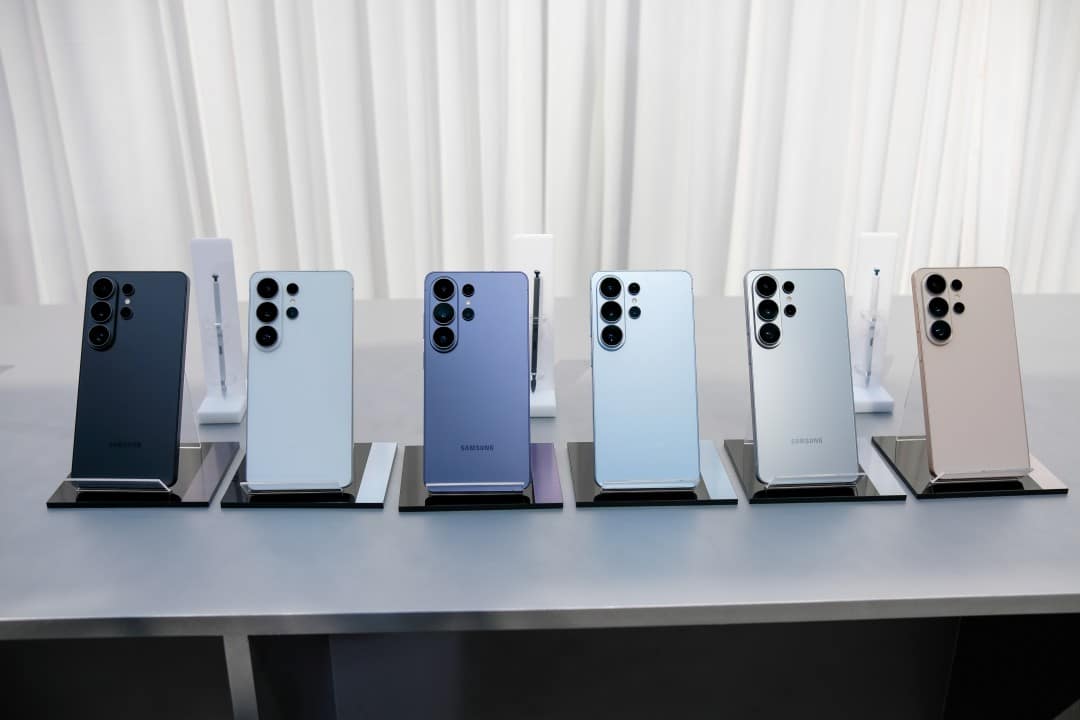
Adapting to the demands for corporate productivity and efficiency has become the main purchasing decision factor in the premium segment. The ability to deliver a fluid browsing experience, without processing interruptions or crashes in heavy applications, dictates the pace of updates in the mobile technology industry, forcing companies to rethink their software release schedules.
Advances in the graphical interface and navigation stability
The arrival of One UI 8.5 marks a significant structural change in the Samsung software ecosystem. Developers focused engineering resources on optimizing the transition between high-demand applications, resulting in a platform that operates with constant fluidity. Testes from independent laboratories attest to the almost complete elimination of crashes when running games with complex graphics and video editing tools.
Visual and operational flexibility allows the owner to fine-tune the system according to their work routine. Productivity shortcuts, folder organization and gesture navigation schemes can be profoundly changed without affecting RAM memory consumption or the response speed of the device’s central processor.
On the opposite spectrum, iOS 26 presents specific challenges in managing the flow of daily information and app alerts. The notification grouping algorithm and prioritization of urgent messages create a fragmented lock screen experience, requiring the user to manually organize important notices during times of high workload or during corporate meetings.
Autonomous processing and artificial intelligence tools
The integration of artificial intelligence in the Galaxy S26 Ultra operates locally through a dedicated neural processing unit, ensuring absolute privacy and speed in executing complex tasks. Native functions allow simultaneous translation of voice calls into different languages, automatic formatting of corporate documents and advanced editing of photographs without the need for constant connection to external cloud servers.
The Apple Intelligence package, in turn, goes through a continuous calibration phase of its predictive algorithms in the real-use environment. The system’s attempts to generate automatic summaries of long chains of emails and anticipate routine commands often require manual corrections on the part of the user, highlighting a disparity in the maturity of the software solutions offered by the two technology giants at the current time.
Privacy features and corporate market focus
The protection of sensitive data in high-traffic environments has driven the development of new hardware technologies aimed at visual security. The Privacy Display feature acts directly on the light-emitting layer of the high-resolution panel, severely blocking the side viewing angle when activated by the user.
This bias functionality prevents unauthorized reading of financial transactions, text messages, and confidential documents while using your smartphone on public transportation, commercial flights, or in airport lounges. The physical security of the information displayed on the screen complements the digital and cryptographic barriers of the operating system.
The maintenance of the S Pen pen embedded in the chassis of the South Korean device consolidates its leadership position in the corporate and creative segment. The high-precision accessory makes it easy to sign legally binding digital contracts and create quick notes in meetings, even when your device screen is locked.
The almost imperceptible latency of the stroke and the possibility of using the smart pen as a Bluetooth remote control for slide shows or photographic shots represent practical technical differences. Estas productivity tools remain without direct competition or functional equivalent in the North American manufacturer’s current portfolio.
Hardware architecture and energy efficiency
The internal engineering of the devices reflects the pinnacle of civil semiconductor technology available on the market, with the Galaxy S26 Ultra utilizing the Snapdragon 8 Elite Gen 5 processor and the iPhone 17 The raw performance of both processors guarantees the impeccable execution of everyday tasks, agile internet browsing and media consumption in very high resolution. The fundamental difference lies in the approach to physical design and heat dissipation, where the South Korean model adopts a new improved aluminum alloy and expanded vapor chambers to reduce weight and maintain cooling, while the competitor bets on a robust industrial aesthetic, with pronounced titanium edges and a camera block that dominates the rear of the equipment.
Energy management also highlights distinct mobile engineering philosophies between the two companies. The A19 Pro processor delivers remarkable energy efficiency, allowing the Apple device to support a full day of intense use on a single charge, compensating for the nominal battery capacity through software optimization. In contrast, the Samsung device focuses on the extreme fast recharge speed of 60 W, allowing the recovery of a large part of the energy in a few minutes when connected to the socket. Esta feature directly meets the needs of professionals with dynamic routines, who do not have time to keep the equipment immobilized for long periods during working hours.
Photographic performance and video capture
The camera system of both devices meets specific demands for the production of visual content, dividing consumer preference based on the type of priority use. The 200 megapixel main sensor of the Samsung smartphone was designed with advanced algorithms to capture maximum light in nighttime scenarios, delivering photographs with extreme clarity and strict control of digital noise, in addition to offering professional manual controls for ISO and shutter speed adjustments. On the other hand, the Apple device maintains its historic leadership in video recording in high-fidelity formats, offering unparalleled optical stabilization based on sensor shift, fluid transitions between different lenses during zooming, and color representation that meets the standards of professional film equipment. The choice between systems depends on the need for photographic versatility with long-range optical zoom or technical excellence in continuous audiovisual production.
Device integration and loyalty
The strength of Apple’s closed ecosystem ensures native and flawless communication between your smartphones, laptops, tablets and smart watches, creating a service infrastructure that facilitates instant file sharing and task continuity between different screens.
Operational flexibility and connectivity
The Android environment offers a paradigm focused on interoperability with equipment from multiple brands and different operating systems. The ease of wireless connection with Windows-based computers attracts consumers looking for versatility in the corporate work environment.
Unrestricted compatibility with audio accessories from different manufacturers and home automation systems based on open protocols consolidates the device as a tool adaptable to different usage profiles. Esta freedom of configuration guarantees autonomy of choice in an increasingly diverse and competitive technological market.



