
Tension in the Middle East drops Bitcoin price to below US$69,000 after Iran’s refusal

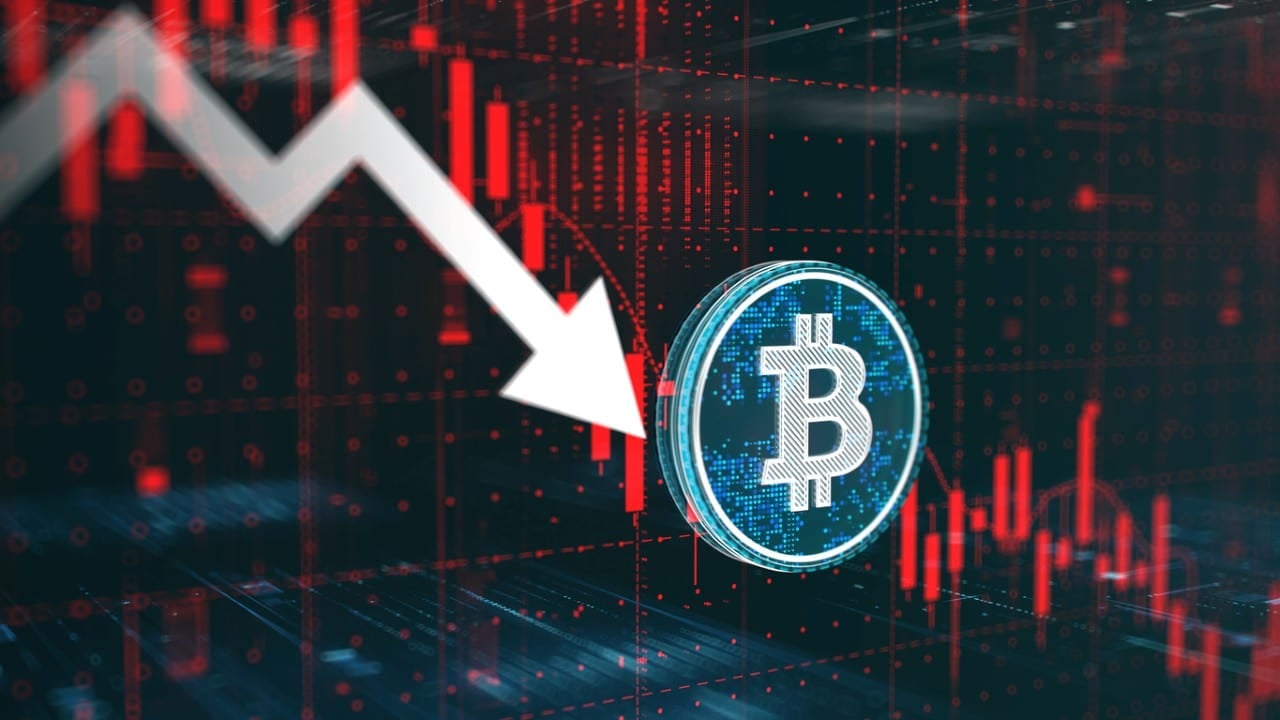
The price of the main cryptocurrency on the global market registered a sharp drop this Thursday, breaking the support barrier and falling below US$69,000. The devaluation movement occurred immediately after the release of information by Iranian state media outlets about the refusal of a diplomatic proposal presented by the Estados Unidos for a ceasefire in the region.
Geopolitical instability generated a wave of risk aversion among financial operators, directly impacting digital assets and other variable income markets. The stance adopted by Teerã in relation to negotiations with the administration of Donald Trump raised the level of alert regarding possible developments in Estreito of

The retreat of the digital asset reflects the sensitivity of the decentralized financial ecosystem to international conflicts and the possibility of interruption of strategic commercial routes.
The main factors pressuring the market at the moment include:
– Aumento immediate global risk perception.
– Fuga of capital from volatile assets to traditional stores of value.
– Preocupações with the impact on energy costs for technological infrastructure.
Direct impact on digital asset operations
The rejection of the diplomatic agreement caused an immediate liquidation of long positions on the world’s main trading exchanges. Institutional and retail Operadores have chosen to reduce exposure to the crypto market, fearing that prolonged hostilities in Oriente Médio will result in inflationary shocks and changes in global monetary policies.
Other large-cap digital assets such as Ethereum and XRP followed the downtrend and recorded significant percentage losses in the same time frame. The correlation between the sector’s main currencies demonstrates that the geopolitical event affected investors’ systemic confidence, temporarily surpassing the individual fundamentals of each technological project.
Price dynamics and technical support levels
Before the worsening of diplomatic tensions, the digital currency operated in a consolidation range close to US$71,000, with expectations of breaking historical resistance. The loss of the US$69,000 level nullified the gains accumulated over previous sessions and forced a reevaluation of short-term projections by chart analysts.
Trading volume rose sharply during the dip, indicating strong selling pressure driven by high-frequency trading algorithms that react to news headlines. Esse Automated behavior exacerbated intraday volatility, creating liquidity gaps in brokers’ order books.
Technical analysis experts now monitor the $65,000 to $68,000 region as the next critical defensive zone for buyers. Maintaining prices above this range is considered essential to avoid a deeper trend reversal in the current cycle of the decentralized financial market.
Influence of American policies on the technology sector
The figure of Donald Trump plays a dual role in the current situation of risk markets, acting both as a negotiator on the international scene and as an agent of influence on internal regulatory policies. The recent focus on national security issues has diverted attention from promises to relax rules for the development of financial technologies in the Estados Unidos.
During previous weeks, the expectation of a more favorable regulatory environment had driven the inflow of institutional capital into the crypto ecosystem. The abrupt shift in narrative to the risk of a protracted armed conflict has forced fund managers to recalibrate their portfolios, prioritizing capital preservation over the pursuit of aggressive returns.
The American government’s decisions on economic sanctions and control of maritime routes have direct ramifications on the global economy, affecting the supply chain of electronic components essential for the maintenance of decentralized networks. The security of Estreito of Ormuz is vital to the flow of energy commodities.
Any interruption in the supply of oil and natural gas tends to increase global electricity costs. Esse macroeconomic factor directly affects the operational viability of data processing facilities that guarantee the security of virtual transactions, changing the profit margin of companies in the sector.
Operating costs and the energy market
Mining digital assets requires intensive consumption of electrical energy to power hardware equipment specialized in solving complex cryptographic calculations. The increase in international prices for a barrel of oil, driven by the risk of restriction in the supply of Oriente Médio, makes the energy matrix more expensive in several regions of the world. Empresas of technological infrastructure that depend on non-renewable sources or that operate in markets with floating tariffs face a scenario of compression of financial margins, which could lead to the temporary shutdown of less efficient machines and a consequent drop in the network’s overall processing rate.
The relocation of operations to jurisdictions with an abundance of cheap, renewable energy gains even more relevance in the face of geopolitical instability. Investidores institutions that finance large data processing parks assess country risk and dependence on imported fossil fuels before expanding their facilities. The current diplomatic crisis highlights the vulnerability of sectors highly dependent on electricity to external shocks, forcing the industry to accelerate the transition to more sustainable business models that are independent of fluctuations in the traditional commodity market.
Diplomatic positioning and prolonged uncertainty
Iranian authorities maintain a firm stance regarding the conditions required for the establishment of a peace agreement, rejecting terms that they consider unfavorable to their strategic interests and national sovereignty. Teerã’s official communication emphasizes the country’s autonomy in conducting its foreign policy, signaling that it will not give in to economic pressure or threats of military escalation from Western powers. Esse diplomatic impasse creates an environment of chronic uncertainty that paralyzes long-term investment and encourages short-term speculation in global markets. The absence of a clear timeline for conflict resolution forces financial agents to price the risk of extreme events, resulting in higher risk premiums and reduced liquidity in emerging assets and digital currencies. International diplomacy faces the challenge of finding common ground that accommodates the security demands of all nations involved, while markets remain hostage to the daily news flow and statements from political leaders that can drastically alter the economic landscape in a matter of minutes.
Correlation with the traditional financial market
The synchronized reaction between the fall of virtual currencies and the decline in global stock indices reinforces the thesis that digital assets are increasingly integrated into the traditional financial system. The narrative that these technologies would function as a safe haven isolated from macroeconomic turmoil loses strength in moments of acute stress, when the liquidation of positions occurs across all classes of risky investments.
Capital flow monitoring
Network data analysis platforms record a significant increase in the transfer of funds from brokers to offline storage wallets, a typical movement of investors seeking to protect their assets during periods of extreme volatility. Essa reduction in the circulating supply available for immediate trading can amplify future price movements, both in scenarios of recovery and new declines.
The market remains on high alert, awaiting new rounds of diplomatic negotiations or possible economic retaliation. The ability of the decentralized finance ecosystem to absorb external shocks will continue to be tested as geopolitical developments in the Oriente Médio dictate the pace of the global economy and influence the behavior of capital allocators.



