
Toyota designs new generation of seven-seat hybrid station wagon after high demand from global drivers

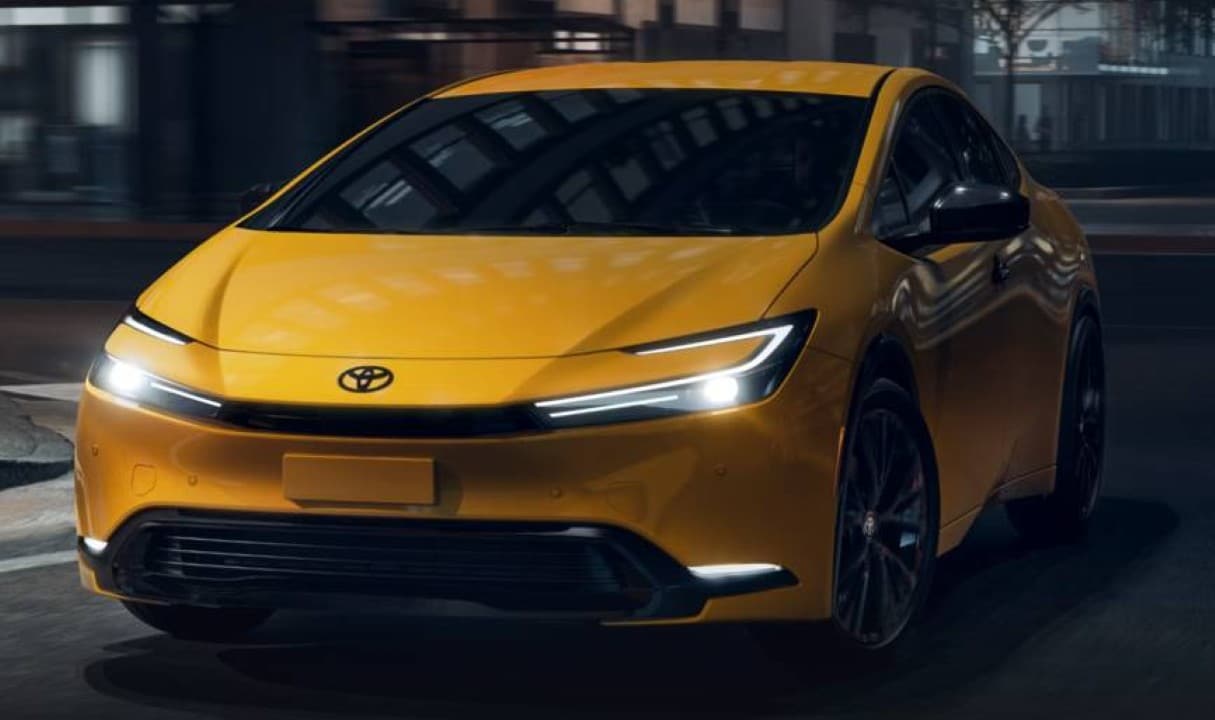
The global automotive industry is seeing a growing movement of drivers demanding the return of family vehicles with high passenger capacity and energy efficiency. The gap left by the discontinuation of iconic seven-seater models has generated a mobilization of consumers looking for alternatives to traditional sports utility vehicles. The focus of these demands lies on the development of a new generation of hybrid station wagons that combine generous internal space with low fuel consumption in urban and highway journeys.
The electrified vehicle market has undergone profound transformations in recent years, prioritizing aerodynamic designs and advanced propulsion systems. However, large families struggle to find options that offer three rows of seating without compromising drivability or inflating maintenance costs. The Japanese automaker Toyota, a pioneer in hybrid technology, finds itself at the center of these expectations due to the successful history of its previous lines aimed at this specific audience.
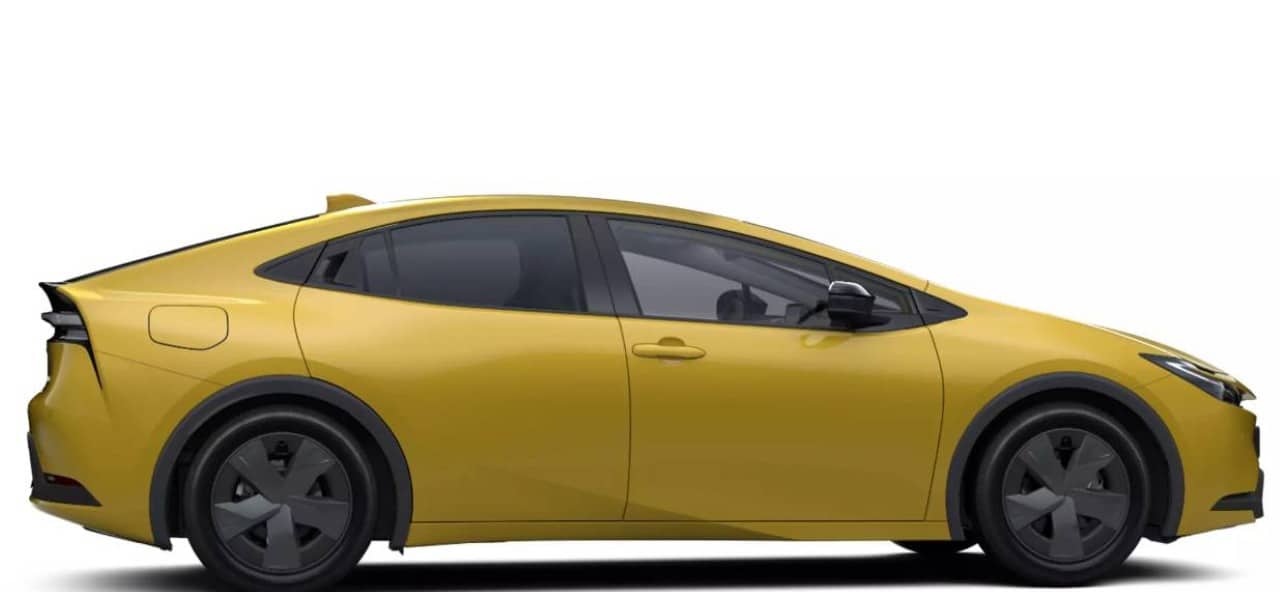
Industry experts indicate that the transition to more sustainable vehicles has rekindled interest in elongated bodies, which have lower air resistance compared to sports utility vehicles. Essa technical preference drives engineers to rethink current platforms, seeking to integrate high-density batteries without sacrificing occupant comfort. Pressure from the consumer market signals a possible restructuring in the catalogs of major manufacturers for the next global launch cycles.
Historical context and evolution of electrified station wagons
The trajectory of family vehicles with alternative propulsion gained significant momentum in the past decade, as automakers began adapting their more efficient models to accommodate a greater number of passengers. Entre In the years 2011 and 2021, the global market had a strong presence of hybrid station wagons derived from successful hatchbacks, which offered a practical solution for urban transport and long journeys. Esses vehicles stood out for their ability to combine the internal space of a minivan with the driving dynamics of a conventional passenger car. Initial acceptance was significant, driven by fleet owners and families who valued fuel savings in a period of fluctuation in the prices of petroleum derivatives. Contudo, the change in design trends and the meteoric rise of sports utility vehicles ended up overshadowing this segment, leading to the temporary interruption of production of these elongated bodies on the assembly lines.
The discontinuation of these models left a significant portion of consumers without direct upgrade options within the same brands, forcing an unwanted migration to different vehicle categories. Automotive engineering at the time faced challenges in accommodating nickel-metal hydride or lithium-ion battery packs without invading the trunk floor or compromising the third row of seats. With recent technological advancement and the miniaturization of electrical components, the structural limitations of the past have been overcome, paving the way for a safe and efficient renaissance of the seven-seater station wagon. The charging infrastructure and durability of current electric motors provide an ideal scenario for the reintroduction of these projects, serving a public that has accumulated years of loyalty to the original proposal of economy, space and mechanical reliability.
Current alternatives do not meet space requirements
The options currently available in dealer showrooms present compromises that do not fully satisfy former owners of seven-seat hybrid station wagons. Market segmentation has forced buyers to choose between aerodynamic efficiency, passenger capacity or robustness, fragmenting the family vehicle offering.
To illustrate this gap, it is possible to observe the characteristics of the models that have tried to fill this gap in recent years at dealerships:
– Veículos with traditional station wagon bodywork offer excellent drivability and low consumption, but are strictly limited to five occupants, making it impossible to transport large families legally and safely.
– Minivans with a square shape and high roof guarantees space for seven or eight people, but suffers from high aerodynamic resistance, which severely impairs the efficiency of the hybrid system on highways.
– Utilitários medium and large sports cars have a third row of seats, but have a high center of gravity, excessive weight and dimensions that make parking in standard urban spaces difficult.
Dissatisfaction with these partial alternatives motivates the search for a vehicle that integrates the best characteristics of each automotive category. Drivers demand a car that maintains a low, elongated silhouette, ensuring stability at high speeds, while also offering retractable seats in the rear compartment for occasional or daily use.
Design projections for the new family generation
Information circulating behind the scenes in the automotive industry points to the development of an unprecedented platform, specifically designed to maximize internal volume without inflating external dimensions. Engineers work with length estimates of around 4,615 millimeters, ensuring enough space to accommodate three rows of seats with reasonable comfort for adults and children.
The projected width of 1,775 millimeters and the contained height of 1,575 millimeters reveal a central concern with the aerodynamics and directional stability of the vehicle. Essas proportions indicate a car with a notably low center of gravity, a key feature to reduce body roll in curves and provide a driving experience closer to that of a sports sedan than a passenger van.
The exterior design must incorporate fluid lines and pronounced creases on the sides, optimizing airflow and reducing the aerodynamic drag coefficient. The sharp slope of the windshield and the smooth slope of the roof at the rear are crucial elements for reducing turbulence, resulting in a quieter cabin and less effort on the powertrain when traveling at constant cruising speed.
Internally, modularity will be the focal point of the project, with seat folding systems that create a completely flat floor when maximum passenger capacity is not required. The use of lightweight, high-strength materials in the seat structure will allow the backrests to be thinned, freeing up precious centimeters for the legs of the second and third row occupants, optimizing general ergonomics.
Hybrid powertrain and fuel efficiency
The technological heart of this new generation of family wagons will reside in a state-of-the-art hybrid system, designed to extract the maximum energy from every drop of fossil fuel. The integration of Atkinson cycle combustion engines with high-efficiency electric thrusters will guarantee linear and vigorous torque delivery, essential for moving a vehicle loaded with seven occupants and luggage on steep inclines.
The lithium-ion batteries, now more compact and with greater energy density, will be strategically positioned under the floor or under the front seats, preserving the cabin’s useful space. Essa configuration not only improves the vehicle’s weight distribution, but also allows the implementation of purely electric driving modes for short urban journeys, drastically reducing pollutant emissions and daily operating costs for families.
Changing global consumer behavior
The automotive market is going through a phase of reevaluation of priorities by buyers, who are beginning to question the real need for excessively tall and heavy vehicles for strictly urban and highway use. Awareness about maintenance costs, premature wear of suspension components and tires in SUVs, and growing concern about the carbon footprint are redirecting attention towards more rational and efficient bodies. Seven-seat station wagons emerge in this scenario as the definitive solution for intelligent transport, offering the same practical utility as a large SUV, but with superior vehicle dynamics and significantly lower energy consumption. Além In addition, the infrastructure of modern cities, with underground garages with low ceilings and increasingly narrow parking spaces, penalizes the use of vehicles with large proportions, making the slim silhouette of a station wagon an undeniable competitive advantage in daily traffic. Esse The maturity of the consumer, who begins to value efficient engineering over purely robust aesthetics, forces automakers to review their portfolios and revive concepts that had been left in the background, proving that functionality and aerodynamics are the true pillars of long-term sustainable mobility in the global industry.
Impact on electrified vehicle engineering
Demand for high-capacity hybrid station wagons drives direct innovations in modular architectures from automakers around the world. The need to accommodate electrified all-wheel drive systems, where an independent electric motor drives the rear axle, requires a complete redesign of the suspension so as not to invade the space intended for passengers in the last row of seats.
Advances in the thermal management of batteries and the miniaturization of power inverters allow high voltage components to be hidden in structural cavities previously unusable by older engineering. Essa integration approach ensures that the vehicle maintains an acceptable total weight, a determining factor in achieving the strict energy efficiency targets established by current international environmental regulations.
Next steps for the Japanese automaker
Toyota’s response to this latent market demand will involve rigorous durability and aerodynamics testing in wind tunnels and test tracks around the world. The consolidation of a project that combines the versatility of seven seats with the brand’s renowned hybrid technology has the potential to redefine the standards of the family segment, establishing a new technical benchmark for direct competition in the coming years of automotive production.




