
Unreleased recording by Marlon Brando for the game The Godfather completes 20 years of digital legacy

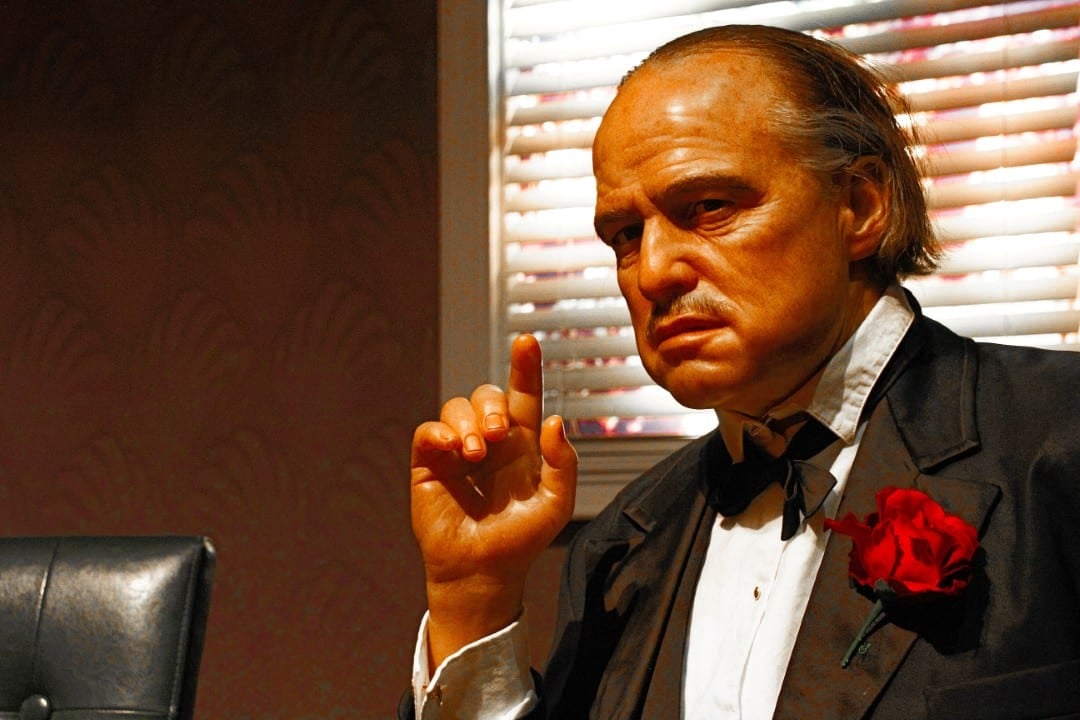
The digital entertainment industry marks a historic milestone with the twentieth anniversary of the launch of the electronic game based on the film franchise about the Italian-American mafia. The title, developed and published by Electronic Arts, carries the distinction of housing the last professional performance of actor Marlon Brando. The artist reprized the role of Vito Corleone, a character that earned him the Oscar award from Melhor Ator in 1973, transferring his interpretation from film studios to video game audio capture servers.
The game’s development process took place at a time when the convergence between major Hollywood productions and the console market was still taking its first structural steps. The decision to include the original cast was treated as a priority by the Electronic Arts management team, aiming to provide authenticity to the project. The cinema veteran’s participation required rigorous logistical planning, motivated by the professional’s health status during the software’s pre-production phases.
The recording sessions were carried out under adapted conditions to accommodate the medical needs of the actor, who already faced severe physical limitations. Profissionais sound engineers moved high-fidelity equipment to capture the speeches in isolation, ensuring that the acoustics of the improvised environment did not interfere with the final quality of the digital files. The operation required patience and technical precision to record the exact tone required by the dubbing direction.
The technical effort resulted in a vocal database that served as the basis for building the narrative arc of the patriarch of the Corleone family within the virtual environment. The actor’s presence in the game’s code established a new standard of financial and artistic investment in the electronic games sector of that decade, proving that interactive media had the capacity to host high-caliber dramatic performances.
Technical obstacles in vocal capture
The audio production team faced significant logistical barriers in making the recording of the lines of dialogue possible. Devido Due to the artist’s respiratory fragility, the sessions had to be short and interspersed with long periods of rest, altering the studio’s original development schedule.
Sound engineers used highly sensitive microphones to record the character’s characteristic whispers, minimizing the vocal effort required during script readings. Cada audio fragment was meticulously cataloged for subsequent processing in the studio, where background noise and interference from medical equipment were isolated and removed.
Despite the adaptations and joint effort, the volume of material captured was not enough to cover the entire script planned for the main character. The death of the actor before the completion of the project forced the developer to seek alternative sound engineering solutions to guarantee the delivery of the final product without compromising the integrity of the work.
Editing and use of supporting voice actors
To fill the gaps left in the original script, Electronic Arts conducted a rigorous selection process in search of a professional impersonator. The objective was to find a timbre that perfectly resembled the aged and hoarse voice recorded in the original sessions, maintaining the cohesion of the character’s identity.
The transition between the original audio and the lines recorded by the substitute voice actor was carried out using frequency modulation and advanced equalization software. The final edition sought to make the switch imperceptible to players, maintaining immersion in the criminal narrative set in the city of Nova York in the mid-twentieth century.
Narrative structure and fidelity to the source material
The electronic game’s script was designed to run parallel to the events portrayed in the 1970s feature film. The player takes control of a new character who rises through the ranks of the criminal organization, carrying out missions that intersect with classic scenes from the original film.
The figure of Vito Corleone acts as a distant mentor, whose appearances are strategically placed to dictate the pace of the player’s progression in the virtual underworld. The original recorded lines were reserved for crucial moments in the story, such as scenes demonstrating loyalty and summit meetings between rival families.
The insertion of the patriarch’s authentic voice gave a dramatic weight that the developers considered essential for the product’s credibility among the most demanding fans. The digital recreation of the character’s office was modeled based on original blueprints from the film set, complementing the atmosphere generated by the audio.
Experts in interactive storytelling point out that the presence of the original actor served as an anchor of familiarity for consumers of physical media. The title’s commercial strategy relied heavily on this sonic exclusivity to attract moviegoers to the desktop console ecosystem.
Paradigm shift in the entertainment industry
The hiring of a big name from the golden age of Hollywood for a video game project represented a profound change in the public perception of the interactive medium. Até At that time, game dubbing was often performed by actors at the beginning of their careers or professionals exclusively in the television animation sector. The producer’s significant financial contribution demonstrated that electronic games had the commercial viability to compete directly with cinema in attracting high-ranking talent, elevating the media’s status in the eyes of traditional critics.
The movement set precedents for competing studios to start looking for movie stars to star in their virtual franchises in the following years. The artistic validation provided by the participation of renowned figures accelerated the maturation process of narratives in video games, which began to adopt more complex scripts, advanced facial movement capture and actor direction comparable to that of major cinematographic productions, transforming the sector into a hegemonic power in global entertainment.
Digital preservation of artistic collections
The case of the veteran actor’s last recording raises technical and historical questions about the preservation of vocal identity through high-resolution digital matrices. By immortalizing the lines in interactive software, the developer created a living archive that allows new generations to experience the original cadence and intonation of one of the most studied figures in the history of modern dramaturgy. Bibliotecas audio files built for electronic games function today as extremely important cultural repositories, where compression and cloud storage technology ensures that the material does not suffer the physical degradation common to magnetic tapes of the past. Especialistas in digital archivology highlight that the interactivity of the medium adds a layer of engagement that traditional documentaries cannot replicate, keeping the artist’s legacy active, functional and accessible on modern emulation and digital distribution platforms for contemporary computers and consoles.
Commercial reception at the time of launch
During the period when it hit the shelves, the title achieved significant sales figures, driven by the public’s curiosity regarding the posthumous audio work. Veículos press specialized in technology and pop culture dedicated extensive analyzes to the quality of the sound mixing and the respect shown for the cinematographic work, consolidating the game as a critical success in terms of sound design.
Historical relevance after two decades
Twenty years after the game was made available on the global market, the title remains a frequent object of study in sound design and digital game development courses. The integration of real voices into polygonal environments of that generation is seen as a fundamental technical milestone that paved the way for today’s graphics engines.
The digital immortality achieved by the project reinforces the ability of video games to act as immersive time capsules. The work continues to be referenced by media historians as the exact moment in which the boundary between the prestige of classic cinema and the innovation of interactive entertainment was definitively crossed, establishing a new horizon for vocal acting.



