

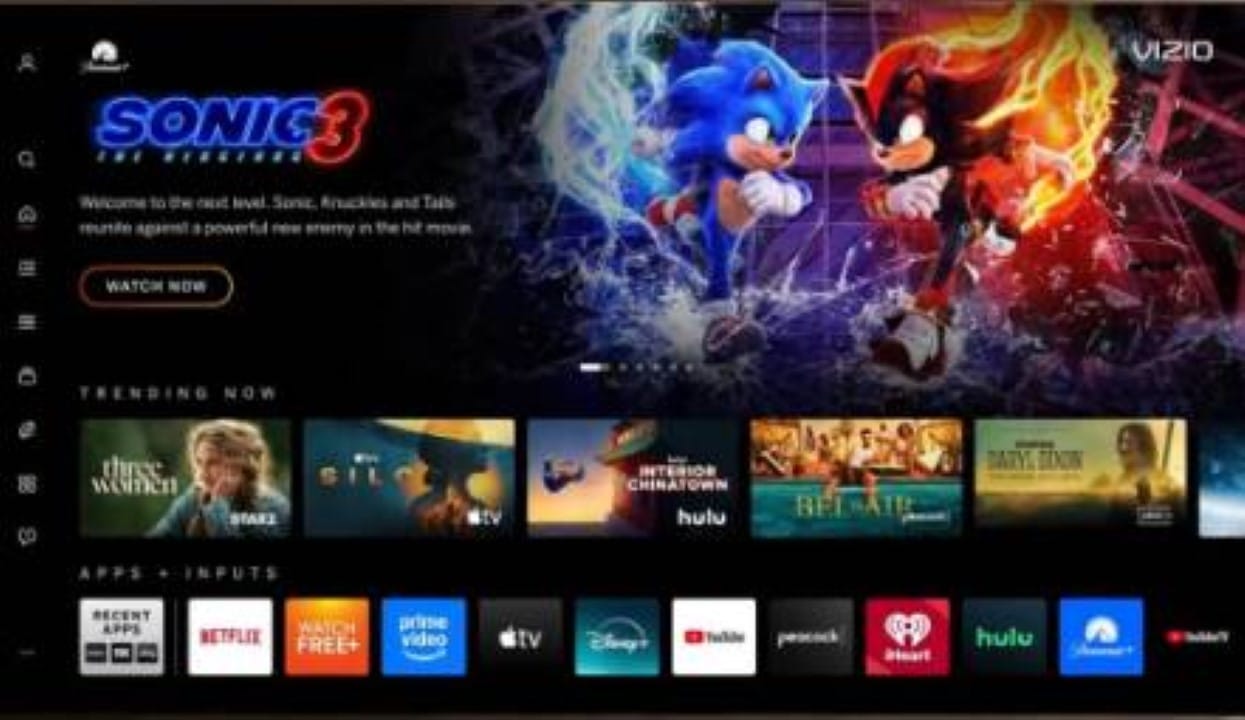
The Walmart retail chain has implemented a new requirement for consumers who purchase Vizio brand smart televisions. New devices now require the creation or linking of a retailer account to grant access to connected resources during the initial configuration process.
The measure directly affects the operating system interface, blocking the use of streaming applications and other native functions if the user refuses to log in. The requirement marks the first major software change since the electronics maker was purchased by the retail giant.
Consumers who choose to skip this step are restricted to using the panel as a traditional monitor, relying on physical inputs to transmit image and sound. The change reflects a growing trend toward integration between entertainment hardware and sales ecosystems.
Focus on commercial integration strategy
The change in the television activation process comes after Walmart spent billions on the acquisition of Vizio, a move designed to strengthen its presence in the digital advertising market. Account integration allows the retailer to cross-reference audience data with customers’ purchase history, creating a highly detailed consumption profile. Essa information base is used to attract advertisers looking to reach specific audiences directly on the main living room screen, bypassing traditional media agencies and third-party platforms.
By forcing registration in the store’s system, the company guarantees a direct communication channel with the end user, facilitating the offering of products and services within the television interface itself. The business model transforms the electronic device into an interactive showcase, where advertisements for supermarket or electronic products can be displayed alongside movie and series recommendations. Especialistas in technology point out that this strategy aims to replicate the success of competitors who already dominate the sale of subsidized hardware in exchange for continuous monetization through software and advertising.
How the new operating system works
The initial configuration process for new Vizio units has been completely redesigned to centralize authentication across the Walmart ecosystem. Assim Once the device is turned on and connected to the wireless internet network, a lock screen requires the entry of valid store credentials.
There is no skip button to access the native app store or the free channels offered by the manufacturer. The interface remains locked in a basic menu until pairing with the cell phone app or entering email is completed successfully.
This digital divide prevents immediate use of popular video-on-demand platforms, requiring the consumer to accept unified terms of service before proceeding. The usage policy covers both the electronics manufacturer’s rules and the supermarket chain’s privacy guidelines.
The technical requirement changes the perception of ownership of the hardware, since the full functioning of the equipment is conditioned on maintaining an active registration with a third-party service. The manufacturer guarantees that the profile creation process is free and only takes a few minutes.
Data Privacy and Targeted Advertising
The massive collection of viewing data raises debates about user privacy in the home environment, as the operating system actively monitors the content displayed on the screen, regardless of the signal source. Automatic content recognition technology identifies television programs, commercials and even video games, sending these packets of information to the company’s servers. Quando combined with Walmart’s shopping profile, this data allows the creation of hyper-targeted advertising campaigns, where an ad for washing powder can be shown right after the user watches a program about home organization. The updated privacy policy details that information may be shared with business partners and used to optimize the retailer’s supply chain by forecasting inventory demands based on the entertainment interests of certain demographic regions. Órgãos consumer protection agencies monitor the implementation of these rules to ensure that customers have clear options to opt out of tracking, although opting out completely may severely limit the functionality of the device purchased.
Situation of old devices on the market
Vizio brand televisions manufactured and activated before the implementation of this new policy continue to operate normally without the need to link to an Walmart account. Owners of these older models maintain access to their original manufacturer accounts and can use all installed streaming applications.
However, internal technical support documents suggest that future firmware updates may introduce gradual requests for profile migration. The company has not yet confirmed whether it will force the transition to the legacy user base or whether it will keep two parallel authentication systems operating indefinitely.
Alternatives for dissatisfied consumers
For buyers who refuse to provide personal data to the retail chain, the only viable technical solution is to use the television disconnected from the internet. By skipping the network configuration, the device works exclusively through the physical ports located on the back.
In this scenario, the user needs to connect external media devices, such as cable TV set-top boxes, video game consoles, or standalone streaming devices. Equipamentos from other brands take control of the smart interface, bypassing the block imposed by the Vizio’s native operating system.
This alternative, although functional, requires an additional financial investment in purchasing third-party hardware and defeats the purpose of purchasing a smart television. The practice of transforming connected screens into passive monitors has become common among technology enthusiasts focused on information security.
Initial reactions from the technology sector
Electronics market analysts note that the Walmart maneuver follows a pattern established by other technology giants that subsidize the cost of hardware to profit from the sale of services and advertisements. The transformation of television into a retail terminal is seen as the next logical step in the evolution of e-commerce.
Forced account integration sparked discussions on technology forums about the consumer’s right to access basic features of a product for which they paid the full price. The acceptance of this new dynamic by the general public will determine whether other manufacturers will adopt similar measures in their future launches.
Expanding the digital retail ecosystem
The strategy of dominating the living room puts the supermarket chain on a direct collision course with technology companies that already have mature home entertainment ecosystems. The ability to display exclusive offers and facilitate the purchase of everyday items via remote control represents a significant competitive advantage in the fight for customer loyalty. The advertising infrastructure built on Vizio’s user base strengthens the retailer’s media division, diversifying its revenue sources beyond the thin margins of selling physical products in traditional stores.
Impact on Media Device Competition
The consolidation of the unified account system puts pressure on other television manufacturers to reevaluate their own after-sales monetization strategies. Marcas Asian companies that traditionally dominate the pure hardware sector are now seeking partnerships with software platforms to avoid losing space in the lucrative video advertising market.
The North American retailer’s move demonstrates that the real value of consumer electronics has definitively migrated from selling the physical equipment to controlling the user’s daily attention. The fight for screen time becomes the main battleground for corporations that want to integrate audiovisual content and e-commerce invisibly.



