
American manufacturer redefines premium smartphones by revealing iPhone 18 Pro with transparent chassis and 5200 mAh battery

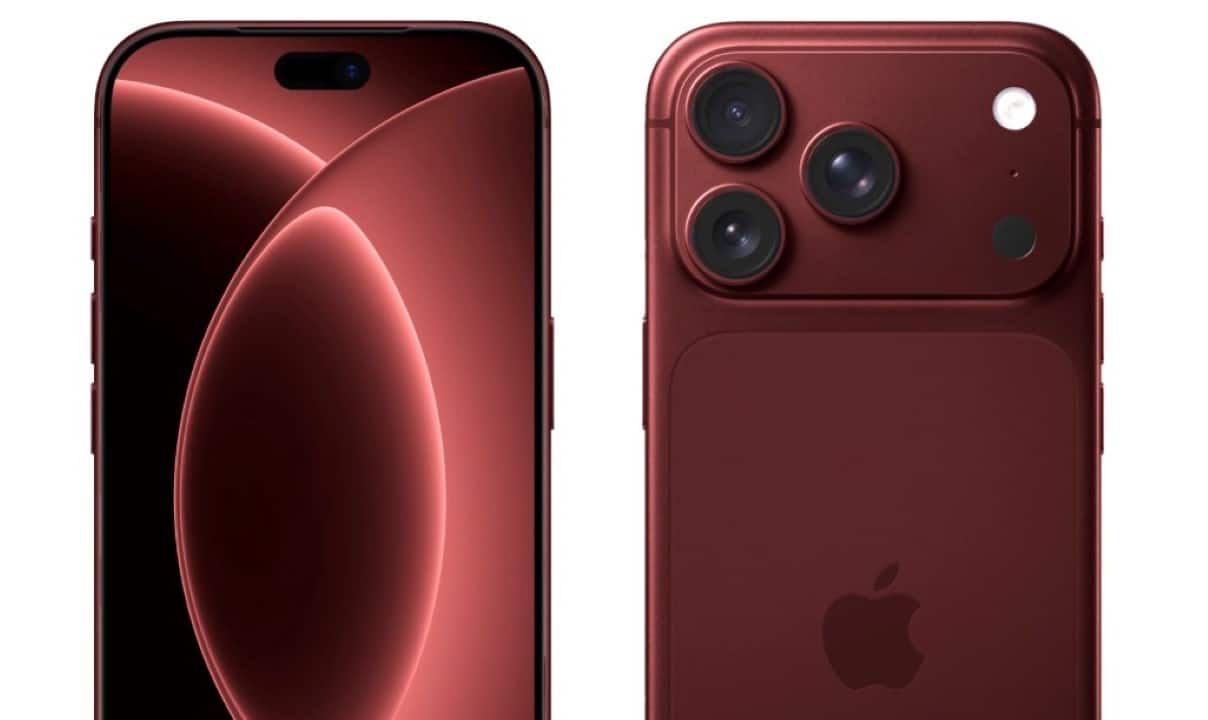
The telecommunications industry registers significant movement with the confirmation of new specifications for the next generation of high-performance mobile devices. Apple announced the development of the iPhone 18 Pro, a device that proposes profound structural changes to the aesthetics and functionality of devices aimed at the most demanding segment of the market.
The project conceived at the company’s headquarters in Cupertino establishes a clear departure from the visual standards adopted in previous lines. The hardware engineering team focused its efforts on enabling an unprecedented format that exposes the smartphone’s internal components, requiring a complete redesign of the assembly chain.
The sector’s forecast indicates that the new models will be available on international retail shelves from September onwards. Essa movement establishes a new level of competition between the main global mobile technology manufacturers.
Materials engineering and chassis development
The implementation of a fully transparent back panel required the creation of an alloy of reinforced glass with exclusive chemical treatment. The material was developed in specialized laboratories to avoid natural yellowing caused by continuous exposure to sunlight and the wear and tear of time.
The new chemical composition of the glass also ensures a superior level of resistance against accidental drops and daily scratches. Essa feature is fundamental to preserving the visual integrity of the equipment, allowing the internal engineering to remain visible even after long periods of use in varying conditions.
For the main structure, the manufacturer selected aerospace-grade titanium, a material recognized for offering extreme structural rigidity combined with reduced weight. The union between the machined metal and the transparent glass required the formulation of a specific industrial adhesive for this production line.
The chemical compound used in the seal ensures the protection of the device against the ingress of water and dust particles. The solution meets the most rigorous international resistance certifications, without compromising the transparency of the rear panel.
Thermal management and expanded energy capacity
The operating autonomy of the new device represents a significant technical advance, made possible by the integration of a power cell with a capacity of 5200 mAh, achieved through a completely redesigned internal architecture that optimizes every millimeter of available space without increasing the physical thickness of the smartphone. With the aesthetic exposure of the components, temperature control became a central challenge, solved by the industrial design team through the application of high-density graphene plates combined with an unprecedented vapor chamber system. Essa thermal dissipation structure acts quickly and silently to remove heat generated by the main processor, protecting the glass panel against overheating and ensuring that the device maintains its maximum performance even when executing complex tasks or games with high graphical demands.
Edge reduction and relocation of front sensors
The equipment’s front panel underwent precise dimensional adjustments, providing 6.3-inch screens in the standard model and 6.9 inches in the larger version. The engineering responsible for the OLED display managed to refine the side frames, maximizing the useful viewing area for the user.
The most significant change to the front interface consists of moving the facial recognition and brightness sensors below the active screen. Essa technical modification reduced the area occupied by the upper cutout by 35%, freeing up space for the operating system status icons.
The development of the hidden biometric sensor required in-depth research to ensure facial reading accuracy. Infrared light now passes through the pixel matrix without distortion, validating the owner’s identity instantly in any ambient lighting condition.
Advanced processing and execution of artificial intelligence
The smartphone’s operations center is driven by a chip manufactured using 2-nanometer lithography, which represents a milestone in the miniaturization of transistors in the semiconductor industry. Este component was specifically structured to execute complex artificial intelligence algorithms locally, drastically reducing the need for processing on cloud-based servers and ensuring greater privacy for user data.
To support the demands of the new processor, the RAM memory capacity was increased to 12 GB, an essential technical specification to keep language models operating in the background without choking. Esse memory volume ensures fluid navigation when switching between multiple applications open simultaneously and allows you to perform heavy tasks, such as simultaneous translation of conversations in real time.
Optical mechanism and lens coating
The rear photographic module incorporates a variable aperture mechanism in the main lens, technology inspired by professional cameras that physically adjusts the light input according to the environment. Mechanical innovation improves depth of field, generating authentic blurs and increasing sharpness in nighttime scenes by reducing visual noise.
All lenses received a laboratory-developed optical coating to mitigate reflections from direct light sources during recording. The zoom system has also been redesigned with a refraction prism that stabilizes the image efficiently when capturing distant or moving objects.
Satellite connectivity and network transition
Radio frequency infrastructure has been expanded to support robust satellite connections, enabling short voice calls and compressed media delivery in areas without cellular coverage. The model also marks the definitive removal of the physical tray for operator chips, consolidating the total transition to virtual line technology in the international market.
Mass production and commercial positioning
The supply chain located at Ásia has begun calibrating the high-precision machinery required to manufacture the titanium chassis and 2-nanometer processor. The objective of the assembly lines is to guarantee an adequate volume of stock for the simultaneous launch of the device in several countries.
The market value of the new equipment will reflect significant investments in research and development of transparent materials. The commercial strategy aims to consolidate the device in the ultra-premium segment, aimed at consumers who demand the highest level of hardware innovation available in the technology sector.




