Apple accelerates manufacturing of iPhone 18 Pro with 5200mAh battery and transparent back design

The global technology sector sees intense movement on Asian assembly lines with the start of large-scale manufacturing of the latest high-end mobile device from Apple. The production schedule was brought forward by automakers to ensure simultaneous global supply at launch, scheduled for the second half of the year. The manufacturer’s logistics strategy aims to avoid a shortage of units on shelves during the first weeks of commercial sales, a period historically marked by high demand and queues in physical stores around the world.
The development of the new device required a complete redesign of the North American manufacturer’s internal architecture and engineering processes. Component assembly now integrates aerospace-grade materials with advanced cooling solutions specifically designed to support ultra-high-speed data processing. The main focus of the assembly line at this time is to stabilize the yield of the unique parts that make up the external structure and image capture modules, ensuring that each unit meets rigorous quality control standards before final packaging.
Supply chain suppliers report a significant increase in orders for precision parts, which indicates an optimistic sales projection by the company. The initial production volume exceeds previous generations, reflecting the need to serve multiple international markets on the same day. Distribution logistics are already being mapped to support the safe transportation of initial batches from factories to regional distribution centers, using chartered air routes and reinforced security schemes to protect industrial secrecy until the date of the official announcement.
Titanium outer shell and revealing glass panel
The chassis of the new smartphone uses an aerospace-grade titanium alloy, a material chosen by engineering to provide high resistance to impacts without compromising the final weight of the device. The metal structure goes through a rigorous computerized machining process, resulting in slightly rounded edges that facilitate ergonomics and daily handling by the user. The brushed finish works effectively to prevent wear marks, fingerprints and superficial scratches resulting from constant friction on pockets and rough surfaces, prolonging the aesthetic integrity of the device over years of continuous use.
The main visual change to the project lies in the adoption of a rear glass panel with transparent properties, which intentionally exposes the organization of internal components. The industrial design reveals the symmetrical arrangement of the motherboard, memory modules and heat dissipation system, creating an aesthetic aimed at electronic engineering and cutting-edge technology enthusiasts. Apesar Due to the transparency and complexity of the assembly, the glass seal maintains certification for resistance to water and dust at the maximum levels required by the market, using high-performance industrial adhesives that prevent the entry of microparticles and liquids under pressure.
Energy capacity and autonomy of use
The device’s power matrix has received a substantial upgrade with the implementation of a high-density battery that tops out at 5200mAh. The leap in charge storage capacity was made possible by a new chemical composition that reduces the physical volume of the energy cell. The technology allows a greater quantity of milliampere-hours to be accommodated in exactly the same internal space used in previous versions of the device.
Electrical consumption management is controlled by algorithms integrated into the operating system, which monitor the owner’s usage patterns to optimize energy distribution between applications running in the background. The hardware architecture was designed to operate at lower frequencies when performing routine tasks, such as reading text and basic navigation. The practical result of this intelligent management is extended autonomy for continuous operations throughout the day, minimizing the need for intermediate recharges.
The recharging system has also undergone in-depth technical revisions to support the new capacity without generating excessive heat in the titanium structure. The power circuit dynamically adjusts the electrical current received, protecting the battery life over years of charge and discharge cycles. Compatibility with magnetic induction bases has been improved to ensure precise coil alignment and energy transfer without significant thermal dissipation losses.
Advanced processing and thermal control
The smartphone’s processing core is manufactured based on two-nanometer lithography, an industrial standard that exponentially increases the number of transistors present on the chip. Extreme miniaturization of circuits results in a leap in performance for complex calculations and real-time image rendering. The processor works in conjunction with 12 GB of RAM, eliminating speed bottlenecks when switching between multiple heavy applications.


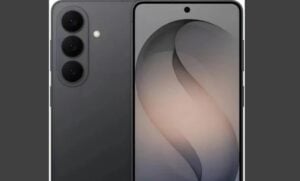
Running continuous high-performance tasks generates a significant amount of heat, requiring a redesigned cooling system from the ground up. The device’s engineering incorporated an enlarged vapor chamber, which covers the most critical areas of the main board and graphics processing module. The internal liquid quickly evaporates and condenses, transferring the high temperature to the ends of the metal housing.
High-conductivity graphene plates were strategically positioned between the display and power components to dissipate residual heat evenly. Thermal distribution prevents specific points on the device from reaching temperatures that are uncomfortable for human touch during prolonged use. The passive cooling mechanism operates completely silently and does not rely on moving parts to maintain operating system stability.
Stress tests carried out in the laboratory indicate that the combination of two-nanometer lithography with the new thermal arrangement prevents the abrupt drop in performance under maximum processing load. The device can maintain a stable frame rate in augmented reality applications and when exporting high-resolution video edits. The chip’s energy efficiency also directly contributes to reducing heat emission at the processing source.
Photographic sensors and image capture
The rear optical assembly integrates a main sensor equipped with variable aperture technology, allowing mechanical adjustment of the light input according to ambient conditions. The lens physically adapts to capture sharp images in high solar incidence scenarios or in night environments with poor lighting. Image signal processing acts in milliseconds to correct optical distortions and apply noise reduction algorithms, delivering photographs with accurate white balance and expanded dynamic range. A special anti-reflective coating has been applied to the crystal lenses to minimize the occurrence of unwanted light artifacts, such as ghost reflections caused by direct light sources falling on the glass. Video recording is supported by state-of-the-art optical stabilization, which compensates for involuntary hand shake in multiple axes of three-dimensional motion. The autofocus system uses depth mapping to track fast-moving objects, maintaining sharpness even in unpredictable action situations. The ability to record files in professional compression formats meets the demand of content creators and videographers who use mobile devices in high-end commercial productions. Color calibration of the preview monitor ensures that captured material faithfully reflects the final result that will be exported to video editing stations.
Satellite communication and network infrastructure
The equipment’s connectivity architecture breaks with traditional standards by integrating the satellite communication module directly into the motherboard, eliminating the need for bulky external antennas. The technology establishes a direct connection with satellite constellations in low orbit, ensuring the transmission of essential data in remote regions devoid of conventional cellular coverage. Além of emergency communication, the terrestrial network infrastructure supports the latest mobile internet bands, ensuring download and upload rates compatible with ultra-high definition video transmission.
The system was designed to operate in emergency situations, allowing the sending of precise geographic coordinates and short text messages to rescue centers, even when the user is in dense forest areas or rugged mountainous terrain. The software interface guides the physical positioning of the device towards the sky to optimize spatial signal reception, reducing latency time when exchanging distress data packets and ensuring the operation of cloud computing systems without noticeable interruptions during intense information traffic.
Screen aspect ratio and commercial positioning
The display with OLED technology features edges reduced by 35%, maximizing the useful viewing area on the 6.3 and 6.9 inch models without increasing the physical dimensions of the metal chassis. The product’s market positioning reflects the high manufacturing cost of premium materials, such as titanium and advanced optical sensors, targeting the device towards the consumer segment that seeks the highest level of technical specifications available in the telecommunications industry.
Veja Tambem em News (EN)

Research reveals that parents are unaware of how their children use artificial intelligence

Samsung releases new system update with new features for Galaxy Watch 4 users

Digital retail reduces the value of the Galaxy S25 5G smartphone with bank bonuses and device exchange
Amazon’s wireless CarPlay adapter has a 50% discount and high approval ratings from drivers

Zach Cregger’s new Resident Evil ignores games and focuses on an unprecedented story with new characters

Rumor suggests that Nintendo is preparing a special edition of the Switch 2 with a remake of Ocarina of Time

Apple accelerates production of the iPhone 17e and develops new Air model with dual camera system

Epic Games platform releases twelve high-budget games at no permanent cost for PC users

PlayStation 5 Pro price drop accelerates digital retail sales and eliminates global stocks

New Galaxy Watch 9 firmware appears on server and confirms progress in software development

Apple’s commemorative project tests cell phone with 1.1 millimeter edge and curved screen for 2027