Apple plans to launch iPhone 18 Pro line with new advanced processor and redesigned design

The technology giant is advancing in the development of its next generation of smartphones, with a special focus on the more expensive versions of the line. Informações behind-the-scenes footage from the components industry indicates that the company prioritizes the production and development of premium variants of the future mobile device. The project involves the implementation of an unprecedented processor, manufactured using state-of-the-art lithography, and a significant aesthetic redesign. The strategy aims to further distance high-end devices from entry-level versions, offering exclusive technologies for consumers willing to invest in cutting-edge hardware.
Commercial strategy focuses on the exclusivity of premium versions
The segmentation of the North American manufacturer’s product portfolio has become more evident with each launch cycle. Para the next generation, the market tactic consists of making the most robust innovations available first in the most expensive models. Essa approach ensures higher profit margins and creates a sense of urgency among technology enthusiasts seeking the latest features available in the global telecommunications market.
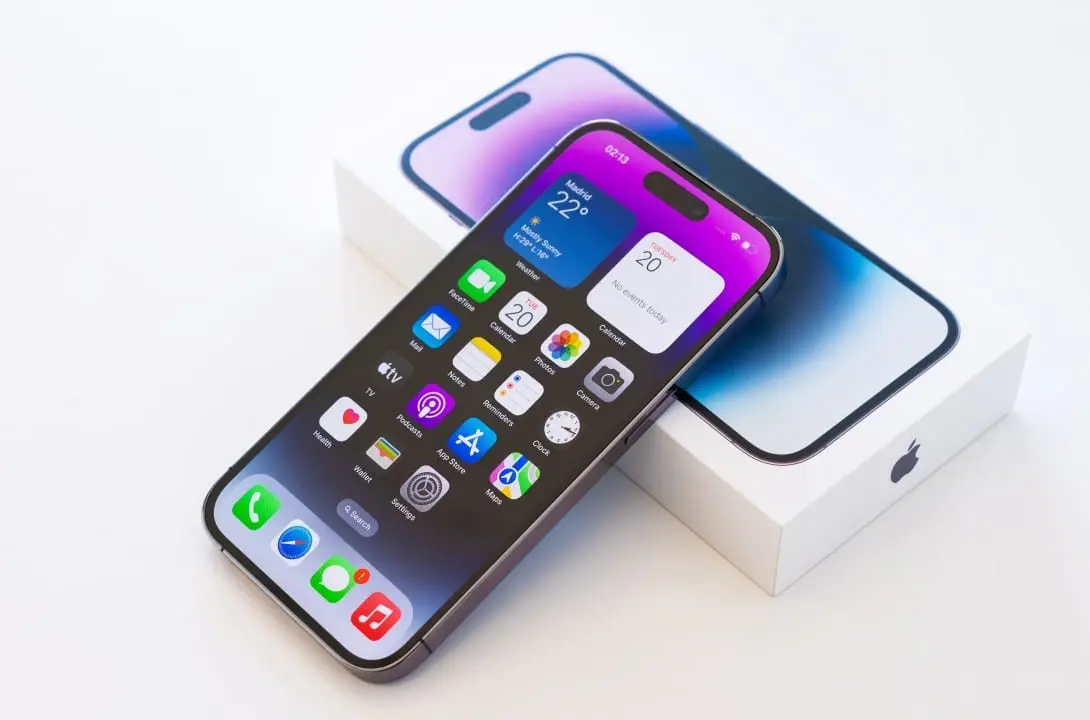
The production flow leaked by Asian suppliers suggests that assembly lines are already preparing the machinery for exclusive components. The differentiation will not only occur in the nomenclature, but in the delivery of a set of hardware that the standard versions will not receive in the same period. The company seeks to maintain leadership in the high-cost smartphone segment, where competition with other brands requires constant updates that are noticeable to the end user.
Advances in processor architecture and energy efficiency
The core component of the new variants will be an in-house developed chip designed to overcome the current limits of mobile processing. The new silicon architecture allows for the inclusion of a massive number of additional transistors in a smaller physical space.
On the same topic: Expected features of the iPhone 18 Pro promise innovations in chip, cameras and 5G connectivity
This miniaturization of electronic components results in considerably faster task execution speed. Aplicativos of video editing, games with complex graphics and productivity tools will run with unprecedented fluidity in the brand’s ecosystem.
Energy efficiency is another fundamental pillar of this new processor. The hardware was designed to consume less battery power when running background processes and everyday communication tasks.
The reduction in energy consumption solves one of the main demands of users of high-performance mobile devices. Intelligent resource management will ensure that the device maintains a stable temperature even under intense and prolonged use.
Visual redesign and new materials in the device structure
The company’s industrial design department is working on modifications to the device’s housing. The expectation is to drastically reduce the edges around the front panel, maximizing the screen’s usable area without increasing the overall dimensions of the electronic equipment.
The side structure must adopt new metal alloys on the assembly line, combining resistance against falls and structural lightness. The rear panel will receive a new glass treatment, making it less susceptible to scratches and fingerprints during daily handling.
The ergonomics of the chassis have been revised to provide a more secure fit in users’ hands. The aesthetic changes aim not only at the beauty of the product, but at functionality and durability in scenarios of extreme use and exposure to natural elements.
Integration of artificial intelligence into the operating system
The improved hardware will serve as the foundation for mass adoption of artificial intelligence tools running locally on the device. The operating system will be able to process complex voice commands and generate texts without the need for constant connection to cloud servers.
Automated functions range from organizing photo galleries to transcribing meetings in real time. The local execution of these tasks guarantees greater response speed and eliminates the latency common in services dependent on high-speed internet.
More on this story: Apple A20 Pro chip: Clarification on performance and energy efficiency leaks
Exclusive features of the camera and sensor module
The photographic set of the more expensive versions will receive image sensors with a larger light collection area, allowing nighttime recordings with practically zero noise level. The device’s optical engineering includes enhanced periscopic lenses for long-range optical zoom without loss of geometric definition. Image processing software will work in conjunction with the new chip to apply color, contrast and sharpness corrections in fractions of a second, delivering professional results directly from the native camera app. Video recording will also benefit from new generation mechanical stabilization and support for file formats used in the film industry, consolidating the device as a work tool for digital content creators and audiovisual professionals.
Updates to screen technology and refresh rate
The display panels will adopt new light-emitting technology, ensuring peak brightness that makes it easier to read in direct sunlight. Color fidelity will be individually calibrated at the factory to meet the standards required by professional designers and photographers.
See Also



The screen refresh rate will maintain dynamic adaptability, varying according to the content displayed. Essa technology reduces energy consumption when displaying static images and increases fluidity during page scrolling and graphical interface animations.
Cybersecurity and user data protection
The security architecture of the new hardware includes an isolated enclave for storing passwords and biometric data. End-to-end encryption will be reinforced at the hardware level, preventing the extraction of information even in the case of unauthorized physical access to the device, guaranteeing the integrity of personal and financial communications.
Learn more: New Apple system update optimizes urgent task management for iPhone users
Software development and application optimization
The manufacturer works closely with partner developers to ensure that third-party applications take immediate advantage of the new hardware. Ferramentas of updated programming has been distributed to software creation studios around the world.
Optimizing the source code of applications will reduce loading times and space occupied on the device’s internal memory. The fluidity of the ecosystem depends on this deep integration between the physical components and the lines of code written by programmers.
Device battery life and thermal management
The internal power cells will undergo chemical redesign to increase charge density without expanding the physical volume of the battery. The heat dissipation system will utilize redesigned vapor chambers to move temperature away from critical motherboard components.
Efficient cooling prevents processor performance from dropping during prolonged sessions of demanding use. Long-term battery life will also be preserved by algorithms that learn the owner’s charging routine and adjust power flow.
Learn more: Apple’s commemorative project tests cell phone with 1.1 millimeter edge and curved screen for 2027
The recharging speed, both via cable and magnetic induction, will receive power increases. The objective is to reduce the time that the device needs to be connected to the socket, giving back hours of use with just a few minutes of charging from the mains.
Connectivity capabilities and wireless networks
The internal modem will support the latest mobile network frequencies, ensuring superior download and upload rates in areas with adequate coverage. Signal stability indoors has been improved through new positioning of the antennas in the metal casing.
Short-range connections will also receive protocol updates, facilitating instant communication with accessories, headsets and home automation systems. Latency in wireless audio transmission will be reduced to levels imperceptible to the human ear.
Implementation of accessibility-oriented resources
The operating system will bring new gesture control and eye tracking options, allowing complete navigation without touching the screen. Sensores in depth will map the environment to assist people with visual impairments in identifying obstacles and reading road signs.
Real-time audio transcription will work natively in phone calls and video conferencing apps. The technology aims to make the device fully usable by any consumer profile, regardless of physical or sensory limitations.