
Apple starts production of the iPhone 18 Pro with 5200mAh battery and unprecedented transparent design

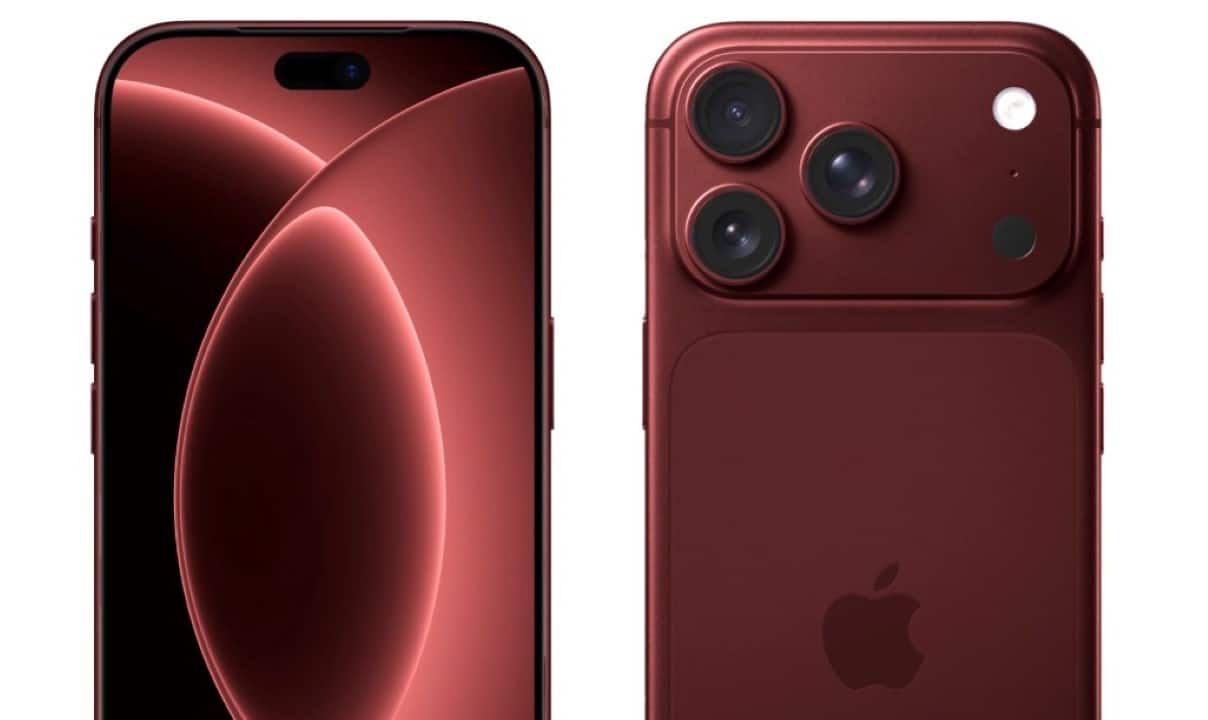
The North American technology giant has begun the final phase of testing and logistical preparation for the launch of its next generation of premium smartphones. The industrial timeline points to the device’s arrival on the global market in the second half of the year, marking a significant overhaul in the aesthetic and hardware standards of the mobile phone industry. The Asian supply chain is already registering a significant increase in the acquisition of essential parts, indicating that mass production is being adjusted to meet simultaneous demand on several continents.
The new project’s main focus is to meet a consumer profile that demands maximum physical durability and energy autonomy for continuous use throughout the day. The company’s Engenheiros integrated aerospace engineering materials with highly energy-efficient internal components, creating a hardware ecosystem aimed at high performance in complex tasks.
The advance assembly strategy aims to avoid the traditional supply bottlenecks that usually occur in the first weeks of sales of high-end devices. Assembly lines operate at maximum capacity to guarantee the formation of strategic stocks before the official announcement, mobilizing the international cargo transport sector.
The development of this model required the restructuring of several lines of research within the company, bringing together industrial design and software engineering teams to optimize the integration between the operating system and the new physical components, ensuring fluid operation from the first activation.
External architecture and building materials
The chassis of the new device integrates aerospace-grade titanium with a new generation of reinforced glass, creating a structure highly resistant to mechanical impacts and accidental twisting. The main visual change lies in the adoption of a partially transparent rear panel, which elegantly exposes the device’s internal components, breaking with the opaque design language used in previous generations of the brand and establishing a new visual identity for the professional line.
This design choice not only has an aesthetic purpose, but also acts directly to facilitate the system’s thermal dissipation. The applied engineering allows the heat generated by the high-performance processor and the battery to be distributed evenly across the entire rear surface of the equipment, preventing overheating concentrated in specific areas during intense use of graphics applications or massive data processing.
Energy capacity and operational autonomy
Power management has received a substantial upgrade with the introduction of battery cells that exceed the 5000mAh mark, reaching exactly 5200mAh in the larger model. Esta capacity was achieved through a new energy density technology, which can store a greater amount of electrical charge in a reduced physical space.
The device’s autonomy was designed to support intense corporate usage routines and the creation of multimedia content without the need for intermediate recharges during business hours. The operating system has undergone a deep optimization process to automatically disable background processes that consume unnecessary energy.
In addition to improvements in physical hardware, machine learning algorithms constantly monitor the owner’s usage patterns to adjust power delivery in real time. Este intelligent management ensures that the chemical degradation of the battery over the years is considerably minimized, extending the component’s useful life.
Advanced processing and system memory
The smartphone’s operating core is powered by a processor manufactured under 2-nanometer lithography, a historic milestone in the miniaturization of transistors in the semiconductor industry. Esta architecture allows command execution speed significantly higher than previous generation models, consuming less energy in the process.
Accompanying the new main chip, the device has 12 gigabytes of RAM memory in all its internal storage variants. Esta technical specification completely eliminates performance bottlenecks when switching between heavy applications and running games with complex three-dimensional graphics.
To avoid thermal throttling during high-demand tasks, engineers implemented an enlarged vapor chamber and multiple layers of graphene inside the chassis. The passive cooling mechanism acts silently and continuously, keeping the hardware temperature always within the safety limits established by international standards.
Preliminary performance tests indicate that the device can render videos in very high resolution and process artificial intelligence tasks locally with extreme fluidity. The fine integration between software and hardware reaches a new level of operational efficiency, ensuring instant responses to user commands.
Innovations in photography and media capture
The rear camera module features a main sensor equipped with variable aperture technology, allowing physical adjustments to the light input in a very similar way to what occurs in dedicated professional photographic equipment. Esta mechanics enable the capture of clear images both in environments with direct sunlight and in extremely dark nighttime scenarios, instantly adapting to local lighting conditions. A dedicated physical capture button has been added to the side of the chassis, offering tactile control over focusing and shooting, which substantially improves ergonomics when recording long videos or photo shoots on the go. Image processing is complemented by a neural engine dedicated exclusively to noise correction and real-time color enhancement. The lenses received a special anti-reflective coating that minimizes light distortions caused by artificial light sources, ensuring absolute visual fidelity. The optical stabilization system has been recalibrated to compensate for sudden tremors, delivering cinematic-quality video recordings even when the user is walking or running, consolidating the device as a viable tool for digital content producers and journalists in the field.
Satellite connectivity and emergency communication
The device’s communication infrastructure transcends traditional cellular networks by incorporating a satellite connection module directly integrated into the motherboard, eliminating exclusive dependence on terrestrial antennas. In situations where the user is in remote areas, dense forests or regions affected by natural disasters that destroyed the local network, the smartphone can establish direct contact with constellations of satellites in low orbit.
This functionality allows sending not only short text messages with geolocation coordinates, but also compressed voice packets and small media files to rescue services or emergency contacts. The software guides the user through an intuitive graphical interface on how to point the device at the sky and maintain the correct alignment with the satellite during data transmission, while partner operators update their protocols to integrate alerts into public safety systems.
Screen dimensions and front usage
The front panels use state-of-the-art OLED technology, available in sizes of 6.3 inches for the standard version and 6.9 inches for the expanded edition. Display engineering managed to reduce the black borders around the screen by approximately 35%, maximizing the usable viewing area without increasing the overall physical dimensions of the device, which provides a superior immersive experience during media consumption and daily browsing.
Market strategy and distribution logistics
The final assembly of the devices has already begun its acceleration schedule in partner factories located on the Asian continent, mobilizing thousands of workers on the production line. The manufacturer’s objective is to accumulate an initial stock robust enough to support simultaneous demand in dozens of countries on the first day of sales, avoiding traditional waiting lines and the scarcity of specific models on global shelves.
The price positioning must reflect the high cost of the materials used in manufacturing, such as aerospace-grade titanium and new complex photographic sensors, directing the product towards the very high-income segment. The marketing strategy will focus on the extreme durability of the chassis, the innovation of the transparent design and the exclusive communication capabilities, seeking to attract consumers willing to invest in cutting-edge technology with a long useful life.



