
Capcom prepares releases of Resident Evil 9 and 10 as well as new remakes for the horror franchise

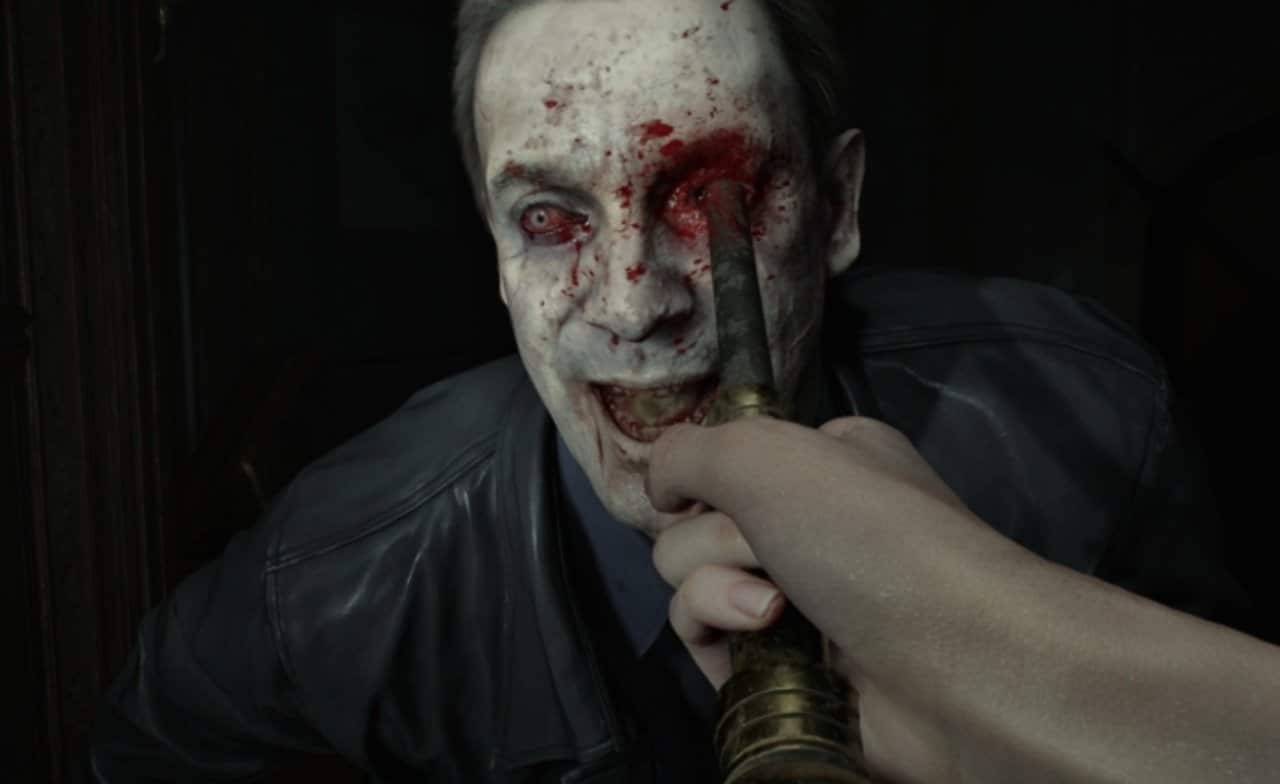
Japanese developer Capcom has established a new strategic guideline for the coming years, focused entirely on the continued expansion of its flagship survival horror intellectual property. The company plans a series of sequential releases that include new titles and the recreation of classic games loved by the public.
The production company’s main objective is to maintain the brand’s relevance in the global digital entertainment market over the next decade. Para To achieve this goal, the company has structured a robust development plan that aims to avoid long periods without news for consumers.
The information details that the strategy ranges from the modernization of internal creation systems to the delivery of unprecedented gameplay experiences. The intention is to attract a new generation of players while meeting the expectations of veteran fans who have followed the series since its inception.
Production strategy and technological updates
To sustain this accelerated pace of releases, the developer is promoting a profound restructuring of its working methods and the tools used by its programming and art teams. The company’s proprietary graphics engine, known for delivering high-fidelity visuals and optimized performance, will undergo significant upgrades to support more complex and detailed worlds. Essa Technological evolution will allow multiple internal studios to work simultaneously on different projects in the same franchise without compromising final quality or delaying established deadlines. Além In addition, the company is expanding its staff and reallocating financial resources to ensure that large-scale production is sustainable in the long term. The board understands that consistency in the delivery of high-level products is the determining factor in maintaining investor confidence and the engagement of the global community of players, requiring a perfect alignment between the directors’ creative vision and the technical capacity of software engineers.
Return to the classics with new technologies
A fundamental part of the planning involves recreating titles originally released in the early 2000s, bringing established stories to current visual and mechanical standards. The producer has identified that there is a significant demand for modern versions of games that defined the horror genre, and plans to use its cutting-edge technology to reinterpret these universes. The modernization process is not just limited to graphical improvements, but includes the complete reformulation of controls, camera angles and narrative rhythm, adapting old works to the tastes of contemporary consumers.
These recreation projects have release dates estimated to occur by the end of the current decade, with some specific titles scheduled to hit the market around the year 2027. The strategy of interspersing new games with updated versions of classics allows the company to maintain a constant flow of revenue while offering varied experiences. Dessa way, the developer is able to maximize the return on investment in its intellectual property, taking advantage of the nostalgia of older players and the curiosity of newcomers.
Innovations expected for the ninth chapter
The next main title in the original timeline promises to introduce drastic changes to the traditional exploration and survival formula. Developers are integrating open-world elements, allowing players to navigate vast, interconnected environments more freely and organically.
This new geographic approach will be accompanied by unprecedented biological threats, requiring the public to adapt their combat and resource management strategies. The enemies’ artificial intelligence will also receive improvements, making confrontations more unpredictable and challenging in wide spaces.
The setting of the ninth main chapter should explore remote and isolated locations, expanding the series’ mythology beyond the usual urban settings and underground laboratories. The creative team seeks to deliver an atmosphere of constant tension, where danger can arise from any direction on the expanded map.
Long-term planning with the tenth game
Looking even further into the future, the company has already begun the preliminary conceptualization stages for the tenth game in the main series. The internal forecast points to a commercial launch at the end of the decade, marking a significant turning point for the franchise’s global narrative.
This project is treated internally as a historic milestone that will define the brand’s creative and technological guidelines for the following thirty years. The responsibility placed on this title requires the writing team to develop plots that connect loose ends from the past while paving the way for new story arcs.
The creators plan to introduce a renewed cast of protagonists and antagonists, gradually reducing the dependence on the classic characters that have led the series in recent decades. Essa transition aims to ensure the longevity of intellectual property, allowing new generations of consumers to identify with contemporary figures.
The production of the tenth chapter will also serve as a testing ground for new interaction mechanics and advanced physics systems. The intention is for the game to set a new standard of quality in the industry, influencing the development of future action and horror titles.
Distribution and market reach
The developer’s commercial strategy includes maintaining a careful balance between physical sales and digital distribution. The company recognizes that, although the digital market offers higher profit margins, a presence in physical stores is still vital for marketing and reaching consumers in regions with limited internet infrastructure.
To optimize these logistics, the company is investing in global publishing and distribution partnerships, ensuring that its products reach all major gaming platforms simultaneously. The goal is to create synchronized worldwide launches that maximize initial reach and generate immediate engagement across social media and live streaming platforms.
Expansion into other entertainment media
In addition to electronic games, the expansion plan covers the continuous production of films, computer graphics animations and a wide line of licensed products. The company understands that presence in multiple media strengthens brand recognition and attracts a diverse audience that may not traditionally consume games.
Licensing divisions are working together with film studios and streaming platforms to ensure that audiovisual adaptations maintain the essence and quality demanded by fans. Essa synergy between different entertainment formats creates a profitable and self-sustainable ecosystem for intellectual property.
Consolidation in the horror sector
With all these initiatives underway, the Japanese developer seeks to solidify its position of absolute leadership in the survival horror game segment. The precise execution of this long-term planning is seen as ensuring that the franchise will continue to set market trends, surpass competitors and redefine the limits of interactive entertainment for the next generations of consumers around the world.



