
Consumers demand new version of the seven-seater Toyota Prius with a focus on hybrid efficiency

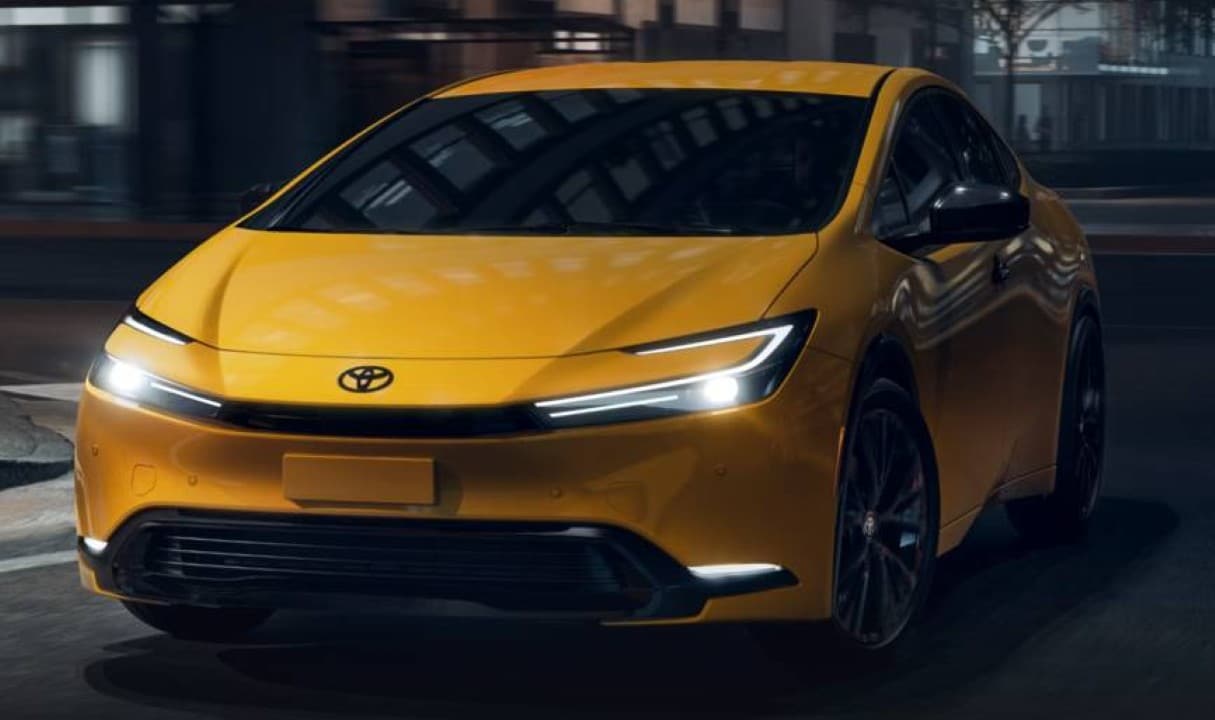
The demand for family vehicles with high energy efficiency is experiencing significant growth in the global automotive sector. Motoristas and enthusiasts of the Japanese brand Toyota show renewed interest in a specific seven-seat configuration based on the Prius range. The movement occurs at a time of technological transition, where fuel economy becomes the main purchasing decision factor.
The original model, known in several markets as the Prius Alpha or Prius v, built a solid consumer base during its decade of production. The manufacturing halt left a gap in the compact minivan and hybrid station wagon segment. Proprietários current vehicle owners are reluctant to exchange their cars for conventional SUVs due to the difference in fuel consumption.
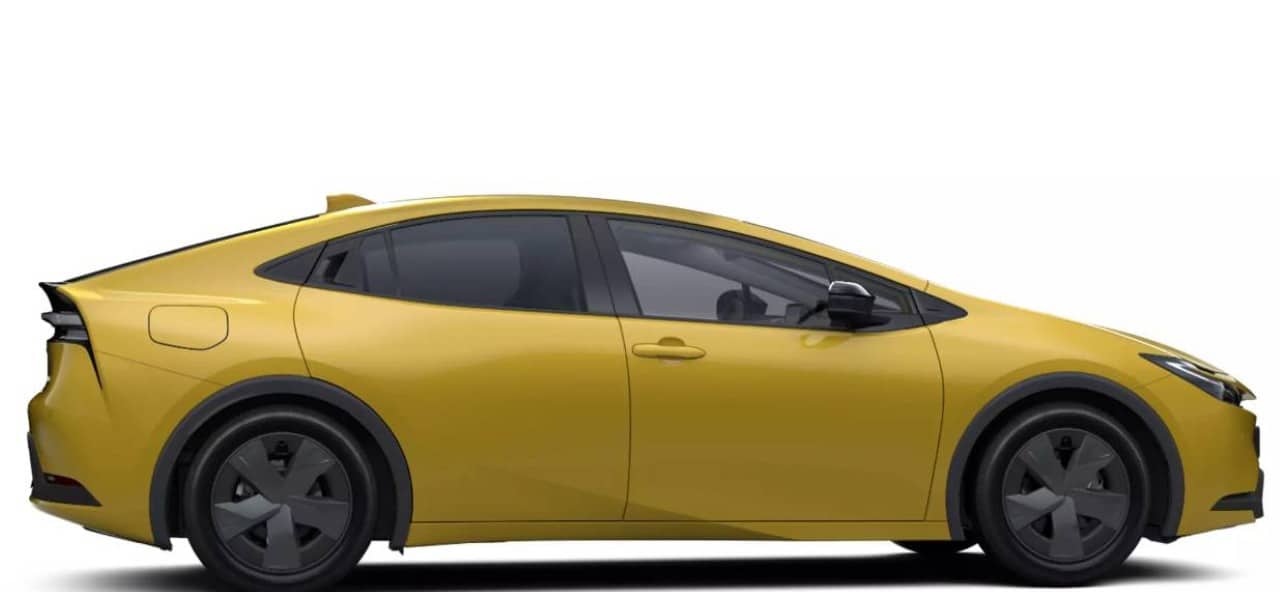
Discussions about a possible successor are gaining strength behind the scenes in the automobile industry. The combination of an elongated body with the automaker’s fifth-generation electrified propulsion system represents a viable technical solution. The market awaits an official position on the development of a new platform aimed at large families.
Historical context of the hybrid minivan in the global market
The original vehicle began its commercial trajectory in 2011, offering a practical alternative for consumers who needed more internal space without sacrificing savings. The engineering team at the time developed an extended body that allowed the inclusion of a third row of seats, accommodating up to seven passengers. The design strategy kept the aerodynamic coefficient close to that of the traditional hatchback model, ensuring that wind drag did not harm the performance of the electric engine in conjunction with the combustion engine. Production continued until 2021, a period in which the market began to experience a strong migration towards sports utility vehicles.
During its life cycle, the car stood out for its pioneering adoption of lithium-ion batteries in the seven-seater version, a technical necessity to save floor space and allow the assembly of extra seats. The five-seater version, in turn, used nickel-metal hydride batteries, positioned differently. Essa technological differentiation demonstrated the automaker’s ability to adapt complex systems to maximize internal habitability. The end of the assembly line left thousands of customers without a direct upgrade option within the same body format, generating the current scenario of prolonged retention of used vehicles.
Change in consumer behavior and the search for space
Drivers’ preference undergoes a technical and financial reassessment given the current economic scenario. Utilitários sports cars, although popular, have a larger frontal area and greater curb weight. Esses physical factors result in higher fuel consumption when compared to vehicles with a lower and more aerodynamic profile.
Families with transportation needs for seven people will find limited options that offer the same efficiency as a dedicated hybrid system. The architecture of a compact station wagon or minivan allows for a lower center of gravity. Essa engineering feature improves directional stability on highways and reduces body roll when cornering.
The return of a model with these specifications would directly serve a market niche neglected by recent trends. Motoristas of apps and taxi drivers also represent a significant portion of this pent-up demand. The reduced operating cost per kilometer driven is the main attraction for passenger transport professionals.
Technical characteristics and aerodynamics of the family model
The design of a seven-seater vehicle focused on efficiency requires specific engineering solutions for airflow control. The teardrop silhouette, characteristic of the Prius line, needs to be lengthened without creating turbulence zones at the rear. The extended roof guarantees headroom for third-row occupants.
Estimated dimensions for a modern project include a length of more than 4.60 meters and an extended wheelbase. The completely flat floor is a fundamental requirement for passenger comfort and the versatility of the cargo compartment. The modularity of the seats allows for complete folding, creating a level surface for transporting long objects.
The use of lightweight materials in the construction of the body compensates for the additional weight of the seats and the hybrid system. Ultra-high-strength Aços are applied to structural columns to ensure torsional rigidity and safety in the event of collisions. Acoustic insulation receives special attention to minimize wind noise at cruising speeds.
The integration of active aerodynamic components, such as fins on the front grille that close to reduce drag, contributes to overall efficiency. The design of the alloy wheels also prioritizes smooth air passage. Cada external detail is designed in a wind tunnel to maximize the vehicle’s autonomy.
Modern platform and integration of new technologies
The adoption of the automaker’s global modular architecture, known by the acronym TNGA, provides the structural basis for the development of new family vehicles. Essa platform allows the installation of independent suspension systems at the rear, replacing the torsion beam used in previous generations. The technical change provides a higher level of comfort for passengers in the last rows and improves driving dynamics on uneven roads.
The instrument panel and user interface follow the standard of the fifth generation of the hatchback model, with high-resolution digital screens and advanced driver assistance systems. Radares millimeter wave and high-precision cameras monitor traffic around the vehicle, offering autonomous emergency braking and adaptive cruise control. The onboard electronics manage the distribution of power between the electric motors and combustion in a way that is imperceptible to the occupants.
Hybrid system performance in large vehicles
The latest generation hybrid powertrain presents a significant leap in terms of combined power and thermal efficiency. The Atkinson cycle combustion engine, with optimized displacement, works together with more compact and powerful electric motors. The high-energy density lithium-ion battery stores electricity recovered during braking and deceleration, providing instant torque when accelerating. In a vehicle designed to transport seven people and luggage, the system calibration prioritizes power delivery at low speeds, ensuring agility in urban traffic and safety when overtaking on the highway. The thermal management of the powertrain ensures optimal operation even in extreme weather conditions or under maximum load. The efficiency of this system allows consumption averages that rival entry-level compact vehicles, drastically reducing pollutant emissions and fueling costs throughout the car’s useful life. Onboard software engineering analyzes the route through the navigation system to optimize the use of electrical energy, anticipating climbs, descents and areas of heavy traffic.
Market comparison between SUVs and station wagons
The automotive industry has directed billions in investment into the development of SUVs, based on consumers’ visual preference for elevated driving positions. However, physics imposes limits on the efficiency of these vehicles due to the greater aerodynamic drag area. Compact station wagons and minivans offer the same useful interior volume with a considerably smaller aerodynamic signature.
The lower production cost of a vehicle also presents competitive advantages. The suspension does not require oversized components to contain body roll, and the tires have more conventional sizes, reducing maintenance costs for the owner. The rationality of the design attracts buyers focused on total cost of ownership rather than just aesthetic appeal.
Environmental demands and the future of large families
Global greenhouse gas emissions regulations force automakers to reduce the average consumption of their fleets. Veículos seven-seater family cars equipped with exclusively combustion engines face difficulties in meeting these strict standards. The expansion of hybrid technology to the format of minivans and station wagons represents the most viable technical solution to maintain the supply of high-capacity transport with low environmental impact.




