
Consumers demand the return of the seven-seater Toyota Prius with hybrid engine and aerodynamic design

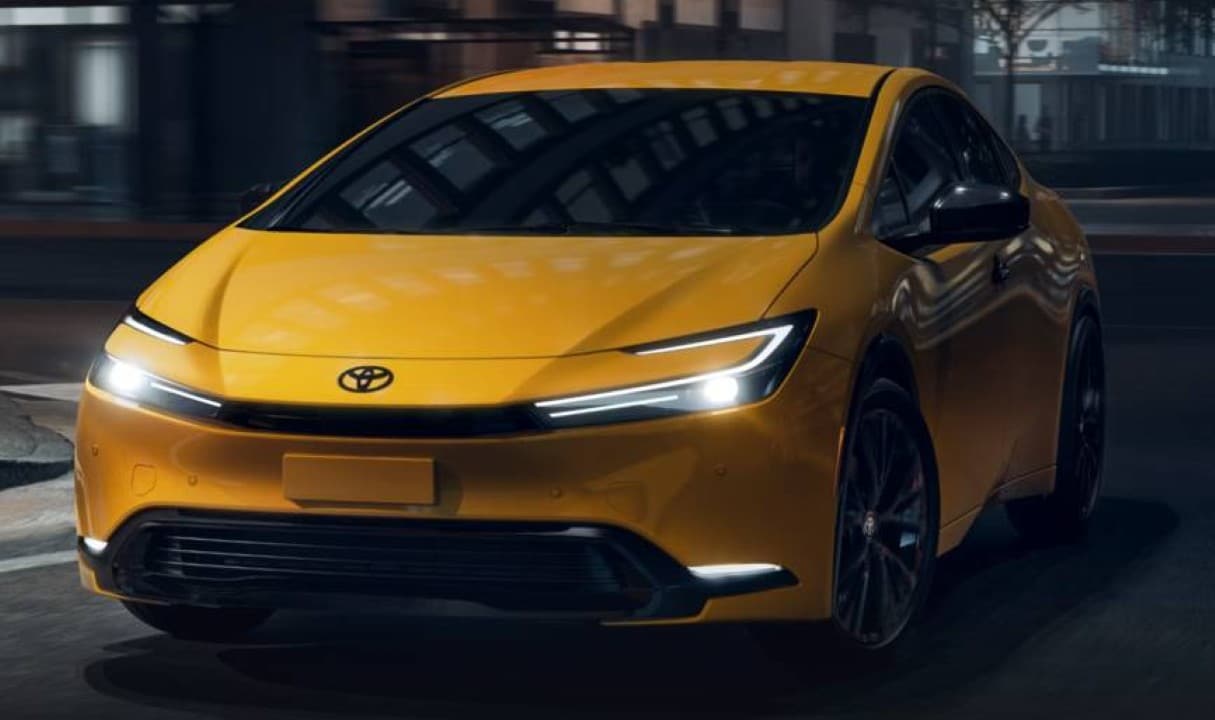
The global automotive market is seeing a growing movement of consumers looking for efficient alternatives for family transport. Após the launch of the fifth generation of the Japanese automaker’s most famous hybrid vehicle, which redefined design standards and aerodynamic efficiency, the demand for spacious vehicles once again gained strength. Motoristas and large families show a renewed interest in configurations that offer greater passenger capacity without compromising fuel economy.
The gap left by discontinued models generated significant expectation around a possible successor for the hybrid station wagon segment. The search for a vehicle that comfortably accommodates seven people has become a challenge, especially with the predominance of sports utility vehicles that do not always deliver the same driving dynamics. Automotive engineering faces the pressure of developing solutions that combine the interior space of a minivan with the agile performance of a sedan.
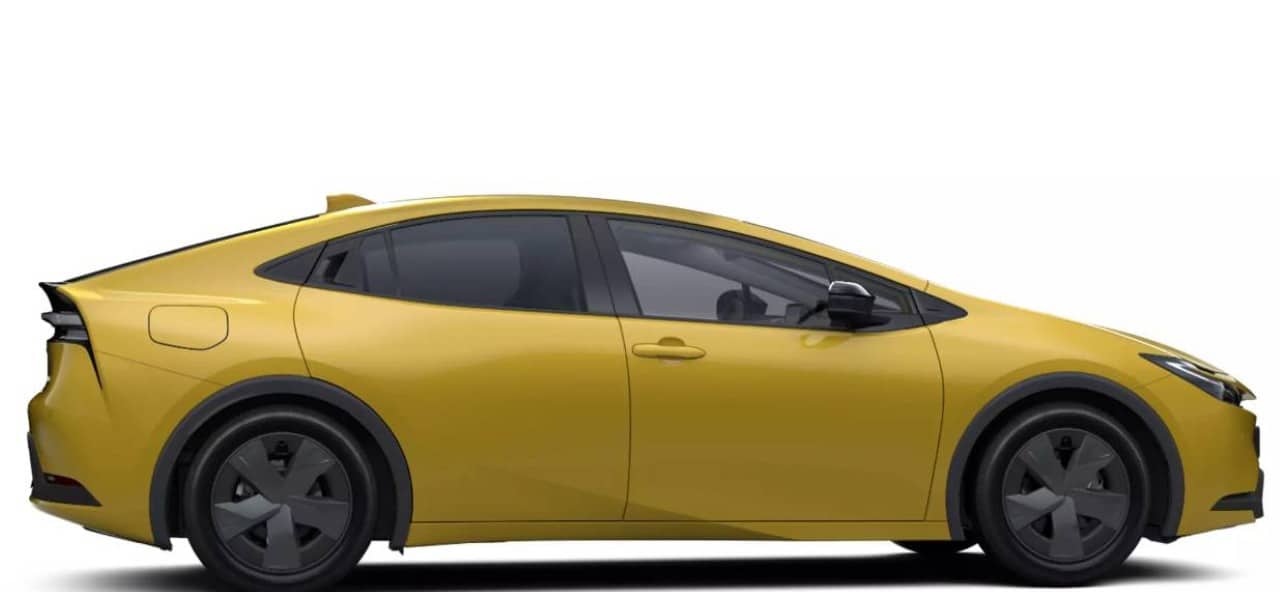
Faced with this scenario, the industry is registering an increase in requests for projects that restore the versatility of old station wagons. The focus is on the ability to integrate electrified propulsion systems into elongated bodies, ensuring that the additional weight of the batteries does not compromise the trunk volume or the comfort of occupants in the third row of seats.
The legacy of the family model in the automotive market
Between 2011 and 2021, the automaker sold an extended version of its main hybrid vehicle, known in several markets as Prius Alpha. Este model was specifically designed to meet the needs of families who required more space than the traditional hatchback could offer. The vehicle’s architecture allowed the inclusion of a third row of seats, accommodating up to seven passengers in a practical and functional way.
During its decade of production, the model gained a loyal customer base, attracted by the promise of low fuel consumption combined with daily utility. The elongated body provided a generous load compartment when the rear seats were folded down, making the car ideal for long journeys and transporting larger volumes. The reliability of the hybrid system consolidated the vehicle’s reputation among urban and fleet drivers.
The cessation of production in 2021 left owners without a direct upgrade option within the same category. Desde So, many drivers have been extending the useful life of their old vehicles, waiting for a launch that offers the same fundamental features. The absence of a direct replacement has created pent-up demand that is now beginning to manifest itself more clearly in dealerships and specialized forums in the automotive sector.
Limitations of Current Options for Families
Currently, the automaker’s catalog offers alternatives that, although competent, do not fully meet the requirements of former owners of the hybrid station wagon. The Corolla Touring, for example, features an attractive design and excellent drivability, but its interior space and cargo capacity are considered limited for larger families. The absence of a seven-seat option in this model restricts its appeal among the public that requires maximum capacity.
On the other hand, models like the Noah offer the necessary space, but adopt the traditional minivan format. Essa configuration results in a vehicle with a high center of gravity and a large frontal area, which impairs aerodynamics and increases fuel consumption on highways. Além Furthermore, the driving dynamics of a minivan differ significantly from the stability provided by a vehicle that is lower and glued to the ground.
SUVs like the RAV4 dominate current preferences, but present their own challenges in the urban environment. The significant width of these vehicles makes parking in narrow spaces and navigating congested streets in large cities difficult. Embora offer all-wheel drive and a high driving position, space in the third row, when available, is usually restricted and uncomfortable for adults on longer journeys.
The forced transition to SUVs or minivans has left a considerable portion of consumers dissatisfied. Esses drivers seek the agility of a passenger car combined with the transport capacity of a van, an equation that only the station wagon format can balance with precision. Dissatisfaction drives rumors about the development of a new platform focused strictly on this niche market.
Engineering focused on stability and space
Behind-the-scenes information from the industry indicates that a new project would be in the design phase, adopting precise dimensions to maximize utility without compromising drivability. Estima The vehicle is expected to have a total length of 4,615 mm, a width of 1,775 mm and a height of 1,575 mm. Essas measures guarantee a solid presence on the road, maintaining the aerodynamic profile essential for energy efficiency and facilitating use in underground garages with height restrictions.
Maintaining a low center of gravity is an absolute priority in the engineering of this family body type. By avoiding the excessive height of traditional minivans, the design ensures dynamic behavior similar to that of a sedan, drastically reducing body roll in curves and providing greater comfort for passengers. Essa estabilidade é crucial para evitar o enjoo em viagens longas, um problema frequentemente relatado por ocupantes das fileiras traseiras em veículos mais altos e suscetíveis a ventos laterais.
Internal reorganization and battery technology
The biggest technical challenge in developing a seven-seater hybrid station wagon lies in the positioning of the high-voltage battery pack. To ensure that trunk space and the area for the third row of seats remain unobstructed, engineers need to find creative structural packaging solutions. The strategy involves allocating energy modules under the front seats or integrated along the center console, intelligently utilizing the vehicle’s longitudinal space. Essa architecture not only preserves cargo capacity for luggage, but also contributes to optimal weight distribution between the front and rear axles, improving traction and steering system response. The continued evolution of battery cells, which have become more compact, lighter and denser in energy storage, facilitates this integration without sacrificing the system’s electric range or passenger legroom.
Aerodynamic advantages over SUVs
The elongated, low silhouette of a station wagon offers significantly less air resistance compared to the robust, upright profile of SUVs. The optimized aerodynamic coefficient allows the electric motor to operate for longer periods at cruising speeds, reducing dependence on the combustion engine and maximizing the efficiency of the hybrid system.
This fluidity in the air passage directly translates into financial savings for the owner at gas stations. In highway tests, vehicles with a station wagon body demonstrate superior mileage, proving that intelligent, aerodynamically focused design can overcome the brute force of larger engines when the main objective is maximum energy efficiency in daily transport.
Changing urban consumer behavior
The market is registering a slight, but constant, change in the perception of urban drivers, who are beginning to question the real need for vehicles with off-road appeal for strictly city use. Rationality once again influences purchasing decisions, prioritizing cars that offer ease of maneuvering, low maintenance costs, adequate visibility and reduced emissions, characteristics that are inherent to modern station wagons developed on advanced global platforms.
Mobility and energy efficiency requirements
Increasingly strict environmental regulations in several countries are putting pressure on automakers to diversify their portfolios beyond heavy and large SUVs. The introduction of family models with low aerodynamic drag and state-of-the-art hybrid propulsion becomes a vital strategy to meet global carbon reduction targets and avoid severe government fines.
The return of a classic format, fully updated with the latest electrification and active safety technology, represents a logical step forward for the automotive industry. Consumidores and industry experts agree that the union of generous space for seven occupants and an efficient hybrid system will form the basis of sustainable family mobility in the coming years, meeting a demand that the current market has left unattended.




