
Developer Capcom plans release of Resident Evil 10 and new remakes of the horror franchise

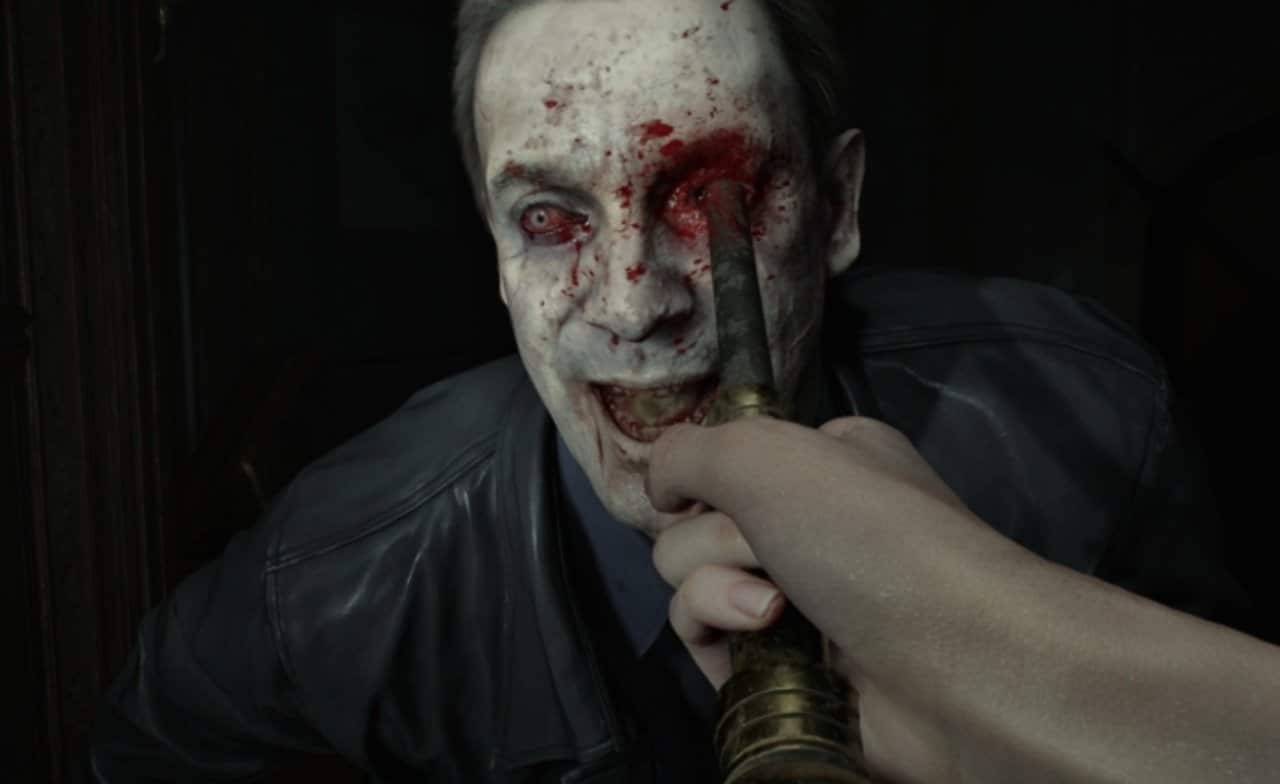
Japanese production company Capcom has laid out a robust timeline for the future of its flagship survival horror franchise. The company’s internal plans encompass the simultaneous production of multiple titles, ensuring the brand’s continued presence in the global digital entertainment market over the coming years. The corporation’s focus is to expand the reach of intellectual property through different development fronts.
The central strategy involves the continuity of the main line of games, advancing in a structured way to the ninth and tenth numbered chapters of the saga. The company’s objective is to maintain public engagement through regular releases, avoiding prolonged hiatuses that could reduce consumer interest in the series. Maintaining an active calendar is seen as fundamental to the studio’s financial health.
In parallel with new projects, the developer remains focused on revitalizing classic works from its historical catalog. The production of remakes of older titles aims to attract both veteran players and a new generation of users who had no contact with the original versions released in the early 2000s, unifying the fan base under a modern gameplay standard.
Development strategy and release schedule
Managing multiple simultaneous projects requires restructuring the production company’s development teams, dividing work efficiently. Diferentes internal studios and third-party partners are given responsibility for leading specific projects, allowing the creation of one game not to interfere with the progress of the other. Essa division of tasks optimizes the use of the company’s proprietary graphics engine, facilitating the sharing of technological resources, animation tools and programming solutions between the various teams involved in expanding the franchise.
Corporate planning establishes a release window interspersed between new titles and completely remade versions of old games. Essa commercial cadence ensures that the brand remains prominent on physical shelves and in digital stores constantly, generating continuous revenue. The approach also dilutes the financial risks inherent in the video game industry, as the capital generated by a successful launch helps finance the high production costs of projects that are still in the early stages of conception and design.
Expansion of the universe with the ninth chapter of the main series
The next big step for the current timeline is the introduction of the ninth numbered game in the franchise, which is already in an advanced stage of production. The project promises to implement significant changes to the progression structure, adopting open-world elements that offer users greater freedom of exploration compared to the restricted maps of the past.
The technology used to create broad scenarios derives from recent advances in the company’s graphics engine, previously tested in other intellectual properties focused on RPG and fantasy. Adapting this complex system to the horror genre requires precise adjustments to the dynamic lighting and artificial intelligence of enemies to maintain the atmosphere of constant tension.
The level design abandons traditional linear corridors in favor of much more vast and detailed interconnected areas. Essa paradigm shift forces developers to rethink the distribution of resources across the map, such as ammunition and healing items, to preserve the fundamental aspect of survival that has defined the series’ identity since its creation.
Return to the classics with new versions of old titles
The strong market demand for modernization of classic games drives the production of new remakes within the company’s structure. Projetos focused on stories that precede the main events of the original saga, as well as direct continuations of absolute classics, are undergoing a deep graphical and mechanical update.
The recreation process involves permanently replacing the old fixed camera angles with a third-person perspective positioned over the character’s shoulder. Essa change drastically modernizes the gameplay, aligning movement and aiming controls with the standards established by the producer’s most recent commercial successes.
In addition to the complete visual redesign, the original scripts undergo careful revisions to correct narrative inconsistencies and deepen the psychological development of the protagonists. The rewriting of dialogues and the addition of new text documents spread across the scenarios enrich the mythology of the fictional universe, better connecting the isolated plots.
The modernization also covers the sound department, with the complete re-recording of musical tracks and audio effects using state-of-the-art spatial sound technologies. Audio design plays a key role in building the suspenseful mood, alerting players to unseen threats in the environment through directional sound cues.
Long-term planning for the brand’s tenth game
The company’s strategic planning already includes the pre-production phase of the tenth chapter of the main series, with a release window projected for the end of the current decade. The title has the complex mission of ending narrative arcs started in previous games and, simultaneously, establishing a new starting point for the future of the franchise in the market.
Designing a project of this magnitude requires years of technological research and development of new mechanics for interacting with the environment. The creative teams work on developing new visual concepts and prototyping game systems that can innovate the survival horror genre, maintaining the brand’s relevance in a highly competitive scenario.
Impact of graphics technology on player immersion
The continuous evolution of the developer’s proprietary graphics engine dictates the pace of technical innovations present in new big-budget releases. The ability to render textures at ultra-high resolution, combined with advanced global illumination and real-time ray tracing systems, creates photorealistic environments that amplify the user’s sense of immersion. Physics applied to character models and mutant creatures allows for more natural reactions to ballistic impacts, altering the way players approach melee and ranged combat. The partial destruction of scenarios and the deformation of materials add a layer of unpredictability to clashes, requiring quick adaptation tactics. Rigorous source code optimization ensures that these visual advancements run smoothly on the latest hardware platforms on the market, eliminating obstructive loading screens and maintaining continuity of the interactive experience from the beginning to the end of the digital journey.
Intellectual property management and multimedia expansion
The brand’s commercial strength transcends the traditional video game market, driving the creation of licensed products and official adaptations for other entertainment media. Strategic coordination between game launches and the premiere of live-action films, computer graphics animations and television series strengthens the global recognition of intellectual property, attracting new consumers who consume horror entertainment primarily on video streaming platforms.
Adaptation of the survival game market
The industry sector focused on horror and survival games is undergoing constant transformation, driven by the technical demands of an audience increasingly familiar with the conventions of the genre. The need to innovate in mechanics without losing the original essence of vulnerability is the main challenge faced by directors and producers in development studios today.
The introduction of more complex inventory management systems and mathematically calculated scarcity of resources maintain tension throughout the campaign’s progression. Adaptive artificial intelligence, which actively modifies the tactical behavior of enemies based on the player’s actions and performance, prevents the experience from becoming repetitive or predictable after the first few hours of exploration.
Maintaining the fan base through continuous releases
The loyalty of the global consumer public is sustained by the consistent delivery of products that meet rigorous technical, visual and narrative quality standards. The corporate strategy of alternating between completely new titles and recreations of established classics caters to different player profiles, from nostalgic players looking to relive childhood memories with state-of-the-art graphics to newcomers looking for modern gameplay experiences without the weight of decades of continuity. Structured post-launch support, with the addition of extra game modes, timed challenges, and story expansions via downloadable content, significantly extends the life of each product in stores. Transparent communication from producers about development roadmaps and the direct incorporation of feedback from the gaming community into software updates demonstrate the company’s commitment to aligning its productions with users’ real expectations, consolidating trust in the brand in the long term.
Creative direction for the next chapters of the saga
The art direction of the company’s future projects strikes a delicate balance between oppressive psychological horror and tactical survival action. The chosen color palette, the grotesque design of creatures and the labyrinthine architecture of the scenarios are meticulously designed to convey a constant feeling of isolation, despair and vulnerability to the player.
Character development focuses on humanizing the protagonists, exploring their past traumas and personal motivations in situations of extreme stress. The environmental narrative, told silently through visual details in the scenarios and textual documents spread across the map, complements the main story without interrupting the natural flow of gameplay.
The integration of logical puzzles, organically inserted into the architecture of the environments, challenges users’ ability to observe and solve problems. Esses moments of pause in the frenetic action serve to pace the pace of the adventure, allowing psychological tension to gradually build up before the next major confrontation against stage bosses.



