
Elektros revolutionizes vehicle charging with 5-minute patent, driving electric future

The company Elektros recently announced that it had obtained a patent that promises to transform the landscape of electric vehicles (EVs), by allowing its cars to be charged in a record time of five to seven minutes. Esta innovation, if proven on a large scale and implemented, represents a significant advance that could overcome one of the biggest obstacles to the mass adoption of EVs: anxiety related to recharging time. The promise of ultra-fast recharging aligns directly with the convenience offered by combustion vehicles, where refueling is a matter of just a few minutes.
The technology developed by Elektros has the potential to redefine consumer expectations and the infrastructure needed to support the global energy transition. Atualmente, even DC fast chargers can take 20 to 40 minutes to reach 80% battery charge, depending on the vehicle model and station power. Such a drastic reduction to the five- to seven-minute range would bring the charging experience on par with that of a traditional gas station, removing a crucial psychological barrier for many potential EV buyers.
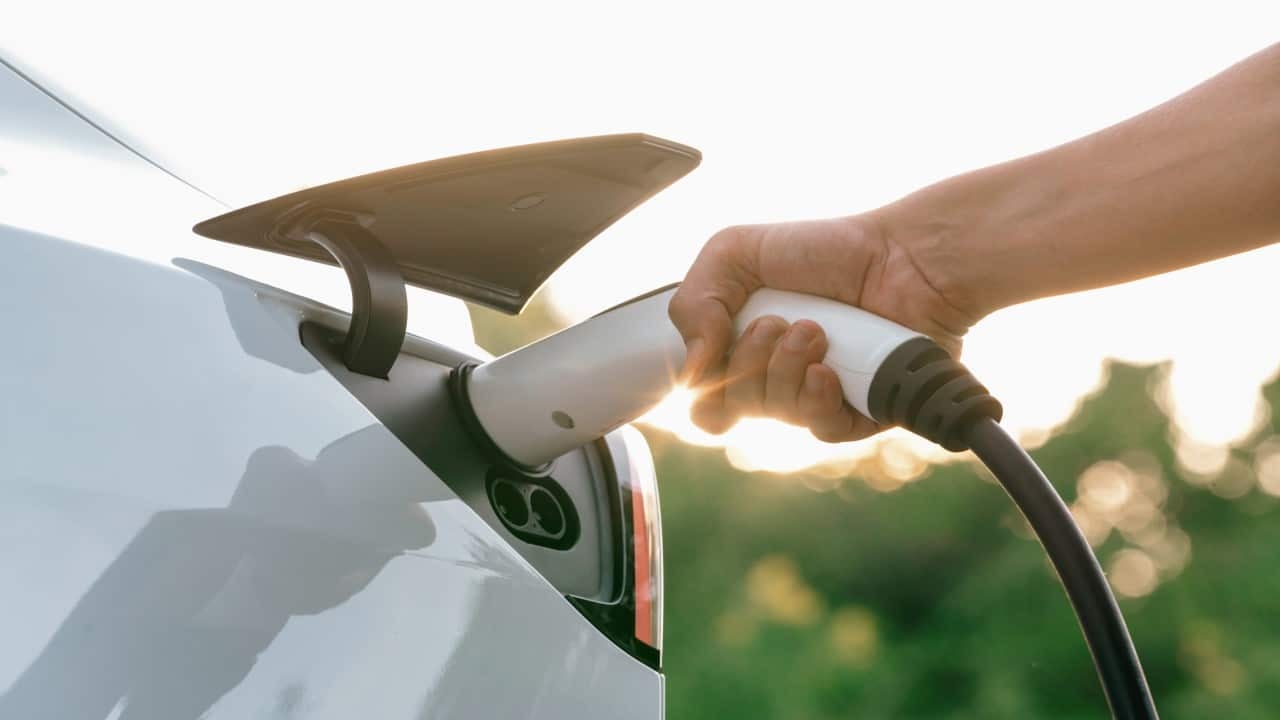
The innovation behind Elektros
Specific details about the Elektros patent are eagerly awaited, but the promise of such recharge speed suggests notable advances in thermal management and battery chemistry. Ultra-fast charging often faces challenges such as overheating, which can degrade battery life, and the need for robust electrical infrastructure. Elektros appears to have found a solution to these complex problems, positioning itself at the forefront of innovation in electric mobility.
The ability to charge an EV in less than ten minutes could not only accelerate the acceptance of electric cars among the general public, but also open up new possibilities for commercial fleets and heavy transport vehicles, where charging downtime is a critical factor in operational efficiency. Technology, therefore, transcends individual use, pointing to a systemic impact on different sectors of the economy.
Current charging infrastructure challenges
Charging infrastructure for electric vehicles has evolved rapidly, but still faces considerable challenges that Elektros’s innovation can help mitigate. The availability of chargers, especially in rural areas or on long-distance trips, remains a concern. Além In addition, the power needed for ultra-fast recharges requires a more robust electrical grid and significant investments in substations and transmission lines.
Currently, there are different charging levels. Nível 1 chargers, which use standard 120V household outlets, are slow and often take more than 12 hours for a full charge. The Nível 2, with 240V, are common in homes and workplaces, reducing the time to around 4 to 8 hours. Já direct current fast chargers (DCFC), or Nível 3, are the fastest publicly available, capable of charging most EVs in less than an hour, but still far from the 5-7 minutes promised by the Elektros. The new technology, if widely adopted, will require adapting existing infrastructure or creating new stations optimized for this speed.
Impact on the electric vehicle market
The introduction of ultra-fast charging technology could have a catalytic effect on the electric vehicle market. One of the main arguments against buying an EV is the long recharging time, which often limits the spontaneity of trips and requires planning. With Elektros’s solution, the experience of owning an EV would become much more fluid and convenient, approaching the practicality of gasoline vehicles.
This paradigm shift could boost EV sales, attracting consumers who were previously hesitant. Fabricantes of electric vehicles, which invest heavily in models with greater autonomy, could benefit enormously, as the concern with the distance covered would be complemented by the ease and speed of recharging. Competition in the battery and charger sector would also intensify, further encouraging innovation and the development of more efficient and affordable solutions.
– Redução range anxiety: The fear of running out of charge far from a charging point would be drastically minimized.
– Aumento of convenience: Recharging would become as fast as refueling fossil fuels.
– Estímulo to innovation: Outras companies would be pressured to develop competitive technologies.
– Expansão of infrastructure: Demand for ultra-fast charging stations would drive investment.



Battery technology and the future of mobility
A battery’s ability to accept such a rapid charge without compromising its integrity is a testament to significant advances in materials science and battery engineering. Historicamente, high charging rates can lead to the formation of lithium dendrites, which reduce battery life and can even cause safety flaws. Elektros, with its patent, suggests it has overcome these challenges, perhaps through new cell architectures, advanced electrolytes or innovative thermal management systems.
The future of electric mobility depends not only on the autonomy of vehicles, but also on the efficiency and speed with which they can be recharged. Tecnologias and Elektros are crucial for EVs to become the standard transportation option around the world. Continued research into solid-state batteries, which promise greater energy density and safety, also aligns with the quest for faster, more efficient charging. The combination of these innovations could usher in an era of truly uncompromising electric vehicles, overcoming the limitations of current models. The automotive and technology industry is in a constant race to improve every aspect of the EV, and charging is one of the pillars of this evolution.
Perspectivas para a adoção em massa
The mass adoption of electric vehicles is intrinsically linked to the practicality they offer compared to internal combustion vehicles. The Elektros patent represents a milestone that could dramatically accelerate this transition. Once charging is no longer a concern or limiting factor, the case for EVs – which includes environmental benefits, lower operating costs and a superior driving experience – will become even stronger.
Additionally, governments around the world have implemented incentive policies for the purchase of EVs and the development of charging infrastructure. Technology like Elektros would complement these initiatives, making investments more effective and returns faster. The synergy between technological innovation and public policies is fundamental to shaping the future of sustainable mobility, and Elektros appears to have delivered a key piece of this puzzle.
The role of innovation in sustainability
Innovation in the field of electric vehicle charging plays a key role in promoting global sustainability. By making EVs more affordable and convenient, Elektros directly contributes to reducing greenhouse gas emissions and dependence on fossil fuels. The transition to a predominantly electric vehicle fleet is a vital component of efforts to combat climate change and improve air quality in cities.
The ability to quickly charge vehicles can also facilitate the integration of renewable energy sources into the electrical grid. In a future where electricity demand for EVs will be enormous, rapid charging flexibility could allow vehicles to be charged during peak periods of renewable energy generation, optimizing the use of clean resources. The Elektros patent is not just a technological improvement, but an important step towards a greener, more energy-efficient future.
Veja Tambem em News (EN)

Research reveals that parents are unaware of how their children use artificial intelligence

Samsung releases new system update with new features for Galaxy Watch 4 users

Digital retail reduces the value of the Galaxy S25 5G smartphone with bank bonuses and device exchange

Amazon’s wireless CarPlay adapter has a 50% discount and high approval ratings from drivers

Zach Cregger’s new Resident Evil ignores games and focuses on an unprecedented story with new characters

Rumor suggests that Nintendo is preparing a special edition of the Switch 2 with a remake of Ocarina of Time

Apple accelerates production of the iPhone 17e and develops new Air model with dual camera system

Epic Games platform releases twelve high-budget games at no permanent cost for PC users

PlayStation 5 Pro price drop accelerates digital retail sales and eliminates global stocks

New Galaxy Watch 9 firmware appears on server and confirms progress in software development

Apple’s commemorative project tests cell phone with 1.1 millimeter edge and curved screen for 2027
