
Fans demand that Sony rescue classic PlayStation 2 franchises forgotten by developers


The global community of gamers began a strong mobilization to request the return of iconic franchises that marked the generation of sixth generation consoles. The movement is gaining momentum on forums and discussion networks, where users highlight the prolonged absence of intellectual properties that defined the early 2000s. The main demand involves the rescue of three-dimensional platform titles and action games that are archived by major producers.
The video game industry’s transition to massive budget productions has drastically changed the release catalog of the market’s main developers. Estúdios who previously released multiple colorful mascot titles per generation now dedicate nearly decade-long development cycles to delivering cinematic narratives with a realistic tone. Essa change of focus left a vacuum in the market for more direct experiences focused purely on jumping and exploration mechanics.
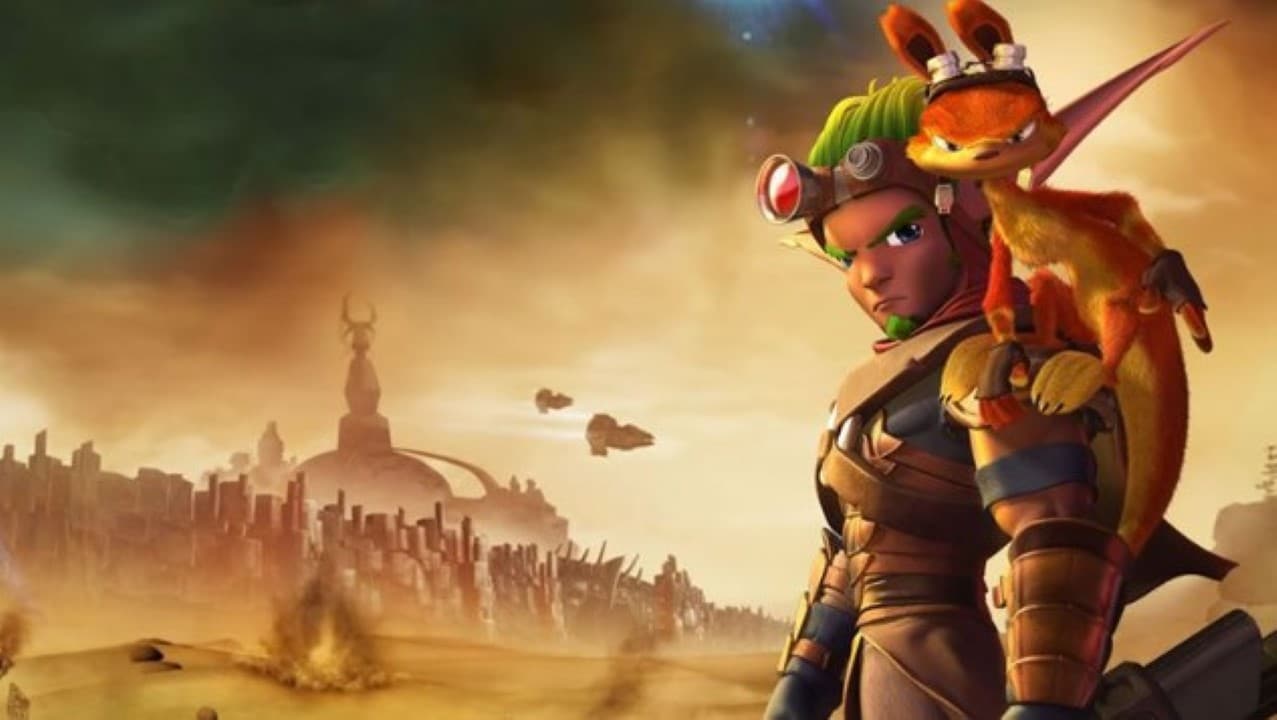
The appeal from consumers is specifically directed at companies that own these trademarks, asking for alternatives that range from high definition remasters to native ports for computers. The absence of official means to access these works on modern hardware fuels the debate about the accessibility of classic interactive entertainment. Enthusiasts argue that the abandonment of these series represents a historic loss for the digital medium.
Change in commercial strategy of large producers
The electronic entertainment market underwent a profound restructuring of its business model during the transition to high definition, prioritizing projects with photorealistic visual appeal and complex narratives. Publicly traded companies identified that games with adult themes and production values comparable to those of the film industry generated safer and more consistent financial returns. Esse strategic direction forced internal studios to abandon their roots in creating three-dimensional platform games, reallocating human and financial resources to the development of new intellectual properties that would adapt to this new standard of modern consumer demands.
As a direct consequence of this commercial evolution, characters that previously graced console boxes and served as brand ambassadors were gradually removed from circulation. Programming and design teams, once specialized in creating cartoonish worlds and precise jumping mechanics, needed to adapt their skills to work with motion capture, extensive scripts, and realistic physics-based combat systems. The standardization of big-budget releases has created a scenario where genre diversity among exclusive titles has significantly diminished, focusing efforts on third-person action adventures with elements of survival or open-world exploration.
The distancing of Naughty Dog from its origins
The trajectory of Naughty Dog perfectly illustrates the metamorphosis of development studios over the last two decades. The developer, which achieved global notoriety creating charismatic mascots and vibrant platform games, irreversibly altered its creative course by introducing franchises focused on dense narratives and survival. The decision to focus on cinematic experiences resulted in the definitive shelving of the series Jak and Daxter, whose rights remain untouched in the company’s coffers.
The studio’s directors have publicly stated that the team’s current structure and proprietary technology developed internally no longer align with the cartoonish aesthetic of their previous work. The exclusive focus on capturing realistic human emotions and building post-apocalyptic worlds or historical adventures consumes all of the developer’s productive capacity. As a result, the responsibility for keeping the legacy of its classic characters alive fell on remastered collections released sporadically by third-party studios, without the addition of new content.
Sucker Punch Productions’s creative transition
Sucker Punch Productions followed a similar path by moving away from its older intellectual properties to explore new commercial horizons. The company built its reputation with the stealth and platform-focused Sly Cooper series, before transitioning into the open-world superhero genre with the Infamous franchise. Atualmente, the studio dedicates its workforce entirely to creating historical epics set in the feudal Japão, achieving record sales and critical acclaim.
The producer has issued official statements confirming that there are no ongoing projects related to its classic characters, nor plans to license these brands to other development teams. The technical justification points out that the modern graphics engines used by the studio were built specifically to render realistic landscapes and sword combat, making it unfeasible to adapt these tools to stylized platform games.
This definitive stance ended speculation about possible sequels, leaving admirers of these series dependent on old hardware to access the original games. The lack of compatibility updates for current generation systems exacerbates the situation, turning original physical discs into highly sought after collectors’ items on the electronics resale market.
The exception in the platform game market
In contrast to the general industry trend, Insomniac Games has kept the Ratchet & Clank franchise in continuous activity across multiple generations of hardware. The developer has managed to balance creating immensely commercially successful superhero games with regularly producing new adventures for its space mascot duo. The application of cutting-edge technologies, such as ray tracing and instant loading via solid state storage, has demonstrated that three-dimensional platform games can serve as efficient technological showcases for new consoles, contradicting the argument that the genre does not conform to the standards of modern super-productions.
Technical challenges of digital preservation
The absence of official re-releases raises critical questions about preserving the historical heritage of digital entertainment. The PlayStation 2 utilized a highly complex and proprietary processing architecture based on the component known as Emotion Engine. Essa hardware specificity makes emulation via software a formidable challenge, requiring great computational power and meticulous reverse engineering to replicate the operation of the original games on modern machines.
Copyright-holding companies often run into legal and technical hurdles when trying to port these old codes. Contratos soundtrack licensing, use of third-party software libraries that no longer exist, and loss of original source code are common barriers that make creating remasters financially unfeasible. In many cases, the cost of recreating the game from scratch exceeds the profit estimate based on the niche of interested consumers.
Faced with corporate inertia, independent groups of programmers take on the task of decompiling the original files to create unofficial ports for computers. Esses reverse engineering projects require years of volunteer work to translate ancient processor instructions into contemporary programming languages. The result allows games to run natively on current operating systems, with support for high resolutions and unlocked frame rates.
However, these initiatives operate in a sensitive legal area, subject to termination notices for intellectual property infringement. The tension between the community’s desire to preserve access to interactive art and the right of corporations to control the distribution of their products creates an uncertain scenario for the future of these classic works.
Financial potential of shipping for computers
Experts in the financial sector point out that the adaptation of classic titles to the architecture of personal computers represents an underutilized revenue opportunity for large publishers. The expansion of the PC gaming market has demonstrated that there is substantial pent-up demand for intellectual properties that were previously exclusive to desktop consoles. Launching native versions on popular digital stores eliminates manufacturing and physical distribution costs, maximizing the profit margin on products whose original development costs have already been amortized decades ago.
Outsourcing these projects to studios specializing in software conversions appears to be the most pragmatic solution for corporations. Empresas, focused exclusively on updating legacy code, has the tools and expertise needed to modernize control schemes, implement support for ultrawide monitors, and integrate cloud save capabilities. Essa approach allows publishers to monetize their dormant catalogs without diverting attention from their core teams, who remain focused on producing big-budget releases.
The Future of Inactive Intellectual Properties
The fate of classic franchises remains tied to corporate decisions about resource allocation and financial risk projections in an increasingly competitive and costly market. The viability of an official return depends on companies’ ability to identify sustainable business models for medium-sized intellectual properties, which do not require budgets in the hundreds of millions of dollars, but which also do not generate the same volume of revenue as super productions. Outsourcing the development of remakes or the creation of internal divisions dedicated exclusively to curating and updating the legacy catalog appear as structural alternatives to meet consumer demand without compromising the schedule of main projects. Enquanto the industry evaluates the balance between technological innovation and the preservation of its own history, the gaming community keeps up the pressure through digital campaigns and continuous support for reverse engineering projects, ensuring that the legacy of three-dimensional platform games is not erased by the obsolescence of the original hardware. Resolving this impasse will not only define access to specific works, but will also set precedents for how the interactive medium will treat its cultural heritage in the coming decades.



