
Honda manufacturer anticipates bookings of light electric vehicle in Japan with focus on urban mobility


Japanese manufacturer Honda confirmed the opening of the reservation period for its latest light electric vehicle model, classified in the kei car category, aimed exclusively at the domestic market. The official schedule establishes the start of orders for the month of August, with the first deliveries scheduled for the autumn season in the northern hemisphere. The automaker seeks to consolidate its presence in the zero-emission segment with a focus on urban density and energy efficiency.
The development of this compact car reflects a strategic transition of the Asian automotive industry towards sustainable mobility. Kei cars represent a majority of annual registrations in the Japanese archipelago, due to their small size and suitability for the narrow roads of large cities. The electrification of this fleet is considered a fundamental step towards modernizing daily transport and adapting it to new environmental standards.
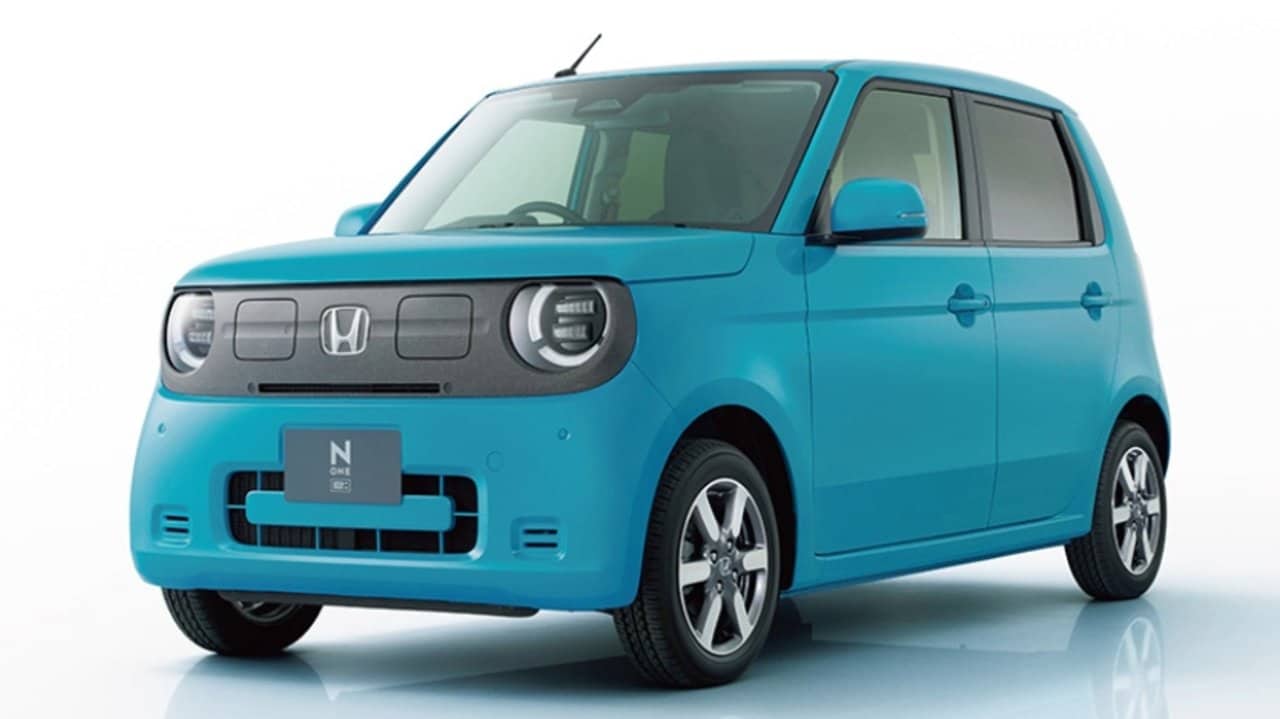
The introduction of the new electric model meets a growing demand from consumers looking for efficient alternatives for short journeys. The design combines the historic practicality of minicars with battery-powered propulsion systems, eliminating dependence on fossil fuels and reducing operating costs for owners in the long term.
Transformation of the Asian minicar segment
The kei vehicle category has strict regulations regarding body size and engine capacity, characteristics that guarantee tax benefits and ease of parking. Adapting these rules to accommodate electric batteries required heavy investments in platform engineering by automakers.
The Japanese market absorbs millions of units of these vehicles annually, making the segment a thermometer for the acceptance of new technologies. The gradual replacement of internal combustion engines with electric drives changes production dynamics and the local supply chain irreversibly.
Honda projects that acceptance of the new kei EV will be driven by public familiarity with the car’s shape. The technological transition occurs without the driver having to give up the optimized internal space, a hallmark of functionality-oriented Japanese automotive design.
Experts in the automotive sector point out that the electrification of kei cars solves the chronic problem of noise and air pollution in urban centers. The silent operation and lack of exhaust transform the driving experience on congested roads in cities like Tóquio and Osaka.
Corporate strategy for sustainable mobility
Honda’s global management has established strict guidelines for the complete elimination of carbon emissions across its product line in the coming decades. The launch of the light electric vehicle in Japão serves as a central pillar of this policy, allowing the company to test innovations in high-density batteries and compact motors in a highly controlled and demanding market environment. The automaker has directed substantial resources to researching energy accumulators that offer quick recharging and prolonged durability, critical factors for the commercial viability of urban cars for daily use.
In addition to developing the automobile itself, the corporation is working on structuring an ecosystem of added services, which includes partnerships for battery recycling and the integration of vehicles with smart electrical grids. The company’s vision goes beyond simple manufacturing, encompassing the management of the product’s complete life cycle. Essa systemic approach aims to mitigate the environmental impacts of mining lithium and other minerals, ensuring that the ecological footprint of kei EV is minimized from the assembly line to the final disposal of industrial components.
Technical specifications and functional design
The engineers responsible for the project prioritized maximizing space in the cabin, positioning the battery pack on the floor of the vehicle. Essa architecture reduces the center of gravity, improving directional stability and occupant safety during evasive maneuvers in urban traffic.
The model’s estimated autonomy perfectly meets the usage pattern of the average Japanese driver, who makes short daily journeys between home and work. The braking energy regeneration system was calibrated to optimize range in stop-and-go traffic in metropolises.
The instrument panel incorporates digital interfaces aimed at connectivity, allowing remote monitoring of the charge level and activation of the air conditioning via a smartphone app. Integration with virtual assistants makes it easier to navigate and find available charging points on the driver’s route.
Expansion of public charging infrastructure
The feasibility of mass adoption of compact electric vehicles directly depends on the capillarity of the charging network. The Japanese government, together with private consortiums, has accelerated the installation of fast charging terminals in convenience stores, supermarkets and public parking lots.
Honda actively participates in joint initiatives with other manufacturers to standardize charger plugs and communication protocols. Essa technical cooperation eliminates barriers for users and ensures that any kei EV owner can easily replenish the battery throughout the country.
Incentive and cost reduction policies
Ministério of Economia, Comércio and Indústria of Japão maintain direct subsidy programs for buyers of zero-emission vehicles. Esses financial contributions significantly reduce the price difference between the new kei EV and traditional gasoline-powered models, making the technology accessible to the middle class.
Local authorities also offer vehicle ownership tax exemptions and reduced toll rates for electric cars. The combination of low electrical energy costs compared to liquid fuels results in substantial savings over the life of the car.
Contribution to national climate goals
The replacement of the circulating fleet with light electric models is in line with the international commitments made by Japão to drastically reduce greenhouse gas emissions. Decarbonizing the land transport sector is a mandatory step for the country to achieve climate neutrality, requiring continued collaboration between the automotive industry and environmental regulatory agencies.
Competitive positioning on the international scene
Mastering electrification technology on ultra-compact platforms gives Honda a considerable strategic advantage over global competitors. Although kei EV is a product designed specifically for the peculiarities of Japanese legislation and geography, the engineering applied to its motors, inverters and thermal management systems has universal application. The experience accumulated in the large-scale production of miniaturized components allows the automaker to export this knowledge for the development of urban vehicles destined for the markets of Europa and emerging economies in Ásia. The ability to deliver energy efficiency in a package of restricted dimensions responds to a global trend towards population density and the search for mobility solutions that take up less road space. Dessa form, the testing laboratory that the Japão represents strengthens the brand’s international portfolio, preparing the ground for future product lines that will require the same level of technological sophistication and constructive rationality on different continents.



