
Xiaomi launches Redmi 15A 5G with 6,300 mAh battery and 6.9-inch screen in the Indian market
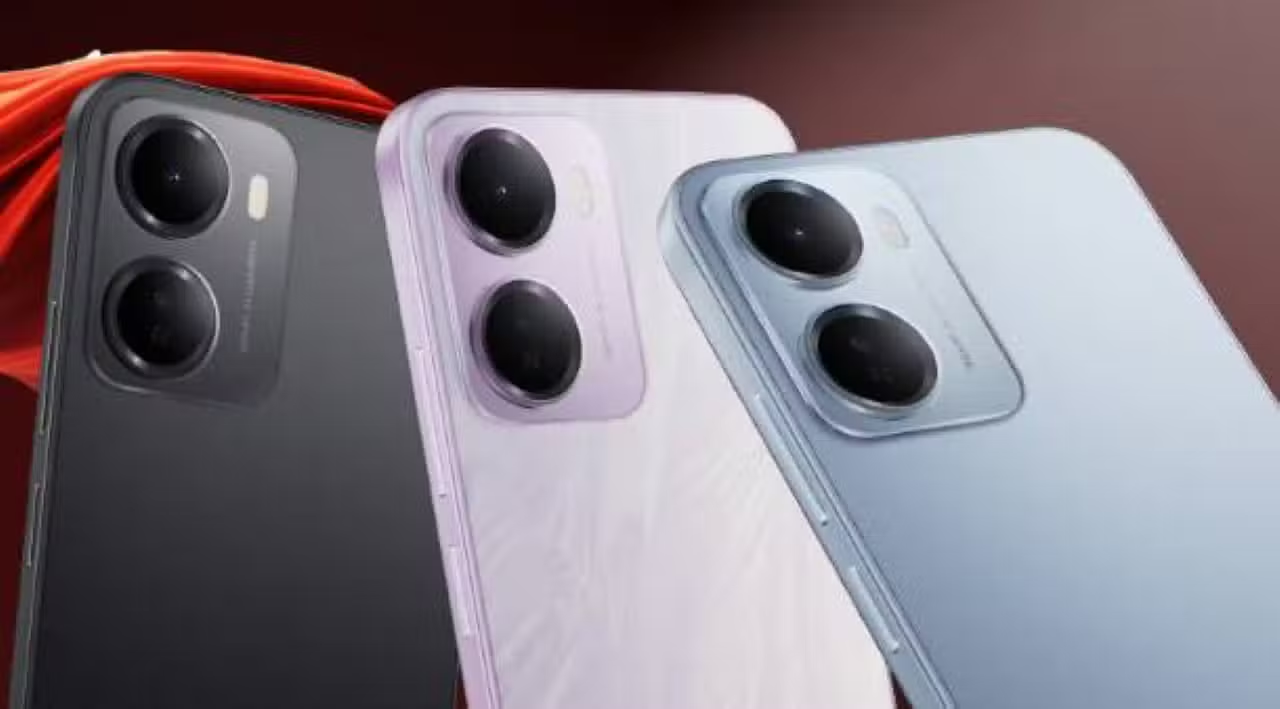
Xiaomi made official this Friday, March 27, 2026, the launch of the Redmi 15A 5G aimed at the entry-level segment in the Indian market. The device arrives with the proposal to offer fifth generation connectivity and extended energy autonomy for consumers looking for cost-benefit. The presentation took place on Nova Délhi at 12:40 pm local time, highlighting the brand’s commitment to democratizing advanced technologies into affordable devices.
The new smartphone operates with the HyperOS 3.0 system, which is based on the Android 16 architecture, ensuring a modern and optimized interface. The Chinese manufacturer assured that the model will receive four years of Android operating system updates and six years of security fixes. Esta strategy aims to increase the longevity of the product in the hands of the consumer, combating planned obsolescence common in low-cost devices.
- Initial availability focused on the Índia market with planned expansion.
- Customized HyperOS 3.0 interface with a focus on artificial intelligence.
- Guaranteed software technical support for an extended period of six years.
- Structure designed to resist dust and splashes of water.
Technical details and energy capacity of the device
Power autonomy is the main sales pillar of the Redmi 15A 5G, which is equipped with a robust 6,300 mAh battery. Esse component was designed to withstand more than two days of moderate use without needing to be connected to a power outlet. The device supports 15W charging, which ensures stable energy replenishment to maintain the long-term health of the lithium-ion cells.
In addition to the internal capacity, the model introduces support for 7.5W wired reverse charging, allowing the cell phone to function as a portable charger. Essa functionality is useful for powering smaller accessories, like wireless headphones or smart watches, in emergency situations. Internal engineering prioritized thermal efficiency so that the device maintains performance even during long charge and discharge cycles.
Display specifications and immersive visual experience
The front panel of the Redmi 15A 5G features a generous 6.9-inch screen, one of the largest in the entry-level category currently. The display supports a refresh rate of up to 120Hz, providing fluid system navigation and video content. With a brightness of 800 nits, viewing in direct sunlight is easier, reducing reflections that could disrupt the user experience outdoors.
Another innovation included in the panel is the Wet Touch 2.0 technology, which allows precise use of the touch screen even with wet hands or in light rain. Essa feature complements the IP52 certification, which protects the hardware against the ingress of dust particles and water droplets. The design prioritizes reduced edges to maximize frontal use, delivering an immersive experience for social media consumption and streaming.
Screen resolution has been adjusted to balance visual clarity with power savings, essential to maintaining high-capacity battery performance. The Xiaomi has implemented hardware-integrated blue light filters to reduce eye fatigue during nighttime or extended use. Esse Care for visual comfort is a differentiator for students and workers who use cell phones as their main tool for accessing information.
The display technology also features dynamic frequency adjustment, which switches between different refresh rates depending on the content displayed on the display. Quando the user views a static image, the system reduces the Hertz to save power, instantly rising to maximum during games or fast scrolling. Esse intelligent management is coordinated by HyperOS 3.0, which monitors user behavior in real time.



Structural strength and protection certifications
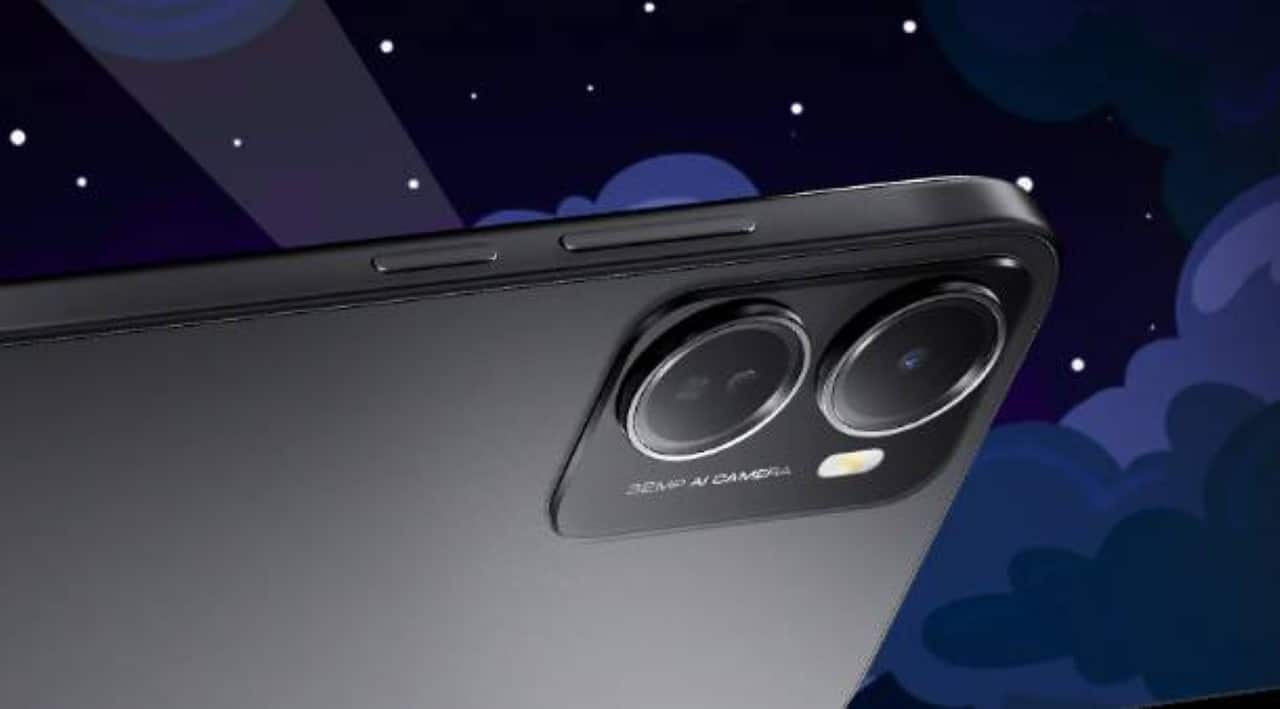
The Redmi 15A 5G was built with materials that provide the durability necessary for intense daily use in various weather conditions. The IP52 certification certifies that the inside of the device is protected against the accumulation of dirt that is harmful to electronic components. Embora is not a submersible device, it withstands common incidents such as accidental liquid splashes or exposure to humid environments.
The chassis engineering uses reinforced polymers that help with heat dissipation and resistance against light impacts. The positioning of 5G antennas has been optimized to ensure a stable signal even in areas with fluctuating coverage, taking advantage of the expanding network infrastructure in Índia. Essa physical robustness is accompanied by an ergonomic design that facilitates handling, despite the large screen dimensions of almost seven inches.
Commitment to software and security updates
The decision to offer six years of security updates positions Xiaomi competitively against other global brands in the entry sector. The pre-installed Android 16 brings the latest privacy innovations, allowing the user to have strict control over application permissions and sensitive data. HyperOS 3.0 acts as an optimization layer that removes unnecessary background processes while maintaining responsiveness.
The four generational system updates ensure that the Redmi 15A 5G will have access to new features released by the end of this decade. Isso means that buyers of the model in 2026 will still have an updated and safe system in 2030, which increases the resale value of the product. Cybersecurity is reinforced by regular patches that protect the user ecosystem against emerging vulnerabilities in the digital landscape.
Market positioning and pricing strategy
The launch at Índia serves as a barometer for the model’s acceptance in other emerging markets that demand large batteries. Xiaomi focuses on an audience that uses smartphones for logistical work, deliveries and long-term entertainment consumption. By keeping charging at 15W, the company is able to reduce production costs and offer a more aggressive final price without sacrificing battery safety.
The Redmi 15A 5G fills an important gap for consumers who do not want to invest in premium devices, but need high connection speeds. The inclusion of reverse charging is an attempt to attract young audiences who own multiple electronic devices and value versatility. With this strategy, the brand intends to consolidate its leadership in sales volume in populated and diversified markets.
Integration with the Xiaomi Home ecosystem is also a highlight, allowing the smartphone to control smart devices natively. HyperOS 3.0 makes it easy to connect to televisions, lamps and sensors, turning your phone into an accessible home automation hub. Essa improved connectivity reflects the manufacturer’s vision of creating an integrated network of products that talk to each other with low latency.
Veja Tambem em News (EN)

Research reveals that parents are unaware of how their children use artificial intelligence

Samsung releases new system update with new features for Galaxy Watch 4 users

Digital retail reduces the value of the Galaxy S25 5G smartphone with bank bonuses and device exchange

Amazon’s wireless CarPlay adapter has a 50% discount and high approval ratings from drivers

Zach Cregger’s new Resident Evil ignores games and focuses on an unprecedented story with new characters

Rumor suggests that Nintendo is preparing a special edition of the Switch 2 with a remake of Ocarina of Time

Apple accelerates production of the iPhone 17e and develops new Air model with dual camera system

Epic Games platform releases twelve high-budget games at no permanent cost for PC users

PlayStation 5 Pro price drop accelerates digital retail sales and eliminates global stocks

New Galaxy Watch 9 firmware appears on server and confirms progress in software development

Apple’s commemorative project tests cell phone with 1.1 millimeter edge and curved screen for 2027
