
BMW makes official high-performance station wagon to compete in the Nürburgring marathon in the SPX class
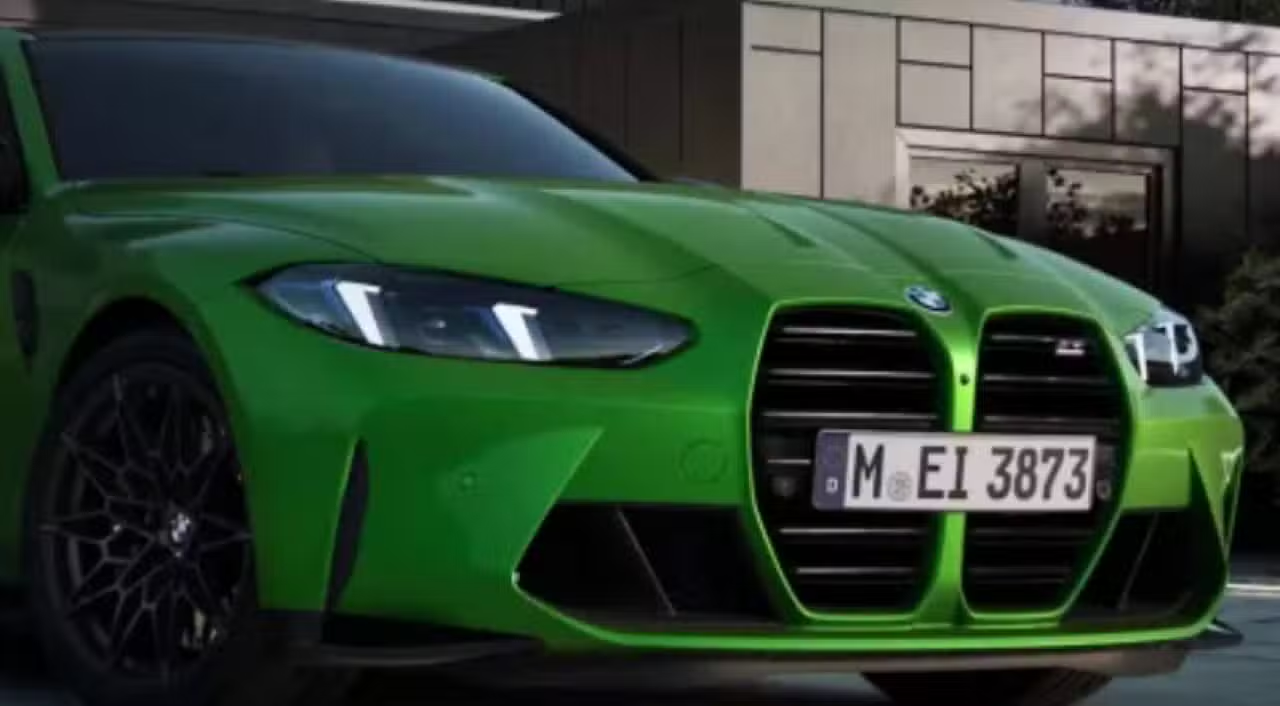
The German automaker’s sports vehicle division confirmed the entry of an unusual model for the most challenging long-distance race on the world calendar. The project transforms a family station wagon into a homologated competition car, prepared to face the extreme demands of the Nordschleife track on May 16th and 17th, 2026. The initiative combines the engagement of social networks with high-level track engineering, resulting in a machine that breaks the traditional paradigms of motor sport.
The development of the vehicle took place in an accelerated cycle of eight months, requiring total dedication from the brand’s specialized engineers. The technical team had to adapt the elongated body to withstand the severe elevation variations and high-speed curves characteristic of the German circuit, known worldwide for its complexity and climatic unpredictability. The process required the integration of aerodynamic and mechanical systems derived directly from the manufacturer’s GT3 program.
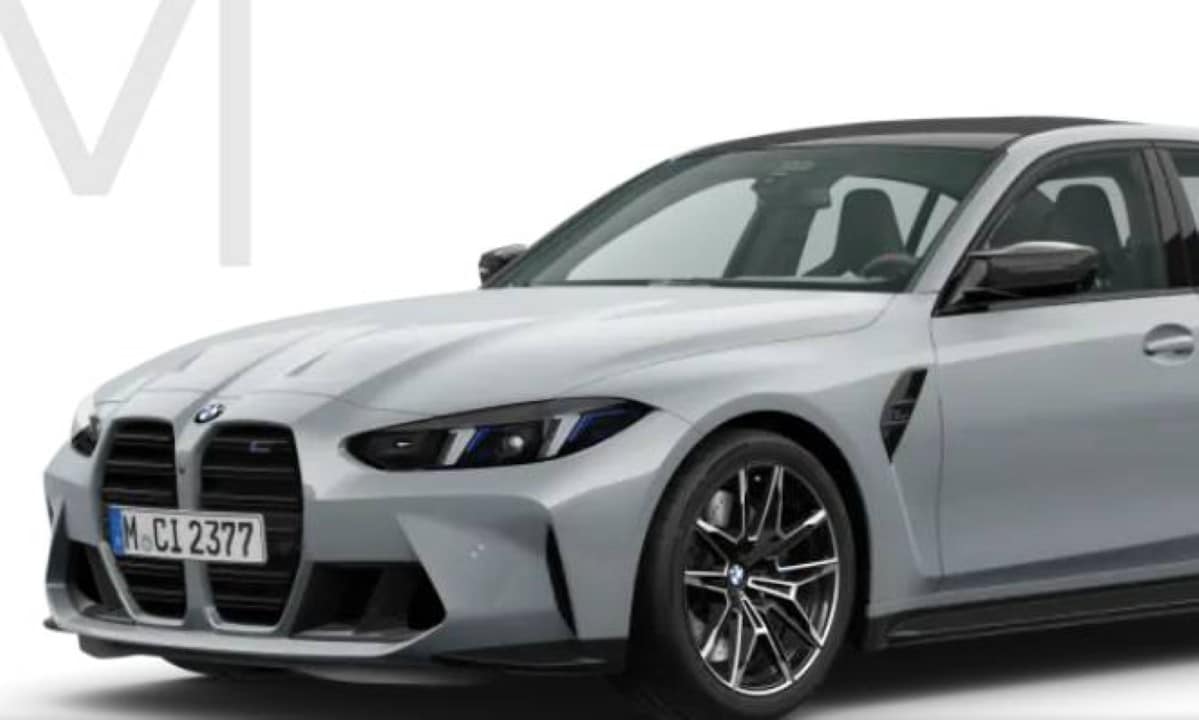
To achieve the safety and performance standard required in long-term international events, profound structural modifications were implemented in the original design. Key changes include:
– The structural base shares the same technical foundations as the brand’s reference GT3 model, ensuring rigidity and safety.
– The overall length of the vehicle has been increased by 200 millimeters compared to the standard street version.
– The height and aerodynamic profile have grown by 32 millimeters to accommodate the fixed rear wing and air extractors.
– The mechanical package maintains the exact power and torque figures of the original racing version, without loss of performance.
Digital origin and audience engagement
The motorsport program was born from an atypical interaction between the manufacturer and its global fan base on the internet. The previous year, the digital marketing team published computer-generated images of a track-facing station wagon as a traditional Dia prank on Mentira. The initial corporate intention did not foresee the actual manufacturing of the vehicle, it was just an action to move the company’s digital platforms and test public reception in relation to non-standard designs.
The post generated an immediate and massive response, accumulating more than 1.6 million views and reaching more than a million unique users in just a few days. The enthusiasm shown by motorsport enthusiasts and the specialized press led the board to re-evaluate the concept. Reconhecendo the market potential and the opportunity to strengthen brand loyalty, the executives authorized the transformation of the marketing piece into an official sports program, maintaining the connection with the public even in the design of the test camouflage, which incorporated visual suggestions sent by followers.
Development of structural aerodynamics
The engineering philosophy applied to the new model prioritized ideal weight distribution and refined aerodynamic management to counteract the disadvantages inherent in the silhouette of a station wagon. Diferente of traditional racing coupes, the elongated roofline significantly alters the dynamics of airflow towards the rear wing. To address this physical issue, aerodynamics experts have designed a rear diffuser and wing configuration that generates sufficient downforce without causing excessive drag on the circuit’s long straights. The rear section of the chassis has received substantial structural reinforcements to cope with increased rear axle load, improving traction on corner exits and stabilizing the vehicle in heavy braking zones. The suspension geometry has also undergone a complete redesign to withstand the intense lateral G-forces experienced at the Nürburgring, while torsional rigidity has been improved by a roll cage welded directly to the suspension mounting points. Essa integration ensures the structural integrity required for the 24-hour marathon and maintains the steering precision required by professional racers.
Track operation and official drivers
Logistical execution and track management during the German race will be the responsibility of Schubert Motorsport. The team has extensive experience in endurance racing and will take control of the strategy, pit stops and technical adjustments throughout the competition.
To extract the maximum potential from the new equipment, the manufacturer selected a trio of official and experienced factory pilots. The confirmed line-up includes German Jens Klingmann, Belgian Ugo from Wilde and North American Conor from Filippi.



The trio’s main focus will be maintaining consistent lap times during the night period of the race. Driving precision is essential for the equipment’s survival on a narrow track without artificial lighting for a large part of its length.
Technical framework in the competition
The station wagon, due to its unique homologation status and unconventional body shape, will compete in the SPX category. Esta class is reserved for special vehicles and prototypes that do not fall within the standardized technical regulations of the other touring divisions.
Positioning in this specific category means that the car will not directly compete for overall victory against machines in the SP9 class. The strategy allows the engineering team to use the race as a high-speed laboratory, testing new solutions under maximum stress. Preparation includes mandatory participation in the Campeonato NLS and official qualifying races before the main event.
Strategic partnership for tire supply
Meeting the specific mechanical demands of this race car required the choice of Yokohama Tire as the official technical partner. The Japanese manufacturer already collaborates with the German manufacturer in several world tourism championships.
For this first-of-its-kind project, bespoke rubber compounds were developed. The creation of these tires involved rigorous laboratory analyzes and practical tests on a closed track to ensure the necessary durability.
The main objective of the tire-focused development was to accommodate the vehicle’s distinct center of gravity. A station wagon’s weight transfer differs drastically from a traditional race car, requiring reinforced sidewalls.
The target established by the companies guarantees uniform wear and consistent grip levels over the 25 kilometers of each lap. Isso allows riders to maintain a safe pace regardless of asphalt temperature variations throughout the day and night.
Six-cylinder engine performance
The vehicle’s mechanical package uses an in-line six-cylinder engine, a configuration that has formed the basis of the sports division’s identity for decades. Para this specific resistance application, the propellant underwent optimization processes focused on guaranteeing absolute reliability during 24 hours of continuous operation at high speeds. The engine team focused its efforts on refining the cooling systems and mapping the electronic injection to deal with the thermal fluctuations and altitude changes characteristic of the Eifel region. By integrating advanced management software and internal components directly from race-proven GT3 technology, the technical department ensured the maximum power required for the fast sections. The torque curve has been adjusted to facilitate navigation through the technical sections of the circuit without destabilizing the rear axle during reacceleration, ensuring a linear and predictable power delivery for the drivers.
The automaker’s commercial projection
The introduction of the racing station wagon is already considered by the specialized media as one of the technical milestones of the motorsport season. The engineering department’s ability to conceptualize, develop and homologate a GT3 class vehicle from a familiar architecture in less than a year highlights the agility of the modern automotive industry. Além from the tracks, the model’s presence in high-level competitions validates engineering decisions and drives commercial interest in street versions, demonstrating the platform’s exceptional durability in extreme conditions of use.
Veja Tambem em News (EN)

Research reveals that parents are unaware of how their children use artificial intelligence

Samsung releases new system update with new features for Galaxy Watch 4 users

Digital retail reduces the value of the Galaxy S25 5G smartphone with bank bonuses and device exchange

Amazon’s wireless CarPlay adapter has a 50% discount and high approval ratings from drivers

Zach Cregger’s new Resident Evil ignores games and focuses on an unprecedented story with new characters

Rumor suggests that Nintendo is preparing a special edition of the Switch 2 with a remake of Ocarina of Time

Apple accelerates production of the iPhone 17e and develops new Air model with dual camera system

Epic Games platform releases twelve high-budget games at no permanent cost for PC users

PlayStation 5 Pro price drop accelerates digital retail sales and eliminates global stocks

New Galaxy Watch 9 firmware appears on server and confirms progress in software development

Apple’s commemorative project tests cell phone with 1.1 millimeter edge and curved screen for 2027
